When you work in a utilities facility or a processing plant, lighting is never just about visibility. It is about keeping people alive. One faulty fitting in a volatile atmosphere, one spark from a poorly rated luminaire, and the consequences can be catastrophic. That is why more and more facility managers and safety officers across Australia are turning to MineGlow for industrial lighting that is built with compliance and worker protection at its core.
MineGlow has carved out a reputation as a trusted name in high-risk environments, and with good reason. Their product range is engineered specifically for the kinds of places where ordinary lighting simply cannot be trusted.
Why Standard Lighting Falls Short in Hazardous Environments
Most commercial lighting products are designed for offices, warehouses, or retail spaces. They are not tested or rated for environments where flammable gases, combustible dust, or volatile chemical vapours are present. In utilities and processing plants, those conditions are common and sometimes unavoidable.
Using the wrong luminaire in these settings is not just a compliance issue. It is a genuine safety risk. Electrical faults, heat buildup, and even static discharge can ignite an explosive atmosphere in seconds. That is why facilities require lighting that has been specifically designed, tested, and certified to perform safely in those conditions.
This is exactly where purpose-built industrial lighting solutions make a real difference.
What Makes MineGlow Hazardous Area Lighting Solutions Stand Out
The core of MineGlow’s product offering is built around one idea: no shortcuts when lives are on the line. Their MineGlow hazardous area lighting solutions are engineered to meet the strict Australian and international standards that apply to Zone 1 and Zone 2 classified areas, including oil refineries, gas processing plants, chemical facilities, and utilities infrastructure.
These are not off-the-shelf products with a compliance sticker added at the end. Each luminaire is purpose-designed to contain any internal ignition and prevent the surrounding atmosphere from being ignited. The enclosures are robust, the seals are tested, and the certifications are legitimate.
What this means for facility managers is simple: when you install one of these fittings, you can be confident it belongs in that environment.
The Role of Explosion Proof Technology in Processing Plants
If you have spent any time working in or around processing plants, you will know how seriously the industry takes explosion-proof certification. It is not a marketing term. It refers to a specific design standard where a luminaire’s enclosure can withstand an internal explosion without allowing ignition to escape to the surrounding atmosphere.
MineGlow explosion proof lighting products are built to exactly that standard. They are engineered for the harshest industrial environments, where moisture, corrosive agents, mechanical vibration, and extreme temperatures are all part of a normal working day.
The value of this kind of product goes beyond compliance. It gives workers confidence that the environment they are operating in has been thought through carefully. It reduces liability for facility operators. And it contributes to a safety culture where every component of the facility is held to the same high standard.
Smarter Energy Use Without Sacrificing Performance
One of the most common concerns facilities managers raise when upgrading their lighting infrastructure is energy cost. Processing plants and utilities facilities run continuously, and lighting is a significant contributor to their electricity bills. Older high-pressure sodium or metal halide fittings draw enormous amounts of power and require frequent maintenance due to lamp failures.
MineGlow LED lighting systems solve both of those problems. Modern LED technology delivers far greater lumens per watt compared to traditional light sources, which translates directly into lower running costs. At the same time, LEDs have significantly longer service lives, which means fewer replacements, less downtime, and reduced maintenance labour.
For facilities operating in hazardous areas, the maintenance angle is particularly important. Every time a technician needs to access a fitting in a classified zone, safety protocols must be followed and work permits may need to be issued. Reducing the frequency of those interventions is both a safety benefit and a cost saving.
Meeting the Demands of Australia’s Toughest Industries
Australia’s resources sector, utilities infrastructure, and processing industries operate in some of the most demanding conditions on the planet. Coastal facilities deal with salt air corrosion. Inland operations face extreme heat and dust. Remote sites require equipment that can go long periods without servicing.
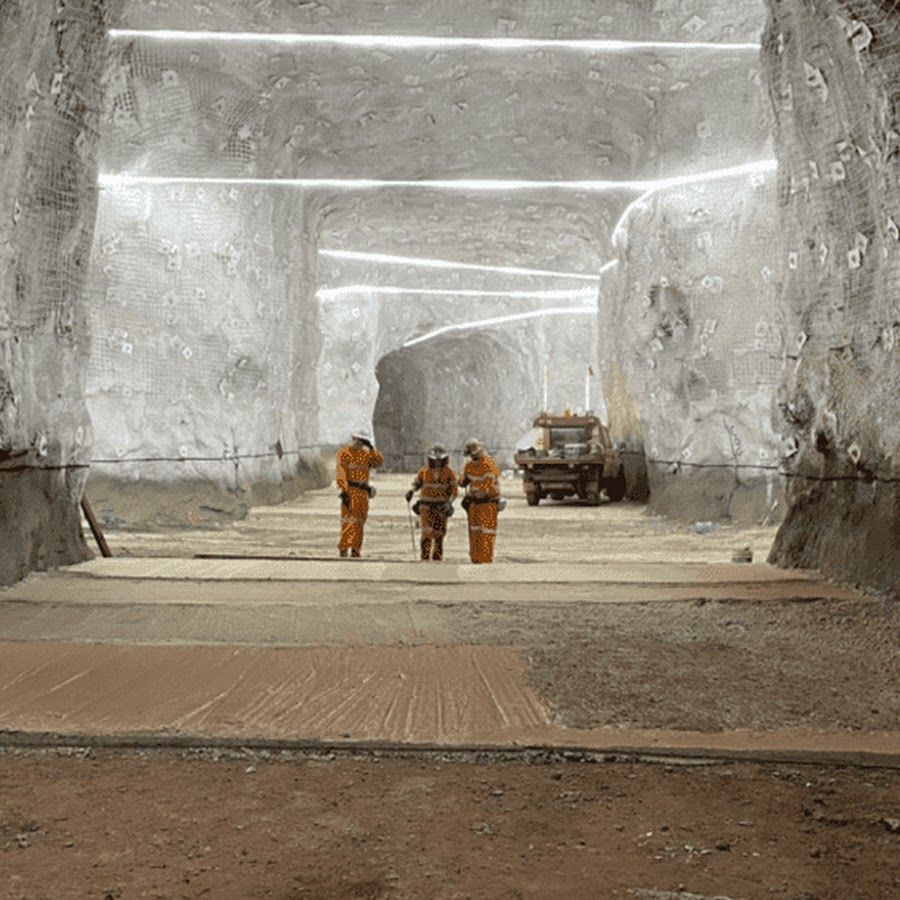
MineGlow lighting for mining and oil gas environments has been developed with all of these conditions in mind. Their products are not just technically compliant. They are practically durable. Sealed to IP ratings that protect against ingress of dust and water. Built with materials that resist corrosion and UV degradation. Designed to maintain performance across a wide temperature range.
This kind of real-world durability is what separates a lighting product that looks good in a brochure from one that actually performs reliably after three years in a coastal processing facility.
Compliance, Certification, and Peace of Mind
In regulated industries, documentation matters as much as performance. When a safety auditor walks through your facility, they are not just looking at whether lights are on. They are checking that every fitting in a classified zone carries the appropriate certification, that it has been installed in accordance with the manufacturer’s specifications, and that the installation records are in order.
MineGlow’s products come with the certifications and technical documentation that make that process straightforward. Their team understands the regulatory landscape in Australia and can provide the technical support needed to ensure installations meet the relevant standards.
That support matters. Choosing a supplier that understands the compliance requirements of your industry means fewer headaches at audit time and greater confidence that your facility is genuinely protected, not just on paper.
A Smarter Approach to Industrial Lighting Procurement
Procuring lighting for a hazardous facility is not like buying fittings for a commercial building. The wrong choice can have serious consequences. The right choice, on the other hand, delivers long-term reliability, lower maintenance costs, genuine compliance, and a safer working environment for everyone on site.
MineGlow takes that responsibility seriously. Their range is focused, their certifications are legitimate, and their understanding of the environments their products operate in is genuine. For facility managers who want to get this right, that combination of technical credibility and practical experience is genuinely valuable.
MineGlow: Lighting the Way to Safer Industrial Workplaces
There is something reassuring about working with a supplier that truly understands your environment. MineGlow is not trying to be everything to everyone. They have focused their expertise on the industries where lighting failures carry the greatest risk, and they have built a product range that reflects that focus.
Whether you are upgrading an aging lighting system, planning a new facility, or trying to bring an existing installation into compliance, MineGlow offers the products, certifications, and technical knowledge to help you get there. In industries where safety is non-negotiable, choosing a lighting partner with that level of commitment is not just a smart decision. It is the right one.
Frequently Asked Questions
1. What types of facilities are MineGlow’s lighting products designed for?
MineGlow specialises in lighting solutions for high-risk industrial environments, including mining operations, oil and gas processing plants, chemical facilities, and utilities infrastructure. Their products are specifically engineered and certified for use in hazardous classified zones where flammable gases, vapours, or combustible dust may be present.
2. What does explosion proof lighting actually mean, and why does it matter?
Explosion proof lighting refers to luminaires that are constructed with enclosures strong enough to contain any internal ignition, preventing it from escaping and igniting the surrounding atmosphere. In classified hazardous zones, this is a critical safety requirement, not just a feature. It matters because using non-compliant fittings in these environments creates a genuine risk of fire or explosion.
3. How do MineGlow LED lighting systems help reduce operational costs?
LED technology consumes significantly less energy than traditional high-pressure sodium or metal halide lamps, which reduces electricity costs across continuous operations. LEDs also last much longer, cutting down on replacement frequency and the associated maintenance labour. In hazardous areas, where every maintenance intervention requires strict safety protocols, fewer replacements translate directly into operational efficiency and reduced risk exposure.
4. How do I know if MineGlow products meet Australian compliance requirements?
MineGlow’s hazardous area products are designed and certified to meet the relevant Australian and international standards for classified zone installations. Their team can provide full technical documentation and certification details to support compliance audits and installation verification. It is always recommended to confirm specific certification requirements with your safety team or compliance officer before procurement.