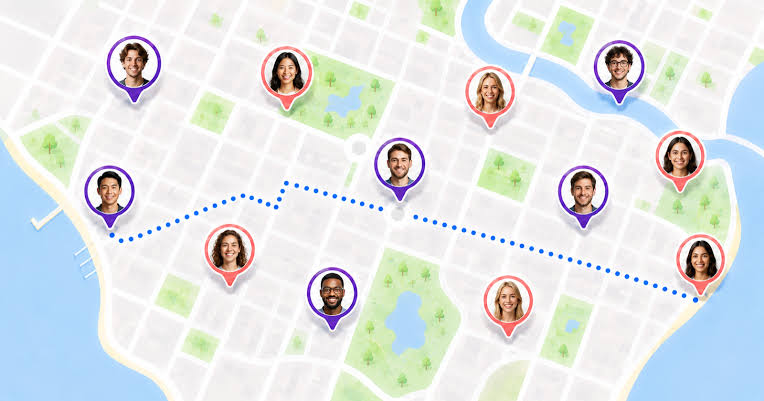
Working from home offers incredible flexibility and comfort. You skip the daily commute and design your own schedule. You wear comfortable clothes and control your environment. However, this freedom often comes with a hidden cost. Remote work isolates you from daily social interactions. You miss the casual conversations by the coffee machine. You lose the spontaneous lunches with coworkers. Over time, this isolation leads to profound loneliness. You spend your days staring at a screen, talking only to virtual avatars. You need a strategy to replace the social network an office provides. Building a social life requires intentional effort and planning. You must create opportunities to connect with people in your community. This guide outlines practical steps to establish a fulfilling social life near your home.
Start With Places Within 15 Minutes of Home
Location matters immensely when building new habits. You want to make socializing as easy as possible. Choose places located within a fifteen minute walk or drive from your home. A short distance removes friction and excuses. You will visit a nearby coffee shop much more often than one across town. You integrate these local spots into your daily routine effortlessly.
Coffee shops provide an excellent starting point. You bring your laptop and work for a few hours. You see the same baristas and regular customers. A simple nod or smile starts the process of recognition. Coworking spaces offer a more structured environment. You pay for a desk and gain access to a community of other remote workers. These spaces often host networking events and casual lunches. They actively encourage interaction among members.
Local gyms and fitness centers attract people who live nearby. You attend a morning yoga class or lift weights after work. You share a common interest in health and fitness. Libraries and community centers host free events and workshops. You can attend a lecture or join a discussion group. Parks offer a relaxed setting for casual interactions. You walk your dog and chat with other pet owners.
Community gardens bring neighbors together for a shared purpose. You rent a plot and grow vegetables alongside others. You exchange gardening tips and share your harvest. Local clubs, such as photography or cycling groups, connect people with specific hobbies. You meet regularly to practice your skills and share experiences.
Consider the benefits of staying local:
- You save time on travel.
- You support neighborhood businesses.
- You meet people who live in your area.
- You feel more connected to your community.
Choose Activities Where You See the Same People Again
Repeated exposure builds the foundation of friendship. You need to see the same faces regularly to develop trust. One time events rarely lead to lasting connections. You attend a large festival, talk to a few people, and never see them again. You need environments that encourage consistent interaction over weeks and months.
Language courses require weekly attendance. You practice speaking with the same classmates. You make mistakes and learn together. This shared vulnerability breaks down social barriers quickly. Sports leagues operate on a set schedule. You join a local volleyball or softball team. You practice weekly and compete against other teams. The shared goal creates a strong bond among teammates. This is an excellent environment to find local friends because you naturally build camaraderie through shared effort and regular interaction.
Game nights offer structured social time. You meet weekly to play board games or trivia. The game provides a natural focus for the group. You talk, laugh, and strategize together. The pressure of constant small talk disappears. You can focus on the game when conversation lulls.
Volunteer projects connect you with people who share your values. You commit to helping at an animal shelter every Saturday. You work alongside the same volunteers each week. You clean cages, walk dogs, and share stories. The shared purpose creates a deep sense of connection. You know the people around you care about similar issues.
Compare these regular activities to typical social events. A concert is loud and focused on the performance. A crowded bar makes conversation difficult. A networking event feels transactional and forced. Regular group activities provide a relaxed, consistent environment for building relationships. You transition slowly from brief greetings to meaningful conversations.
Here are examples of activities that promote repeated interaction:
- Weekly book clubs
- Community choir practice
- Adult education classes
- Neighborhood association meetings
- Local theater groups
Add Two Social Plans to Your Workweek
Consistency requires a practical schedule. You need a system that fits your remote work lifestyle. Do not overwhelm yourself with daily social commitments. You will burn out quickly and retreat to your home office. Aim for a balanced approach. Add two specific social plans to your weekly calendar.
Schedule one social outing during the workweek. Choose a low pressure activity that gets you out of the house. Work from a local coffee shop on Tuesday morning. Attend a lunchtime yoga class on Wednesday. Go to a casual networking meetup on Thursday evening. This midweek outing breaks up the monotony of working alone. It provides a necessary mental reset.
Schedule one group activity for the weekend or a free evening. This should be a more involved commitment. Attend your weekly sports league game. Go to your volunteer shift at the community garden. Participate in your language class. This longer activity allows for deeper interaction and connection.
Protect these social plans fiercely. Treat them as important appointments. Do not cancel them because you feel slightly tired. Remote work often blurs the line between professional and personal time. You might feel tempted to work late instead of attending your group. Resist this urge. Your mental health depends on social interaction.
Prepare for your outings to ensure you actually go. Pack your gym bag the night before. Lay out your clothes for the evening event. Remove any obstacles that might cause you to cancel. When the time comes, simply follow your plan. You will almost always feel glad you went.
Strategies for keeping your social commitments:
- Put the events on your main calendar.
- Set reminders on your phone.
- Tell a friend you plan to attend.
- Commit to going for just twenty minutes.
- Reward yourself after attending.
Turn Familiar Faces Into Plans Outside the Group
Seeing someone regularly at a group activity is a great start. However, true friendship requires interaction outside that specific context. You must take the initiative to expand the relationship. This step feels intimidating, but it is entirely necessary. You must signal your interest in spending more time together.
Start by paying attention to their interests. Listen carefully when they talk about their weekend plans or hobbies. Note any shared interests you discover. Use these shared interests as a bridge to a new activity. If they mention enjoying a specific type of food, suggest trying a new restaurant together.
Propose a casual, low stakes activity. Do not invite them to a formal dinner party immediately. Suggest grabbing coffee after your weekly class. Say, “I am heading to the cafe next door. Would you like to join me?” This approach feels relaxed and easy to accept or decline.
Suggest a group outing to reduce pressure. Invite a few people from your activity to do something together. Say, “A few of us are checking out the new brewery on Friday. You should come along.” A group setting feels less intense than a one on one meeting. It allows everyone to interact comfortably.
Exchange contact information naturally. Do this when you have a specific reason to connect. Say, “I found that article we discussed. Let me get your number so I can send you the link.” Or say, “Let’s exchange numbers so we can coordinate rides to the next game.”
Keep your invitations simple and direct. Avoid language that sounds like a romantic date. Use phrases like:
- “Do you want to grab a quick coffee after this?”
- “I am going for a walk in the park later. Care to join?”
- “Let’s get lunch next week and talk more about that project.”
- “A group of us are going to trivia night. You are welcome to come.”
Building a social life takes time and consistent effort. You will experience awkward moments and rejected invitations. Do not let these setbacks discourage you. Continue showing up and putting yourself out there. Your persistence will eventually lead to meaningful local friendships. You will transform your remote work experience from isolating to fulfilling.