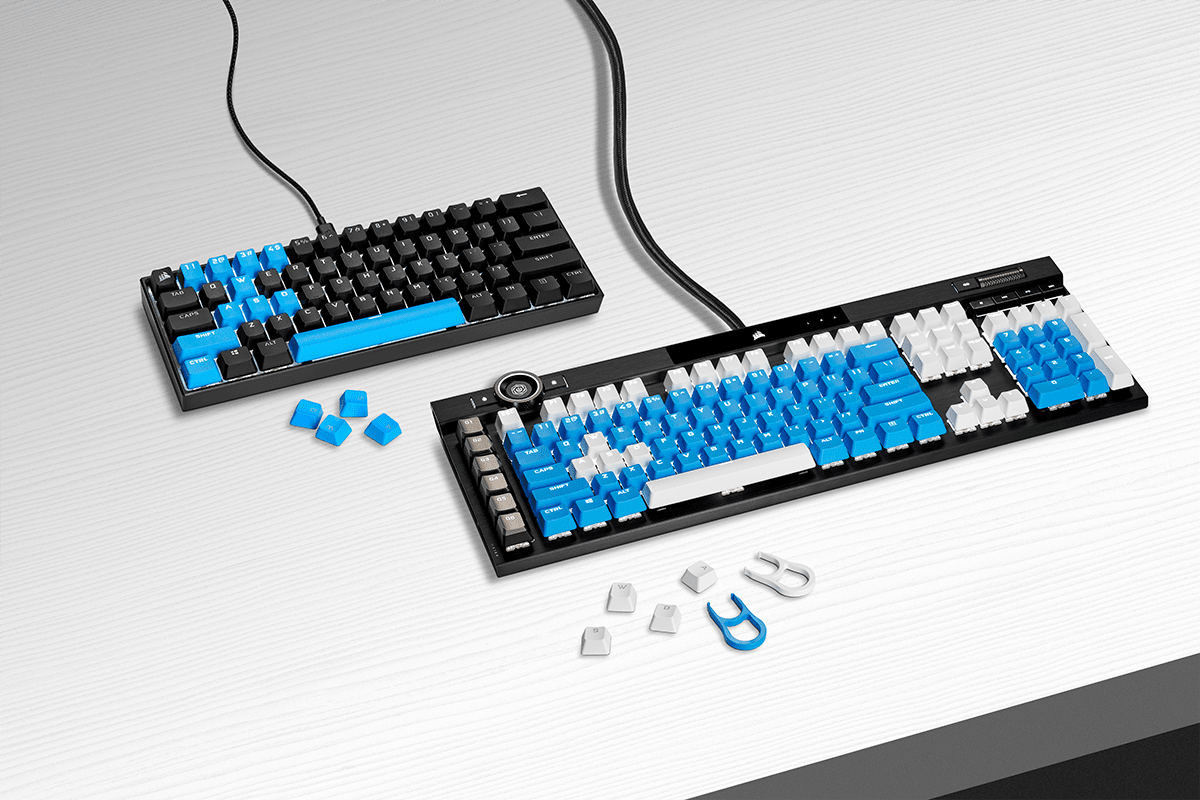
PBT keycaps are among the most popular upgrades in the mechanical keyboard world. Whether you’re gaming, coding, or working in an office, switching to PBT keycaps can noticeably change how your keyboard feels, sounds, and ages over time.
Compared with standard ABS keycaps, PBT is widely recognized for its improved durability and better resistance to surface shine. However, the real performance difference depends on factors such as manufacturing quality, keycap profile, and how the keyboard is used. This guide breaks everything down in a practical way to help you decide whether PBT keycaps are worth it.
What Are PBT Keycaps and Why Do They Matter?
What Does PBT Mean in Keycaps?
PBT stands for Polybutylene Terephthalate, a strong thermoplastic material known for heat resistance and structural stability. In mechanical keyboards, it is used to produce keycaps that are generally more durable than ABS alternatives.
How Are PBT Keycaps Made?
Most PBT keycaps are manufactured using high-temperature injection molding. The two most common printing methods are:
Dye-sublimation: Ink is embedded into the plastic surface for long-lasting legends
Double-shot molding: Two layers of plastic are fused to form durable, non-fading legends
Dye-sub is especially popular in PBT sets because it offers strong resistance to fading over time.
Why Material Choice Affects Your Typing Experience
Keycap material impacts more than just durability. It also influences:
Sound profile
Surface texture
Long-term comfort
PBT keycaps usually produce a deeper, more muted sound compared to ABS, which tends to sound sharper and higher-pitched. This difference becomes more noticeable during long typing sessions or in quiet environments.
Are PBT Keycaps Worth It for Everyday Use?
For most users, PBT keycaps are a solid upgrade if long-term consistency and durability matter.
However, ABS keycaps may still be suitable for:
Budget builds
Short-term setups
RGB-focused keyboards
Ultimately, the value depends on usage intensity and personal preference rather than a universal rule.
PBT vs ABS Keycaps: What’s the Real Difference?
The most common comparison in the keyboard community is PBT vs ABS. Each material has distinct strengths.
| Feature | PBT Keycaps | ABS Keycaps |
| Durability | Excellent resistance to shine | More likely to become glossy |
| Texture | Matte, slightly textured feel | Smooth, often becomes shiny |
| Sound | Deeper and more muted | Brighter and higher-pitched |
| Cost | Usually more expensive | More affordable |
Which Keycap Material Lasts Longer?
In long-term usage, PBT keycaps generally maintain their original texture better than ABS. ABS tends to develop a polished surface due to repeated finger contact, especially under heavy daily use.
Do PBT Keycaps Feel Better Than ABS?
This depends entirely on preference.
PBT: More grip, textured feel, stable over time
ABS: Smoother surface, sometimes preferred for fast key movement
There is no absolute “better” choice—only different user experiences.
Why Do ABS Keycaps Become Shiny?
ABS plastic is softer, so repeated friction gradually polishes the surface. This creates the well-known “shine” effect that many users notice after months of use.
Which Is Better for Gaming, Work, and Typing?
Gaming
ABS may offer slightly better RGB light diffusion in some setups, but PBT provides more consistent grip during fast inputs.
Office and Productivity
PBT is often preferred because of its stable texture and reduced surface wear over long typing sessions.
Programming and Long Typing
Many developers favor PBT keycaps for their comfort and reduced fatigue during extended use.
Why Do Users Prefer PBT Keycaps?
PBT keycaps are popular because they offer:
Better long-term durability
More stable surface texture
Deeper sound profile
Strong resistance to oil and shine
While they do not directly improve typing speed or gaming performance, they can improve comfort and consistency over time.
What Should You Consider When Buying PBT Keycaps?
1. Keycap Profile
Cherry: Low profile, ergonomic, popular for long typing
OEM: Standard height, widely compatible
SA: Tall and sculpted, more stylized feel
2. Printing Method
Dye-sublimated: Excellent longevity for legends
Double-shot: Very durable and crisp legends
3. Keyboard Compatibility
Check before buying:
ANSI or ISO layout
Keyboard size (60%, 65%, TKL, full-size)
Modifier key compatibility
4. Price Ranges
| Price | Expected Quality |
| $20–$40 | Entry-level PBT sets |
| $40–$80 | Better molding and consistency |
| $80+ | Premium design and materials |
How to Maintain PBT Keycaps
PBT keycaps are low maintenance, but proper care improves lifespan:
Clean with warm water and mild soap
Avoid harsh chemicals
Keep away from excessive UV exposure
Maintain clean hands during heavy use
Conclusion
PBT keycaps are widely considered a reliable upgrade for mechanical keyboards thanks to their durability, stable texture, and long-term performance. While they may not be essential for every user, they offer clear benefits for those who spend significant time typing or gaming.
By understanding material differences, printing methods, and compatibility requirements, you can choose a keycap set that better matches your workflow, comfort needs, and customization goals.
FAQs
Are PBT keycaps better than ABS keycaps?
PBT keycaps generally last longer and resist shine better, while ABS keycaps are more affordable and smoother to the touch.
Do PBT keycaps affect typing or gaming performance?
They do not directly affect performance, but they can improve comfort, grip, and consistency during long sessions.
Are PBT keycaps compatible with all keyboards?
Not always. Compatibility depends on layout (ANSI/ISO), keycap profile, and keyboard size.