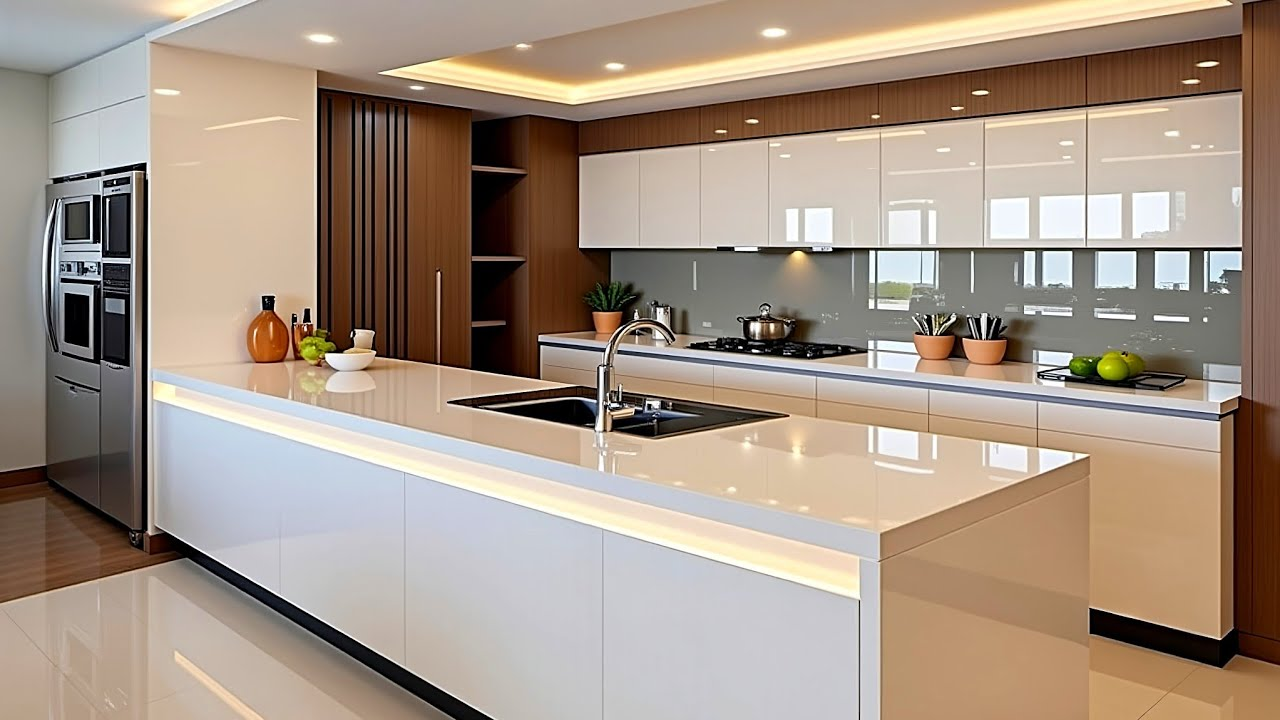
The kitchen has become one of the most important spaces in any home. It is no longer viewed as simply a place to prepare meals but as a central gathering area where families connect, guests are entertained, and everyday activities take place. Because of its importance, homeowners often invest in a kitchen remodel to improve functionality, update outdated designs, and increase overall property value.
Over time, kitchens experience constant wear from cooking, moisture, heat, and heavy daily use. Cabinets may become damaged, countertops can lose their appeal, layouts may feel inefficient, and appliances often become outdated. A well-planned remodeling project allows homeowners to transform the kitchen into a more efficient, comfortable, and visually appealing environment.
A kitchen remodel can involve anything from simple upgrades to a complete redesign of the entire space. Whether the goal is to improve storage, modernize aesthetics, enhance energy efficiency, or create an open-concept layout, remodeling provides both practical and long-term benefits.
This article explores the importance of kitchen remodeling, modern design trends, layout planning, material selection, budgeting considerations, and the advantages of professional renovation services.
Why Kitchen Remodeling Is Important
The kitchen is one of the most frequently used rooms in a home, making its condition and functionality extremely important. As families grow and lifestyles evolve, older kitchen designs may no longer meet practical needs.
Limited storage, poor lighting, inefficient layouts, and outdated appliances can make cooking and organization more difficult. Older materials may also show signs of damage due to years of moisture exposure, stains, and heavy usage.
A professionally planned kitchen remodel helps solve these issues by improving workflow, maximizing space, and enhancing comfort. Remodeling also allows homeowners to incorporate modern technology, energy-efficient appliances, and updated design elements that improve daily living.
In addition to improving functionality, a renovated kitchen often increases property value significantly. Potential buyers frequently view the kitchen as one of the most important spaces when evaluating a home, making it a valuable investment for future resale.
Planning a Successful Kitchen Remodel
Every successful remodeling project begins with detailed planning. Before construction starts, homeowners should clearly identify their goals for the space.Some homeowners prioritize additional storage and organization, while others focus on aesthetics, luxury features, or improved cooking efficiency. Understanding these priorities helps guide design decisions and budget allocation.
The layout is one of the most critical aspects of planning. A functional kitchen layout improves movement between cooking, cleaning, and storage areas. The classic kitchen work triangle, which connects the sink, stove, and refrigerator, remains an important design principle because it promotes efficient workflow.
Budget planning is equally essential. Remodeling costs vary depending on room size, materials, structural changes, and appliance upgrades. Establishing a realistic budget early helps prevent overspending while ensuring that key features receive proper investment.Professional design consultations often help homeowners create balanced plans that combine style, practicality, and long-term value.
Modern Design Trends in Kitchen Remodeling
Kitchen design trends continue evolving as homeowners seek spaces that combine beauty, comfort, and functionality. Modern kitchens often feature open layouts, clean lines, and multi-functional spaces that support both cooking and social interaction.
Neutral color palettes remain popular because they create timeless appeal and allow flexibility with decorative accents. White, gray, beige, black, and natural wood tones are commonly used to create elegant and welcoming environments.Large kitchen islands have become a central feature in many remodeling projects. Islands provide additional workspace, seating, storage, and opportunities for social interaction.
Open shelving, hidden storage systems, and minimalist cabinetry designs are also common because they improve organization while maintaining a clean appearance.Smart technology is increasingly integrated into modern kitchens. Features such as touchless faucets, smart refrigerators, energy-efficient appliances, and voice-controlled lighting improveconvenience and efficiency.A carefully planned kitchen remodel balances modern design trends with practical everyday functionality.
Choosing Durable and Functional Materials
Material selection plays a major role in the durability and appearance of a remodeled kitchen. Because kitchens experience heavy daily use, surfaces must withstand moisture, heat, stains, and frequent cleaning.
Quartz countertops are highly popular because they are durable, low-maintenance, and resistant to stains and scratches. Granite remains a luxury option valued for its natural beauty and strength.
Cabinet materials should also provide long-term durability while complementing the overall design style. Solid wood, plywood, and high-quality engineered materials are commonly used for long-lasting performance.Flooring choices must combine durability with comfort and visual appeal. Porcelain tile, luxury vinyl, hardwood, and natural stone are widely used because they handle heavy traffic effectively.
Backsplashes not only protect walls from moisture and stains but also contribute significantly to the kitchen’s overall style. Modern backsplash designs often feature textured tiles, geometric patterns, or natural stone finishes.High-quality materials help ensure that the remodeled kitchen remains functional and attractive for many years.
Improving Storage and Organization
One of the most common reasons homeowners pursue remodeling is the need for better storage solutions. Cluttered countertops and limited cabinet space can reduce efficiency and make the kitchen feel smaller.
Modern storage systems focus on maximizing every inch of available space. Deep drawers, pull-out shelves, corner organizers, pantry systems, and hidden compartments improve accessibility and organization.Vertical storage solutions help utilize unused wall space, while custom cabinetry can be designed to fit specific household needs.
Kitchen islands often include additional storage features such as cabinets, drawers, and shelving, making them highly functional additions to the space.An organized kitchen improves workflow, reduces clutter, and creates a more enjoyable cooking environment.
The Importance of Lighting in Kitchen Design
Lighting is a critical element in both functionality and atmosphere. A poorly lit kitchen can make cooking difficult and reduce overall comfort.
Modern kitchens often use layered lighting systems that combine ambient, task, and accent lighting. Ambient lighting provides overall illumination, while task lighting focuses on work areas such as countertops and cooking spaces.Under-cabinet lighting is particularly useful because it improves visibility while adding visual appeal. Pendant lights above islands or dining areas also serve both decorative and practical purposes.
Natural light is highly valued because it creates a brighter and more open atmosphere. Large windows, glass doors, and skylights help maximize daylight exposure.Energy-efficient LED lighting systems are commonly used because they provide long-lasting performance while reducing energy consumption.
Enhancing Energy Efficiency and Sustainability
Many homeowners incorporate energy-efficient upgrades during a kitchen remodel to reduce utility costs and support sustainability.Modern appliances are designed to use less electricity and water while providing better performance. Energy-efficient refrigerators, dishwashers, ovens, and lighting systems help lower long-term operating expenses.
Water-saving faucets and smart plumbing fixtures also contribute to improved efficiency.Sustainable materials such as recycled surfaces, eco-friendly cabinetry, and low-VOC paints are becoming increasingly popular among environmentally conscious homeowners.Improving insulation, ventilation, and lighting efficiency during remodeling further enhances overall energy performance.
Creating an Open and Comfortable Living Space
Today’s kitchens are often designed as part of open-concept living spaces that connect seamlessly with dining and family areas. This layout creates a more spacious environment while encouraging social interaction.Removing unnecessary walls or expanding the kitchen area can improve natural light flow and make the home feel larger.
Comfortable seating areas, breakfast bars, and integrated dining spaces help transform the kitchen into a multifunctional gathering area.A successful kitchen remodel creates a balance between cooking functionality and comfortable living space, making the kitchen more enjoyable for both daily use and entertaining guests.
Professional Remodeling Services and Expertise
Kitchen remodeling projects involve multiple technical elements, including plumbing, electrical work, cabinetry installation, flooring, and appliance integration. Professional expertise is essential for ensuring safe and high-quality results.Experienced contractors understand building codes, structural requirements, and installation techniques necessary for long-term durability and performance.
Professional designers can also help homeowners optimize layouts, select suitable materials, and avoid costly mistakes during construction.For homeowners seeking reliable renovation support and expert guidance, resources such as kitchen remodel provide professional solutions for creating functional and visually appealing kitchen spaces.
Budgeting and Managing Remodeling Costs
Budget management is an important aspect of every remodeling project. Costs can vary widely depending on project size, materials, labor, and custom features.Homeowners should prioritize essential upgrades while allowing flexibility for unexpected expenses. Investing in durable materials and professional installation often reduces future maintenance and repair costs.
Obtaining multiple estimates and carefully comparing design options helps ensure informed financial decisions.While remodeling may require significant initial investment, the long-term value and improved quality of life often justify the expense.
Increasing Property Value Through Remodeling
Kitchen renovations consistently rank among the most valuable home improvement projects. Updated kitchens improve both functionality and market appeal, making homes more attractive to potential buyers.Modern appliances, stylish cabinetry, efficient layouts, and quality finishes can significantly increase perceived property value.
Even moderate upgrades such as new countertops, improved lighting, and updated fixtures often deliver strong returns on investment.A professionally completed remodel demonstrates proper maintenance and modern design standards, which positively influence resale potential.
Conclusion
The kitchen serves as the heart of the home, making its design, comfort, and functionality extremely important. Over time, changing lifestyles, outdated materials, and evolving household needs make remodeling a valuable investment.
A kitchen remodel provides opportunities to improve workflow, increase storage, modernize aesthetics, enhance energy efficiency, and create a more comfortable living environment. From durable materials and smart technology to open layouts and customized storage solutions, remodeling offers long-term benefits that enhance both daily life and property value.By investing in careful planning, quality craftsmanship, and professional expertise, homeowners can create kitchens that remain functional, attractive, and enjoyable for many years to come.