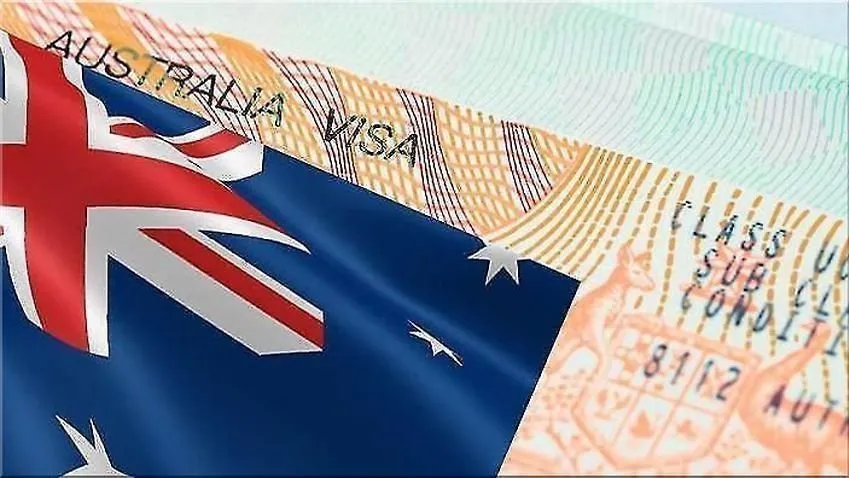
Australia is a popular destination for couples from around the globe seeking to build their lives together. A key pathway for many is the partner visa, which allows spouses or de facto partners of Australian citizens, permanent residents, or eligible New Zealand citizens to live in Australia. This article aims to explore the intricacies of the partner visa process, providing readers with a comprehensive understanding of the requirements and benefits involved.
Understanding the Partner Visa
The partner visa category is primarily designed for couples where one partner holds Australian citizenship or is a permanent resident, and the other does not. It encompasses a two-stage process involving a temporary and a permanent visa, fostering a seamless migration experience.
Temporary Partner Visa
The initial step involves obtaining a temporary partner visa, which permits the applicant to live in Australia while their permanent visa application is being processed. This visa type is crucial as it provides immediate rights and access to live, work, and study in Australia under specific conditions.
Permanent Partner Visa
Following the temporary visa, a permanent partner visa can be granted, usually two years after the initial application. This visa provides more stability and allows for an indefinite stay, including the ability to work and study full-time, enrol in Medicare, and travel freely in and out of Australia as often as desired.
Eligibility Criteria
Eligibility for a partner visa requires the relationship to be genuine and ongoing. Applicants must be able to prove their relationship status, which can be through marriage, a de facto relationship, or a registered relationship. Supporting evidence such as joint bank accounts, shared residency, and invitations to social events may be required.
Marriage-Based Applications
For those applying based on marriage, the relationship must be legally recognised in Australia. Any international marriages should align with Australian legal standards for the application to progress smoothly.
De Facto Relationships
De facto partners must demonstrate their shared life for at least 12 months prior to the application. Evidence is crucial and can include shared financial responsibilities, joint travel, and shared living arrangements.
Benefits of the Partner Visa
The partner visa not only allows partners to be reunited but also integrates them into Australian society. It offers a pathway to future permanent residency or even citizenship, provided the relationship and stay criteria are met.
Employment Opportunities
Upon obtaining the partner visa, the visa holder gains the right to work in Australia without restrictions. This access plays a vital role in their financial independence and contributes significantly to the economy.
Healthcare Access
Visa holders will be eligible for Australia’s Medicare, granting them access to essential health services. This provision ensures their well-being and reduces the burden of healthcare costs.
Application Process
Applying for a partner visa involves several steps, starting with submitting a valid application form. The process can be intricate, often requiring professional assistance to navigate the complexities of legal requirements and document submission.
Documentation Required
Applicants need to provide extensive documentation supporting their relationship status, identity, health, and character. Properly prepared documentation can significantly expedite the process and increase the likelihood of success.
Professional Guidance
Considering the complexity, many applicants opt for professional guidance from migration agents to ensure a smooth and efficient application process. These professionals can offer valuable insights and handle paperwork meticulously.
Conclusion
The partner visa is a significant step for many seeking a life in Australia with their loved ones. By understanding the detailed processes, eligibility criteria, and benefits, applicants can approach their applications with confidence, resting assuredly on the possibility of securing their future in Australia.