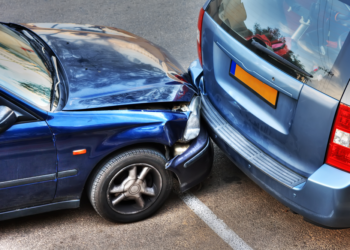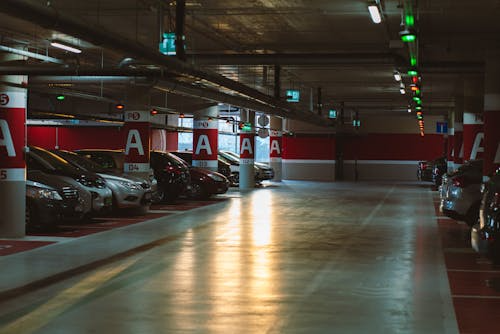
A crash inside a parking garage can feel harder to explain than one on a street. There may be no traffic light, no clear lane, and no officer standing nearby to sort out the first few minutes. One driver may say the other came too fast. The other may point to a blind turn, a narrow ramp, or a car backing out without warning.
That confusion does not mean a claim is impossible. It means the details matter. Boynton Beach car accident lawyers may look at the way the garage was designed, how each vehicle moved, what the drivers could see, and whether the property was kept in a safe condition.
A Garage Crash Can Still Support a Claim
A parking garage is still a place where drivers owe care to others. The speed may be lower than on a road, but the risk is not gone. Cars move in close quarters. Pedestrians walk between spaces. Drivers reverse, turn, stop, and search for exits simultaneously.
A parking garage accident may involve two drivers, but that is not always the full picture. The claim may also raise questions about poor lighting, faded signs, missing mirrors, blocked views, or traffic flow that made the crash more likely.
Fault Depends on What Each Person Did
In many garage crashes, fault turns on simple conduct. Was the driver moving too fast for the space? Did someone back out without checking both directions? Did a vehicle cut across the lane instead of following the arrows?
These questions matter because a garage does not always give drivers room to correct a mistake. A slow reaction, a rushed turn, or a missed stop sign can lead to contact within seconds.
Boynton Beach car accident lawyers may compare the damage on the vehicles with the drivers’ statements. The location of the impact can help show whether one car was backing out, turning, or moving through the lane.
Visibility Is Often the Main Problem
Garages are full of places where a driver’s view can be limited. Concrete columns, parked SUVs, tight corners, ramps, and dim lights can all affect what a person could reasonably see.
Limited visibility does not excuse careless driving, but it can help explain how the crash happened. A driver approaching a blind corner may need to slow down. A person leaving a space may need to move carefully and pause before entering the lane.
The property condition can also matter. If a light was out, a mirror was missing, or a warning sign was blocked, the garage owner or manager may be included in the liability review.
Right of Way Is Not Always Obvious
Many people assume the driver traveling down the lane always has the right of way. That can be true in some situations, but garage accidents are rarely that clean.
Right-of-way issues can arise when one driver is backing out, another is turning off a ramp, or two vehicles meet near a tight corner. Posted arrows, stop signs, lane markings, and traffic patterns may help show who should have waited.
A witness can also make a difference. Someone walking nearby may remember whether a driver stopped, honked, sped through the lane, or failed to look before moving.
Evidence Can Disappear Fast
The first few hours after a garage crash can be important. Cars get moved. People leave. Property staff may clean up broken parts or fix a hazard before anyone takes a photo.
Surveillance footage may help show speed, direction, stopping, and visibility. The problem is that the video is not always saved for long. Some systems overwrite old footage within days, or even sooner.
Photos can help fill the gap. Take pictures of the vehicles, the damage, the surrounding area, signs, lighting, ramps, and any blocked views. Wide photos are useful because they show how the crash location fits into the garage layout.
Do Not Skip the Report
If the garage is connected to a store, office, apartment building, hospital, or hotel, ask whether security or management can prepare an incident report. This may not prove who was at fault, but it can create a record of when and where the crash happened.
Keep the report factual. State what you saw, where your car was, and what direction you were moving. Avoid guessing about speed or blame if you are not sure.
Medical records also matter. Even a low-speed crash can cause pain that shows up later. If your neck, back, shoulder, or head starts hurting, getting checked can protect your health and create a record of the injury.
Conclusion
A car accident claim can still be possible when the crash happens in a Boynton Beach parking garage. These cases often depend on tight facts: speed, visibility, signs, right-of-way, camera footage, property conditions, and what each driver did before impact.
The setting may be small, but the claim should not be brushed aside. A garage crash can leave someone with medical bills, missed work, and unanswered questions.
If you are unsure how to make sense of what happened, FK Legal can review the situation and explain possible next steps. Speaking with Boynton Beach car accident lawyers may help you understand what evidence could support your claim.