Introduction
Manufacturing has come a long way over the centuries. Today, metal machining sits at the heart of modern industry. It is used in everything from cars to medical devices. If you work in engineering, production, or procurement, understanding machining is essential. This guide breaks it all down in simple terms.
What Is Metal Machining?
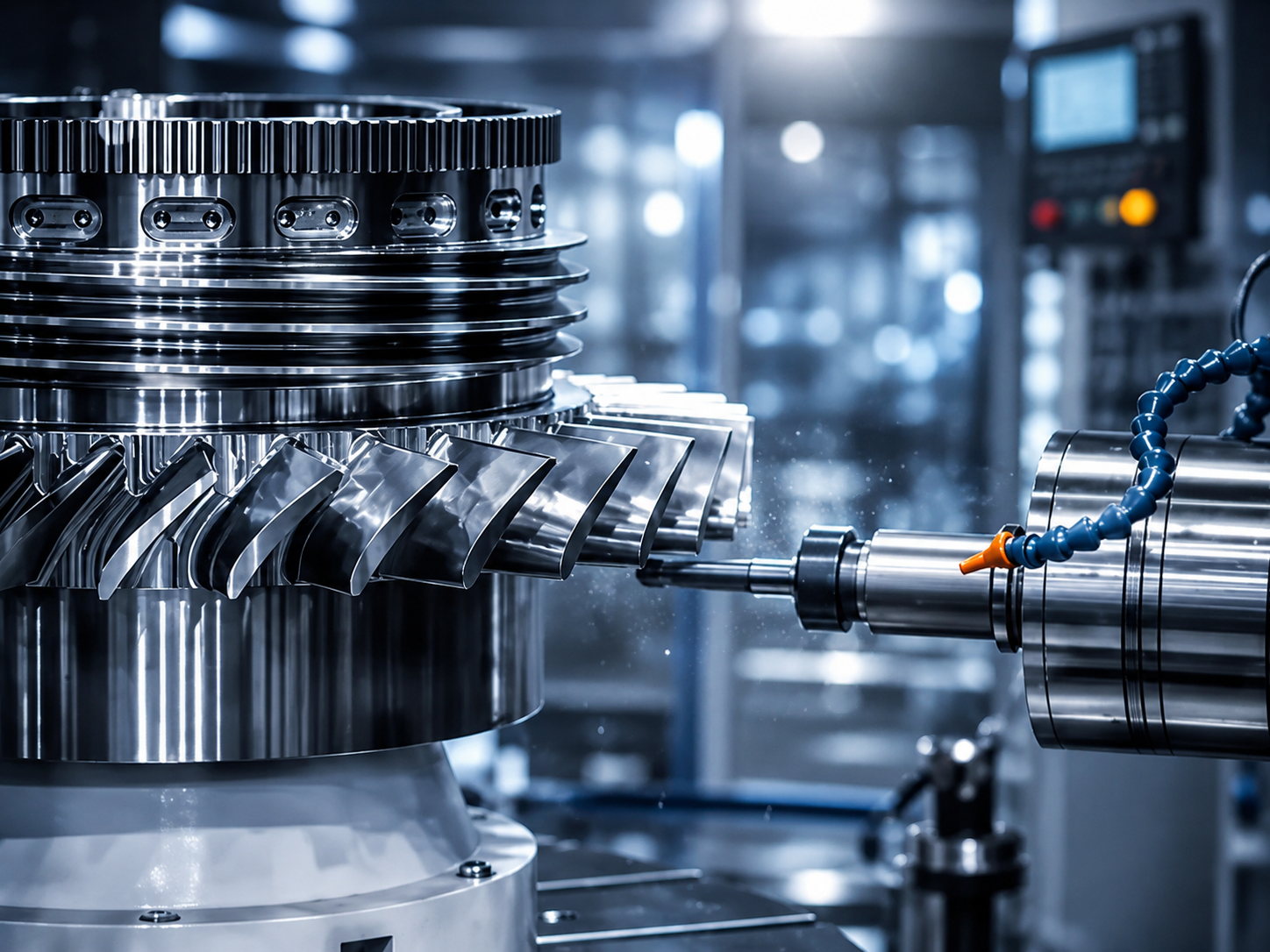
Metal Machining is the process of shaping metal by removing material from a workpiece. A cutting tool is used to cut, drill, or grind the metal into the desired shape. The result is a finished part with exact dimensions.
This process is used across many industries. These include aerospace, automotive, construction, and medical manufacturing. The goal is always the same: produce accurate, high-quality parts.
There are two broad types of machining. The first is traditional machining, which includes turning, milling, and drilling. The second is non-traditional machining, which includes laser cutting and electrical discharge machining (EDM).
Common Machining Processes
There are several core machining processes used in manufacturing today.
Turning is one of the most common. The workpiece rotates while a cutting tool moves along its surface. This is used to create cylindrical parts like shafts and bolts.
Milling uses a rotating cutter to remove material from a fixed workpiece. It can cut flat surfaces, slots, and complex shapes. Milling machines are very flexible and widely used.
Drilling creates holes in metal using a rotating drill bit. It seems simple, but precision drilling requires the right speed, feed rate, and tool.
Grinding uses an abrasive wheel to finish a surface. It gives the part a smooth and accurate finish. Grinding is often the last step before a part is ready to use.
Boring enlarges an existing hole to a precise size. It is used when tight tolerances are needed.
Each process has a specific purpose. Often, a part goes through more than one process before it is complete.
Key Materials Used in Machining
Not all metals are the same to machine. Some are easy to cut, while others are tough and wear out tools quickly.
Aluminum is lightweight and easy to machine. It is used in aerospace and consumer electronics. It cuts cleanly and requires little force.
Steel is strong and common. It comes in many grades. Some grades, such as stainless steel, are harder to machine and require specialized cutting tools.
Titanium is very strong and lightweight. It is used in aerospace and medical implants. However, it is difficult to machine because it retains heat and can damage cutting tools.
Brass and copper are soft metals. They are well-made and used in electrical parts and fittings.
Choosing the right material depends on the application. Machinists must also choose the right cutting tools and speeds to match the material.
CNC Machining: The Modern Standard
CNC stands for Computer Numerical Control. It is the most advanced form of machining available today. A computer program controls the movement of the cutting tools. This allows for very precise and repeatable results.
Working with a trusted Custom CNC Machining Parts Manufacturer brings many advantages. CNC machines can run 24 hours a day with very little human input. They can produce complex shapes that would be impossible to make by hand. They also reduce the chance of human error.
CNC machining is used in almost every industry now. From small electronics components to large structural parts, CNC delivers consistent quality. Many manufacturers use CNC for both prototyping and full-scale production.
There are different types of CNC machines. CNC lathes handle turning operations. CNC milling machines handle complex cutting. Five-axis CNC machines can move in five directions at once, enabling the production of very complex parts.
Tolerances and Quality Control
Tolerances define how much variation is allowed in a finished part. Tight tolerances mean the part must be very close to the exact measurement. Loose tolerances allow for a bit more variation.
In machining, tolerances are measured in microns or thousandths of an inch. Getting this right is critical. Even a part that is slightly off can cause a product to fail.
Quality control is a key part of the machining process. Machinists use tools like calipers, micrometers, and coordinate measuring machines (CMM) to check part dimensions. Parts that do not meet the required tolerances are rejected or reworked.
Good quality control saves time and money. It also ensures that the final product is safe and reliable.
Surface Finish and Post-Processing
After machining, parts often go through additional finishing steps. These improve the appearance and performance of the part.
Deburring removes sharp edges left by the cutting tool. This makes the part safer to handle and helps it fit together with other parts.
Heat treatment changes the hardness of a metal part. It makes parts stronger or more resistant to wear.
Coating and plating add a layer of material to the surface. This can protect against rust or improve electrical conductivity.
Anodizing is common for aluminum parts. It creates a hard, protective layer on the surface. It can also add color.
These finishing steps are often just as important as the machining itself.
Choosing a Machining Partner
Selecting the right machining partner is important. A good manufacturer will have modern equipment and skilled operators. They will also have strong quality control systems.
Here are some key factors to consider:
- Experience: How long have they been in business? Do they have experience with your industry?
- Equipment: Do they have the right machines for your parts?
- Certifications: Look for ISO certifications. These show a commitment to quality.
- Lead times: Can they deliver parts on time?
- Communication: A good partner keeps you informed throughout the process.
Getting samples or a small trial order is a smart first step. This lets you check quality before committing to a larger order.
Conclusion
Metal machining is a critical part of modern manufacturing. From simple drilling to complex CNC milling, it shapes the components that power our world. Understanding the different processes, materials, and quality standards helps you make better decisions, whether you are designing a product or sourcing parts.
As technology advances, machining continues to evolve. Automation, better software, and new materials are all making it faster and more precise. Staying informed gives you a real advantage in any manufacturing project.