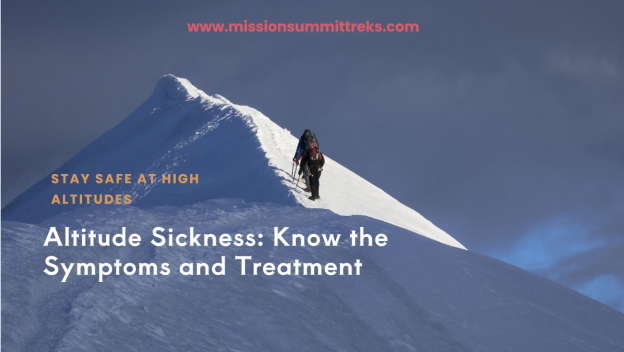
Altitude sickness is of the difficulties of Everest base camp trek, Everest Cho La pass trek and Gokyo lake trek. It is the sickness that occurs due to rapid elevation gain and low oxygen level in the atmosphere. Altitude sickness are of two types based on accumulation of water in different organs (lungs and brain). Altogether, there are three types of altitude sickness. They are:
- · Acute mountain sickness (AMS)
- · High altitude cerebral edema (HACE)
- · High altitude pulmonary edema (HAPE)
Acute mountain sickness (AMS)
Acute mountain sickness Is the altitude sickness that occurs due to gaining elevation and low oxygen level in the atmosphere. It is common on the trekking route higher than 3000 meter above sea level. Headache is the primary symptoms of AMS. Beside it there are many other symptoms that should not be neglected on mountain.
High altitude cerebral edema (HACE)
High altitude cerebral edema is chronic altitude sickness that occurs due to accumulation of water in the brain during the trek in high altitude. It is sever condition which results in swelling of brain. If we do not cure AMS on time it will turn into HACE and may take life of victim.
High altitude pulmonary edema (HAPE)
High altitude pulmonary edema is also a chronic altitude sickness that occurs due to accumulation of water in lungs and results difficulty in breathing. It also occurs after AMS. It is life threatened altitude sickness which may take life if not cured on time.
Altitude sickness can occur for any age group. Thus, we should be conscious about symptoms of AMS during the trek.
Symptoms to AMS
- · Headache
- · Dizziness
- · Loss of appetite
- · Nausea and vomiting
- · Weakness
- · Could not sleep properly
- · Shortening of breathe
How to prevent altitude sickness?
Altitude sickness can be prevented by applying the precaution before suffering from AMS. The basic preventive measures should apply during our trek to prevent altitude sickness.
- · Walking slowly
The best preventive measure of altitude sickness is walking slowy. Even we are capable of walking fast on altitude but we should apply slow pace to adjust with the environment. Waking on high elevation is similar to the proverb slow and steady wins the race. We can reach to the destination without AMS only if we walk slowly.
- · Drinking plenty of water
We should drink plenty of water to hydrolyze our body. We should carry water bottle with us and keep on drinking water to replace the loss of water due to sweat. If we get dehydration then we will have higher change of sickness.
- · Using dimox tablet
Dimox is a medicine that prevent altitude sickness. This medicine should be taken from Kathmandu. We can take 250 mg tablet in a day. We can break the tablet and take half in the morning after breakfast and half in the night after dinner. If we take it throughout our trek in proper manner then we can reach to base camp without AMS. Dimox can cause frequent urination so we should keep on hydrating our body to protect the body from dehydration.
- · Gaining certain elevation per day
We should not gain high elevation in short duration. Gaining elevation day by day from lower altitude is the best practice to prevent from altitude sickness. Gaingign 300 to 400 m per day is normal for adjusting the body with changing climatic condition.
- · Acclimatization
Acclimatization refers to gain the altitude and return to lower elevation to adjust the body in higher altitude. Namche bazaar and Dingboche are the most famous places for acclimatization during Everest trek. We should take a rest day with short hiking on nearby peaks to gain elevation and return to same place for acclimatization.
- · Hygienic food and proper sleep
We should eat good food and avoid hard drinks to protect ourselves from altitude sickness. Similarly, good sleep is most important for proper rest. If we eat good food we can sleep properly and remain active and healthy for trekking.
Conclusion
Slow walking, use of dimox tablet, acclimatization, gaining limited elevation, eating hygienic food and avoiding hard drinks are the major preventive methods of altitude sickness. If we get any two symptoms of AMS then we should return to lower elevation and take rest. If condition remains same even in lower elevation then helicopter evacuation is the last option to reach Kathmandu or Lukla for curing.