Weekend Outdoor Activities Are Changing
For many families, weekends are no longer limited to shopping centers, restaurants, or short visits to city parks. More parents are looking for outdoor activities that allow children and teenagers to spend time in nature, use their energy in a healthy way, and build stronger awareness of the world around them.
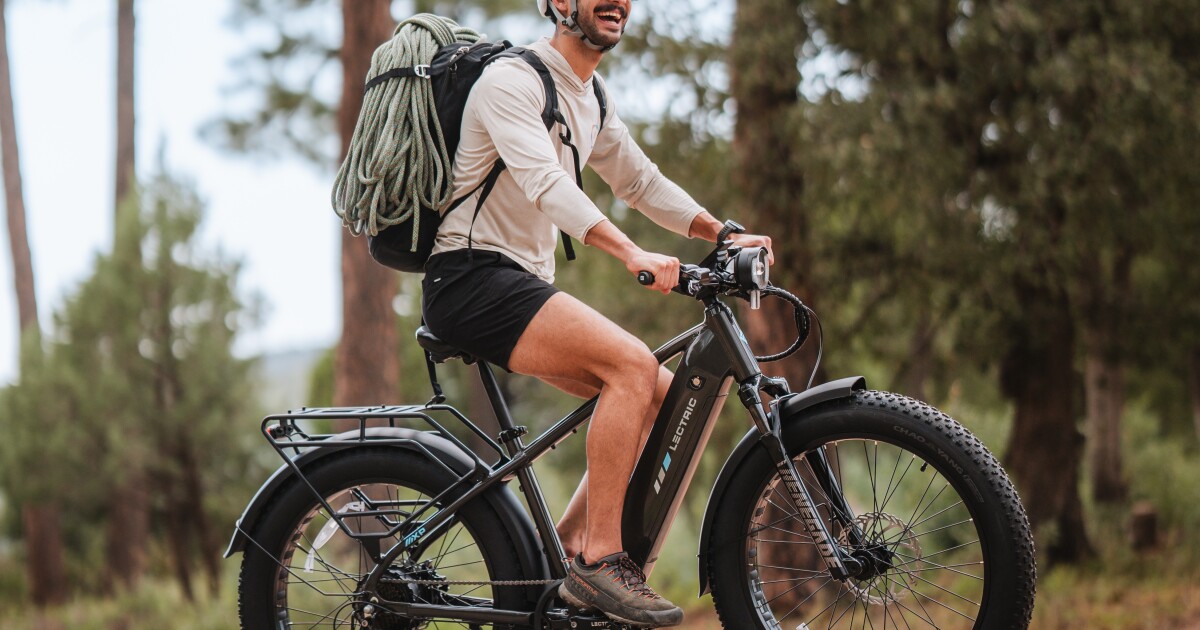
Traditional outdoor activities such as hiking, camping, cycling, fishing, and short countryside trips are still valuable. They give families time away from screens and help children connect with open spaces. However, for active young riders, these activities may sometimes feel too slow or repetitive. This is where electric off-road riding can add a new layer of excitement.
A youth electric dirt bike can turn a simple weekend outing into a more engaging outdoor experience. It combines movement, exploration, route awareness, and family participation in a way that feels both active and educational.
Why Electric Off-Road Riding Fits Family Use
Compared with gas-powered dirt bikes, electric off-road bikes are generally easier to understand, quieter in operation, and simpler to maintain. For family weekend use, these details matter. Parents do not need to manage fuel, engine noise, or complicated mechanical preparation in the same way they might with traditional off-road machines.
In the right setting, electric off-road riding gives young riders a chance to experience different types of terrain. Open fields, farm paths, packed dirt roads, grassy areas, and light trail sections can all create different riding feelings. Instead of only moving from one point to another, riders learn how the ground changes under the tires.
This makes the activity more than just entertainment. It becomes a family project. Parents can help choose the route, check the gear, observe the rider’s progress, and decide when to rest. The experience can be shared instead of being something the child does alone.
What Can Young Riders Learn From It?
Electric off-road riding is not only about speed. During a ride, young riders must look ahead, understand the surface, adjust their body position, manage speed, and respond to turns, slopes, and uneven ground.
These actions help develop focus, coordination, patience, and decision-making. For example, when a rider sees loose gravel, they need to slow down. When approaching a turn, they need to prepare early. When riding in an open area, they still need to respect space and keep distance from others.
This type of learning is different from simply being told what to do. It happens in a real environment. Young riders learn that outdoor activities come with rules, responsibility, and awareness. Over time, this can help build confidence without encouraging careless behavior.
How Families Can Plan a Better Riding Route
A family riding route does not need to be difficult. In fact, the best weekend routes are usually simple, open, and easy to manage. Private farm roads, approved outdoor riding areas, off-road parks, and certain campground zones may be suitable depending on local rules.
Parents should think about the distance, ground conditions, rest areas, and return route before the ride begins. For younger or less experienced riders, the route should not be too long. The purpose is not to complete a difficult challenge, but to create a positive and controlled outdoor experience.
A good family route usually has three qualities. It should offer enough space, a manageable surface, and places where the rider can stop and rest. When these details are planned well, the activity feels more relaxed and enjoyable for everyone involved.
Can Electric Riding Work With Camping?
Electric off-road riding can also fit naturally into camping trips. Many families go camping not only to sleep outdoors, but also to spend time together, explore the area, and create activities around the campsite.
In this type of setting, a bike from a brand such as Qronge may become part of a broader outdoor lifestyle conversation. The focus is not just the bike itself, but how electric riding can support short-distance exploration, campsite movement, and active family time.
For example, a young rider might practice in a designated open area near the campsite while parents supervise. After a short riding session, the family can return to camp, rest, drink water, check equipment, and continue with other activities. This rhythm keeps the day active without making it overwhelming.
Camping and electric riding work well together because they both encourage families to spend more time outdoors. When planned properly, the ride becomes one part of a larger weekend experience.
What Should Parents Check Before the Trip?
Before planning any ride, parents should first confirm whether the chosen location allows electric off-road vehicles. Some parks, trails, and protected natural areas do not permit motorized vehicles, even if they are electric. Checking local rules helps avoid problems and protects the riding environment.
Safety gear should also be prepared before the ride. A helmet, gloves, knee protection, elbow protection, eye protection, and suitable outdoor shoes are all important. Even short rides can involve dust, uneven ground, and sudden changes in balance.
Parents should also check the bike’s battery level, brakes, tires, throttle response, and basic components. These simple checks can prevent small issues from interrupting the trip.
Just as importantly, families should set clear boundaries. Young riders need to know where they can ride, where they should not go, when to slow down, and when to stop. These rules should be explained before the activity begins, not after a problem happens.
Why It Is More Than Just a Ride
For young riders, a positive outdoor riding experience can spark interest in nature, movement, mechanics, and route planning. It gives them a reason to look at the environment more carefully and understand how their choices affect the ride.
For parents, it can become a more meaningful way to spend time together. Instead of simply watching a child play, parents are involved in preparation, guidance, and shared decision-making. This creates more natural communication between family members.
That is why electric off-road riding can be more valuable than it first appears. It brings together recreation, physical activity, outdoor learning, and family connection.
How to Think About Buying Options
When families compare an electric dirt bike for sale, they should look beyond speed and price. The better question is whether the bike matches the rider’s size, confidence level, riding environment, and long-term use.
A weekend family bike should be manageable, stable, and practical. It should support the rider’s growth instead of pushing them too quickly into situations they are not ready for. Range, battery size, motor output, frame height, and braking performance all matter, but they should be considered together.
The right choice is not always the most powerful model. For family outdoor use, the better choice is often the one that helps the rider feel confident, controlled, and ready to keep learning.
A New Approach
Electric off-road riding is becoming a new way for families to enjoy weekend outdoor activities. It can fit into camping trips, farm-road exploration, open-field practice, and light off-road experiences. More importantly, it gives young riders a chance to build focus, coordination, route judgment, and responsibility.
For families, the goal should not be chasing speed. The real value comes from choosing the right place, setting clear rules, preparing proper gear, and creating a riding experience that feels safe, active, and memorable.
When used in the right way, an electric off-road bike is not just a machine. It can become part of a family’s outdoor routine and a new way to explore nature together.