Navigating the digital marketplace requires ongoing vigilance regarding the competition. For any e-commerce business, understanding how to find competitor websites and analyze their strengths creates a significant advantage. This process is far more than curiosity; it forms the core of an effective online strategy. By exploring structured methods and robust tools, we can uncover essential insights into what competitors are doing well—or where they fall short—helping us refine our own approaches.
With clear steps and accessible resources, it becomes possible to reveal hidden opportunities, benchmark performance, and identify new growth areas. The journey begins with understanding why competitor research matters, before delving into proven strategies and powerful tools tailored to those in e-commerce aiming to enhance their positioning.
Why engage in competitor website analysis?
Competitor analysis acts as a compass in the world of e-commerce. By systematically examining the activities of SEO competitors or PPC competitors, we gain more than inspiration—we gather actionable intelligence. This information empowers smarter decisions regarding product updates, content improvements, or advertising budget optimization.
Remaining up to date with industry trends also demands regular benchmarking against those ranking for similar keywords or targeting overlapping audiences. Understanding which tactics drive their website traffic accelerates our enhancements, saving time and helping avoid typical missteps. In fact, competitor analysis is much less about merely keeping pace and far more about gaining ground by learning from others’ investments.
Key methods to find competitor websites
Identifying direct and indirect competitors starts with systematic investigation. A variety of techniques allow us to cast a wide net while ensuring granular, accurate results. For those seeking a streamlined approach, you can find competitors website using specialized tools. Presented here are several practical approaches that establish the foundation for comprehensive competitor research.
- Utilizing search engines for organic discovery
- Exploring keyword research patterns
- Leveraging specialized competitor finder tools
Combining multiple research angles ensures that no significant player is overlooked. Sometimes, a rising store that seems minor today could become a future market leader if ignored.
Using search engines and queries
An often underestimated yet effective method involves starting with popular search engines. By entering core products, categories, or even niche phrases relevant to our business, the first two pages of organic results typically feature immediate SEO competitors. Examining both advertisements and organic listings also helps identify PPC competitors.
Advanced search commands such as related: our site or using quotation marks can expose lesser-known sites serving similar customers. These techniques accelerate manual research without requiring additional resources.
Keyword research to reveal hidden rivals
Beyond general browsing, structured keyword research uncovers another layer of insight. By analyzing which terms deliver valuable traffic to our own website, then observing who else ranks highly for these keywords, we can pinpoint frontline organic search competitors deserving close study.
Cross-referencing findings across various product categories may highlight newcomers dominating a specific segment, revealing untapped niches or potential threats on the horizon.
The role of competitor finder tools in market research
Technology now streamlines what previously required hours of manual effort. Numerous dedicated platforms automate aspects of the competitor research process, generating reports rich in actionable data. Such applications lay the groundwork for ongoing website traffic analysis and deeper exploration.
- Automated identification of competing domains
- Traffic estimation and breakdown by source
- Insights into top-performing content and ad campaigns
No single tool can replace human judgment, but blending automated findings with personal review results in a potent mix of efficiency and accuracy.
Website traffic analysis features
Most reliable competitor finder tools incorporate built-in analytics. They estimate monthly visits, differentiate between organic and paid traffic sources, and highlight referral origins. Monitoring these trends clarifies which channels work best for each rival, guiding where further effort might tip the scales in our favor.
For seasonal markets, comparing month-to-month statistics reveals fluctuations linked to promotions or external events. Adjusting our own initiatives accordingly bridges the gap between observation and action.
Audience and overlap segmentation
Segmenting audience attributes adds depth to market research. Many platforms visualize overlaps in visitor demographics, interests, and behaviors. Recognizing shared segments enables precise outreach, refined messaging, and greater competitive differentiation.
Mapping intersections between our visitors and those of competitors quantifies opportunities for proactive targeting. This approach spotlights not only shared audiences but also influencers shaping consumer journeys throughout the purchase funnel.
Building a custom process for ongoing competitor monitoring
Effective competitor analysis is not a one-off task. Establishing a recurring review schedule refreshes our outlook and maintains an edge over evolving market realities. Each cycle brings updated data and sharper insights, enabling fine-tuned adjustments in response to strategic shifts elsewhere.
- Establish a baseline list of recognized competitors
- Conduct quarterly reviews to track new entrants or changes
- Follow movement in key keyword rankings
- Update competitive intelligence dashboards with recent figures
Incorporating these actions into routine operations saves considerable time during crisis management and grounds decision-making in actual evidence.
Comparing organic SEO vs. PPC competitors
Distinguishing between organic search competitors and PPC competitors is essential for balanced development. While organic competitors achieve visibility through content and technical excellence, PPC competitors secure attention via paid ads. Both require distinct strategies.
When compiling lists, document which companies appear frequently in both organic and paid spaces. Persistent presence suggests mature strategies worthy of focused analysis. Conversely, outliers might represent testing periods suitable for swift disruption or emulation, depending on our objectives.
Choosing priorities for analysis
Not every competitor merits exhaustive examination. Priority goes to those consistently ranking near us for important searches, demonstrating strong brand resilience, or heavily investing in visible campaigns. These touchpoints often indicate higher threat levels or prime learning opportunities.
Secondary investigations include emerging players or former leaders possibly staging a comeback after redesigns or pivots. Regularly addressed questions keep our analysis thorough without becoming cumbersome.
Balancing qualitative and quantitative insights
Integrating hard metrics from website traffic analysis with qualitative observations such as messaging style, value propositions, and unique selling points provides a comprehensive view. Whenever feasible, quantify strengths and weaknesses to minimize speculation and anchor actions in concrete reality.
Tabulate crucial benchmarks—traffic, estimated conversions, ad spend ranges—and complement them with notes on customer sentiment and brand perception. This combination informs subsequent steps rooted in measurable opportunity instead of relying solely on instinct.
Practical ways to deepen competitor research
Moving beyond initial identification, extensive competitor research draws upon additional activities. Assessing onsite experience, catalog structure, and support responsiveness exposes underlying advantages or vulnerabilities.
- Subscribe to newsletters to monitor promotional cadence
- Observe product launches and price adjustments
- Read public reviews for authentic customer feedback
- Place test orders to evaluate logistics and packaging
Neglecting these practical dimensions risks missing innovations or warning signals that purely analytical approaches cannot uncover.
Ensuring compliance and ethical research practices
Responsible competitor research respects legal boundaries and privacy expectations. Publicly available data underpins legitimate analysis. Accessing restricted databases or misrepresenting intentions crosses ethical lines and could create liabilities.
Following established guidelines cultivates trust within the industry and keeps doors open to future collaboration or partnership possibilities. It represents not just competence but reinforces reputation in practice, which proves invaluable over time.
Which methods uncover the most relevant competitor websites?
Combining keyword research with manual search engine queries exposes the broadest set of competitors. Additionally, leveraging competitor finder tools accelerates discovery by listing domains sharing top-ranking keywords or bidding on similar paid campaigns.
- Manual Google searches with industry-specific terms
- Implementation of advanced operators and related search commands
- Analysis through automated competitive intelligence platforms
How often should we update competitor lists for accurate analysis?
A good rule of thumb is to perform a formal review once per quarter. However, rapid changes in some verticals or increased promotional activity may necessitate more frequent checks. Certain holidays or sales seasons can trigger short-term spikes from temporary competitors.
- Quarterly baseline audit
- Extra reviews during campaign-intensive periods
- Monthly automated monitoring for sudden new entries
What are best practices for analyzing ppc competitors effectively?
Focus first on those appearing consistently in paid advertising slots for core keywords. Track ad copy variations, landing page changes, and visible offers over time. Document which creative approaches recur and assess accompanying user experience flow from click to conversion.
- List multiple keyword triggers and map competing advertisers
- Monitor headline and description evolution each week
- Log calls-to-action used repeatedly across campaigns
Is there a quick way to compare organic and paid traffic among competitors?
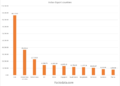
Most advanced competitor finder tools offer side-by-side charts showing the proportion of traffic from organic search competitors versus ppc competitors for each listed domain. Manual checks take longer but offer flexibility in filtering by product line or region. Below is an example comparison table for hypothetical sites