A boiler line starts showing inconsistent pressure. A hydraulic system runs a little below where it should. A pump cycle more often than usual. Operators make adjustments. Maintenance teams take a look around. Everyone figures the problem is somewhere else, and the day keeps moving. Sometimes it’s a lot simpler. The pressure reading is just wrong.
Plants, refineries, utility systems, and processing facilities across the U.S. all count on their instrumentation to give them reliable information. Every day, without fail. But here’s the thing: pressure measurement devices tend to get treated like furniture. They’re there, they’ve always been there, and nobody thinks much about them until something goes wrong. That’s a problem.
Good pressure gauges do a lot more than display numbers. They help keep systems safe, protect equipment from unnecessary wear, cut unplanned downtime, and keep facilities compliant. Ignoring them? That gets expensive fast.
Why Pressure Measurement Actually Matters
Industrial systems run on balance. Pipelines, compressors, pumps, boilers, hydraulic equipment, and process vessels; all of it operates within specific pressure ranges. Step outside those ranges and performance changes right away.
Too much pressure brings rupture risks, leaks, and equipment stress. Too little, and efficiency drops, production gets interrupted, and product quality takes a hit.
That’s where pressure gauges shift from being passive background equipment to actual working tools. They give operators real visibility into what’s happening inside a system and help maintenance teams catch problems before anything breaks down.
Safety Starts With Measuring Right
Industrial safety talks usually centers on procedures, protective gear, and compliance programs. Instrumentation doesn’t always make it into that conversation. It really should.
A lot of incidents trace back to abnormal operating conditions that went unnoticed for too long. Bad readings delay action. Unsafe situations build slowly and quietly until they can’t be ignored.
Think about a pressurized vessel running past its intended limit because the gauge reading is off. Operators keep working normally. Internal stress keeps building. By the time something gives, you’re looking at equipment damage, production shutdowns, potential safety incidents, environmental exposure, and emergency repair bills that nobody budgeted for.
Reliable gauges reduce that risk. They give operators information they can actually act on, especially when decisions need to happen fast.
And with regulatory oversight tightening across U.S. industries, accurate monitoring also feeds into inspection readiness and documentation. Safety isn’t just about responding correctly when things go wrong. It’s about measuring correctly so you know when something’s going wrong in the first place.
Downtime Is Expensive. It’s Also Often Avoidable.
Unplanned shutdowns are one of the highest hidden costs in industrial operations. They throw off production schedules, labor plans, maintenance budgets, and customer commitments all at once.
What’s frustrating is that most failures leave clues. Pressure fluctuations tend to show up well before major mechanical issues do.
A failing pump might start creating pressure instability. A blocked line increases resistance and shifts readings noticeably. Valve problems change flow conditions. When monitoring systems pick up on these shifts early, maintenance can happen on a schedule rather than in a panic.
That’s a big reason more facilities are building instrumentation reviews into their broader efficiency work. Catching operational changes earlier means better-planned interventions, fewer large disruptions, and less money spent on reactive repairs. Fewer failures, better use of resources. It’s not complicated.
The Technology Has Come a Long Way
Facilities today expect a lot more from their measurement systems than a needle pointing at a number.
Gauge design has genuinely improved across durability, reliability, and performance in specific applications. Modern options are built to handle corrosive environments, high-vibration conditions, temperature swings, chemical processing, and hygienic production requirements.
That matters because industrial environments aren’t gentle. Equipment has to hold up under real-world conditions day after day, not just look good during installation. Choosing instrumentation that fits the actual environment it’ll live in makes a real difference over the long run.
Wrapping Up
Industrial performance comes down to one thing pretty often: knowing what’s happening inside the system before something goes wrong.
Without accurate measurement, keeping operations safe and running smoothly gets harder. Teams end up reacting instead of staying ahead. And that usually costs time, money, or both.
Reliable pressure gauges help operators spot changes early. A pressure shift here. A reading that looks slightly off there. Small things, honestly. But those small things can turn into unplanned shutdowns, equipment stress, or maintenance headaches if nobody catches them in time.
Most facilities already spend a lot of effort watching pumps, motors, and production targets. Instrumentation sometimes gets pushed into the background. It probably shouldn’t.
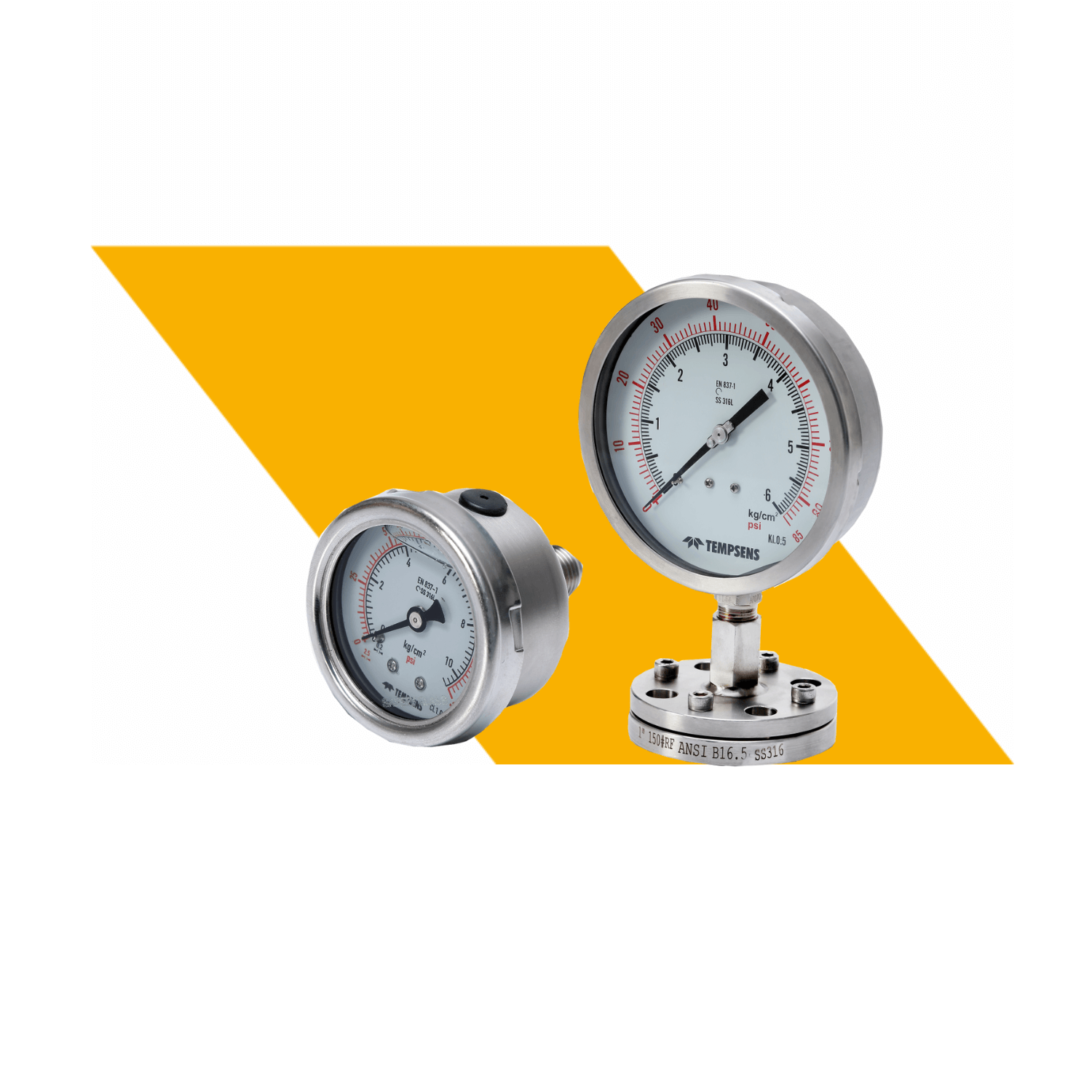
As safety expectations tighten across U.S. industries and downtime becomes harder to absorb, measurement devices deserve a closer look. Tempsens builds industrial pressure gauges for facilities that need dependable readings in demanding operating conditions, whether that’s manufacturing lines, utilities, or process industries operating in harsher environments.