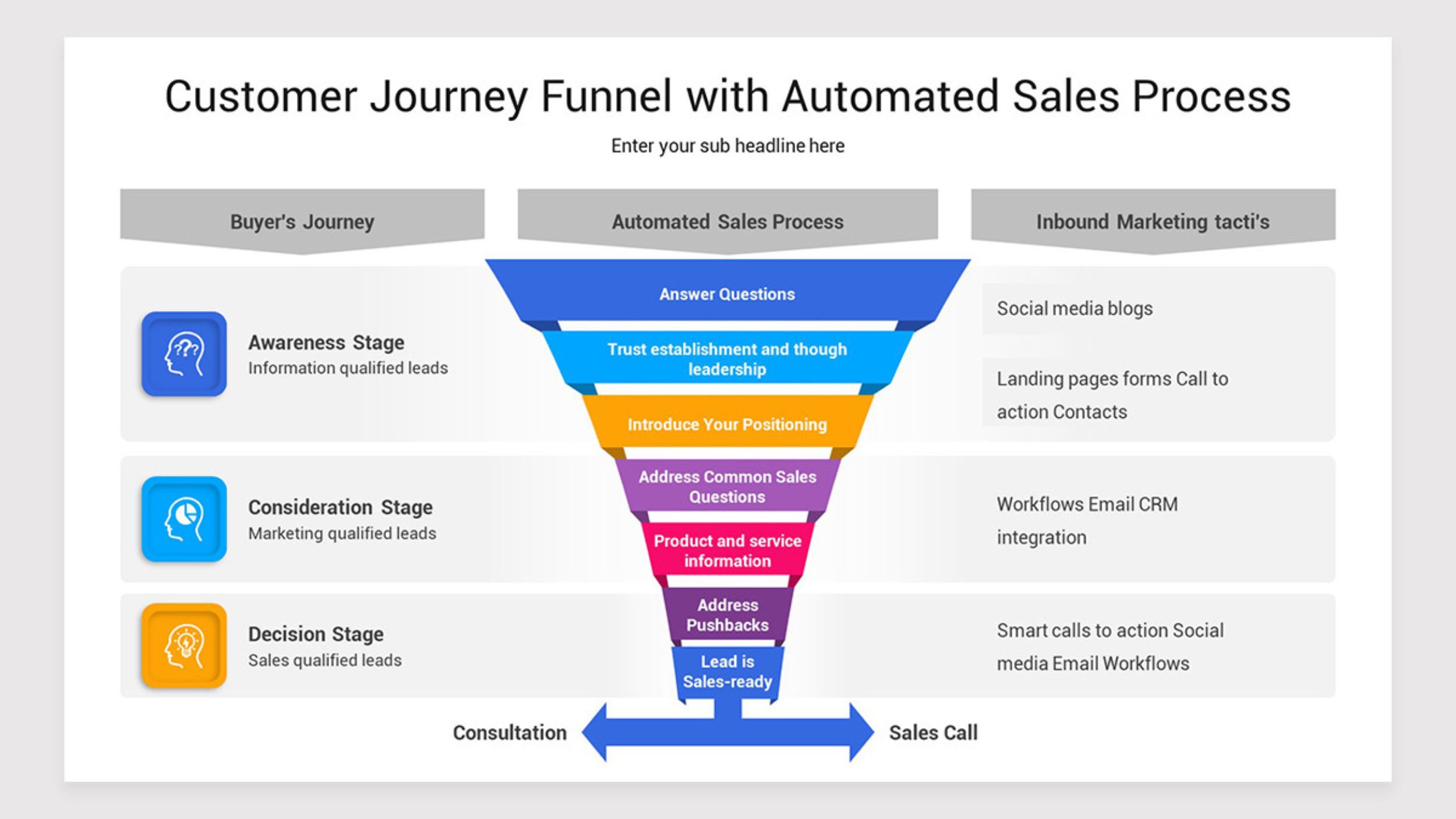
For years, marketers have relied on the classic funnel to explain how customers move from awareness to purchase. But today’s customers don’t behave in straight lines—they jump between channels, revisit decisions, abandon carts, return weeks later, and switch devices without warning. The funnel simply can’t keep up. That’s why lifecycle marketing agencies are stepping in with a new approach that mirrors how people really behave. Instead of chasing one-time conversions, they build long-term, value-driven relationships across every touchpoint. This article explores how these agencies are rewriting the customer journey playbook, helping brands evolve from funnel thinking to customer-first, lifecycle-led growth.
Funnels Are Flat—Real Customer Journeys Aren’t
Traditional funnels treat customers like they move in one clean direction, but today’s buyers take a much messier path. Someone might discover a brand through Instagram, compare options on YouTube, check prices on their laptop, and finally buy through an email offer days later. With so many touchpoints, the funnel can’t explain what’s really happening. A lifecycle marketing agency fixes this by tracking actual behavior instead of assuming a simple path. They look at signals such as repeat visits, drop-off points, and re-engagement triggers to understand how people really shop and interact. This gives brands a flexible, real-time picture of their customers—one that changes and grows, just like the journey itself.
Your Data Tells a Story—Lifecycle Marketers Know How to Read It
Lifecycle marketing agencies don’t just look at basic numbers like sign-ups or clicks. They study deeper signals—how often people use a product, which features they prefer, when they start losing interest, and what makes them come back. For example, if a group of users stops opening emails after week two, agencies use cohort analysis to find out why. They also connect data from email, website visits, ads, and purchase history to build one clear customer view. With tools like predictive scoring and lifecycle segmentation, they can spot who’s likely to buy again or who might churn soon. This helps brands act at the right moment with meaningful, personalized messages.
Breaking Silos: When Email, SMS, Paid & Product Finally Work Together
Many brands run email, SMS, ads, and product messages separately, which leads to confusing customer experiences. A person might get a discount email, then a totally different SMS, and then an unrelated ad. Lifecycle marketing agencies fix this by connecting all channels into one smooth system. For example, if a user leaves items in their cart, they might first see an email reminder, then a helpful SMS, and later a personalized ad—each message timed based on their behavior. Agencies design journeys where every touchpoint supports the next. Instead of focusing on channels, they focus on the customer, making sure messages feel consistent no matter where the interaction happens.
From Campaigns to Moments: Why Timing Beats Frequency Every Time
Old-school marketing sends the same message to everyone on a schedule, but lifecycle marketing agencies know timing matters more than volume. Instead of blasting weekly emails, they focus on “micro-moments”—small actions that reveal what a customer needs right now. For example, if someone browses running shoes, they might instantly get a helpful product guide. If a user completes their first order, they may receive a thank-you message and tips for using the product. And if someone hasn’t opened the app in a while, a gentle nudge appears before they disappear for good. Agencies build automated journeys using behavior triggers and intent signals so every message feels timely, personal, and valuable.
Retention Is the New Acquisition—and Lifecycle Agencies Treat It Like One
Lifecycle marketing agencies know that keeping customers is cheaper—and often more profitable—than constantly finding new ones. Instead of treating retention as an afterthought, they build systems that turn first-time buyers into long-term fans. For example, they design onboarding flows that teach customers how to get value fast, set up win-back messages when someone goes quiet, and create VIP programs that reward loyal shoppers with early access or special perks. These agencies also track churn signals, like declining usage or skipped purchases, and act before customers drift away. By focusing on loyalty loops and lifetime value, they turn retention into a true growth engine—not just a stage at the bottom of a funnel.
Growth That Doesn’t Break When You Scale: The Lifecycle Advantage
Many brands grow fast and then hit a wall because their marketing depends on one-off campaigns that can’t keep up. Lifecycle marketing agencies fix this by building systems that improve themselves over time. They use constant testing, automation, and real-time feedback to see what works and adjust quickly. For example, an onboarding flow might be A/B tested every month to raise activation rates, or a loyalty program might evolve as customers’ needs change. Instead of pushing bigger budgets into fragile funnels, lifecycle marketers create repeatable, scalable engines that get smarter as the business grows. The result is growth that’s steady, predictable, and strong enough to support long-term success.
Conclusion
The future of marketing belongs to brands that move beyond pushing customers through rigid stages and instead nurture them through fluid, ever-evolving journeys. Lifecycle marketing agencies are leading this shift by transforming how businesses understand, engage, and retain their audiences—using deeper data insights, unified channel orchestration, retention-first strategies, and scalable growth systems. They replace guesswork with intelligence, silos with cohesion, and short-term wins with sustainable customer value. In this new playbook, success isn’t defined by how many people enter the funnel, but by how many stay, grow, and advocate for the brand over time. Companies that embrace lifecycle marketing aren’t just improving performance—they’re building stronger, more loyal customer communities that last.