Introduction
Cooling systems have become an essential part of modern living, especially in regions where high temperatures and humidity levels make indoor comfort difficult without mechanical cooling. Whether used in homes, offices, retail spaces, or industrial environments, air conditioners play a critical role in maintaining livable conditions, protecting electronic equipment, and supporting productivity. However, like any mechanical system that runs for long hours under constant load, air conditioners naturally experience wear and performance decline over time.
When a cooling system begins to lose efficiency, it does not usually fail all at once. Instead, performance issues develop gradually in the form of reduced cooling, higher electricity consumption, uneven airflow, or unusual noises. These early warning signs are often ignored until the system completely breaks down. In reality, timely attention and professional service can prevent most major failures and significantly extend system life. This is where ac repair becomes an essential part of responsible system ownership rather than a reactive emergency solution.Understanding how cooling systems function, what causes failures, and how professional repair services restore efficiency helps property owners make smarter decisions. Instead of treating air conditioning as a “fix when it breaks” system, modern maintenance approaches focus on prevention, optimization, and long-term performance stability.
How Air Conditioning Systems Work in Real Conditions
An air conditioning system operates on a continuous heat transfer cycle. Warm indoor air is drawn into the system, passed over evaporator coils filled with refrigerant, and cooled before being redistributed back into the space. The absorbed heat is then released outside through the condenser unit. This process repeats continuously to maintain a stable indoor temperature.
While the concept appears simple, the system depends on a delicate balance of mechanical, electrical, and chemical processes. Refrigerant pressure levels must remain stable, airflow must be unrestricted, and components such as compressors and fans must operate in sync. Even a minor imbalance in one part of the system can disrupt the entire cooling cycle.For example, if airflow becomes restricted due to dirty filters, the evaporator coil may freeze. If refrigerant levels drop due to a leak, cooling efficiency decreases significantly. If electrical components begin to fail, the system may short cycle or shut down completely. These interconnected dependencies explain why cooling systems require expert diagnosis rather than guesswork repairs.
Early Warning Signs of Cooling System Problems
Most air conditioning failures do not happen suddenly. Instead, they develop over time, giving clear warning signs that something is wrong. Recognizing these signs early can prevent expensive breakdowns and system replacements.One of the most common indicators is weak cooling performance. When the system runs but fails to maintain the desired temperature, it often signals issues such as refrigerant imbalance, dirty coils, or restricted airflow. Another common issue is inconsistent cooling, where some rooms feel comfortable while others remain warm.Rising electricity bills are also a strong indicator of inefficiency. When a system struggles to operate, it consumes more power to deliver the same output. This often goes unnoticed until utility costs increase significantly.
Unusual noises such as grinding, buzzing, or rattling often indicate mechanical wear or loose internal components. Similarly, unpleasant odors from vents may suggest mold growth or accumulated dust inside the system. Water leakage around indoor units is another sign of drainage blockage or coil freezing.These symptoms should not be ignored, as they usually indicate underlying problems that require professional attention. Delaying service often leads to more serious damage and higher repair costs.
Why Professional AC Repair Is Essential
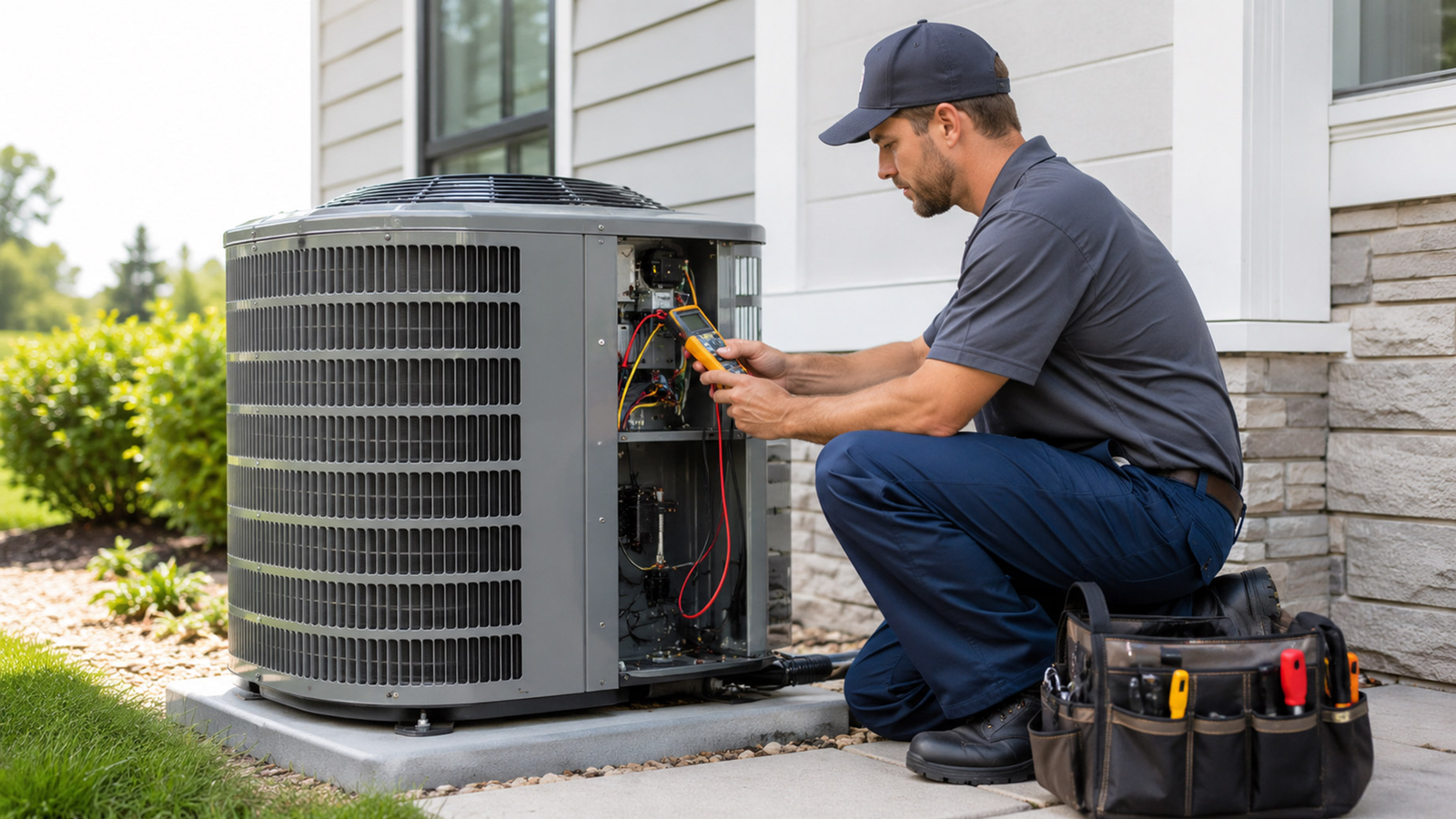
Air conditioning systems are complex and require technical expertise to diagnose and repair correctly. While minor maintenance tasks like cleaning filters can be handled by property owners, most repairs involve electrical systems, refrigerants, and mechanical components that require trained professionals.A skilled technician does more than just fix visible symptoms. They analyze the entire system to identify the root cause of the issue. For example, low cooling performance may not always be caused by low refrigerant; it could also result from airflow restrictions, compressor inefficiency, or sensor malfunctions. Without proper diagnosis, repairs may only provide temporary relief.
Safety is another critical reason to rely on professionals. Air conditioners operate using high-voltage electrical components and pressurized refrigerants. Incorrect handling can lead to electrical hazards, system damage, or environmental risks. Professional technicians are trained to handle these systems safely and according to industry standards.Additionally, manufacturers often require certified service for warranty protection. Unauthorized repairs can void warranties and lead to additional costs in the future. Professional service ensures compliance with these requirements while maintaining system integrity.
Common Issues That Require Expert Repair
Cooling systems can experience a wide range of technical problems, many of which require specialized tools and knowledge to resolve.Refrigerant leaks are among the most serious issues. Refrigerant is essential for heat exchange, and even a small leak can significantly reduce cooling efficiency. Repairing this issue involves detecting the leak, sealing it, and recharging the system to the correct level.
Electrical faults are also common, especially in older systems. Faulty capacitors, damaged wiring, or failing control boards can prevent the system from starting or cause intermittent operation. These issues require careful testing and replacement of components.Compressor problems are another major concern. The compressor is the heart of the system, and its failure often leads to complete system shutdown. Repairing or replacing a compressor requires technical precision and experience.Drainage issues can also cause water leakage and system shutdowns. Blocked drain lines prevent condensation from exiting the system, leading to overflow and potential water damage.Each of these issues highlights why professional ac repair is necessary for long-term system reliability and performance.
The Role of Maintenance in Reducing Repair Costs
Preventive maintenance plays a major role in reducing the frequency and severity of repairs. A well-maintained air conditioning system operates more efficiently, lasts longer, and is less likely to experience sudden breakdowns.During maintenance, technicians inspect and clean critical components such as filters, coils, fans, and drain lines. They also check refrigerant levels, test electrical connections, and evaluate system performance. These routine checks help identify minor issues before they escalate into major problems.
For example, a slightly dirty coil may not immediately affect performance, but over time it reduces heat exchange efficiency and forces the system to work harder. Cleaning the coil during maintenance prevents this issue from developing further.Regular maintenance also improves indoor air quality. Dust, allergens, and microbial buildup inside the system can circulate through the air if not properly cleaned. Maintenance ensures cleaner airflow and a healthier indoor environment.
Energy Efficiency and Cost Optimization
Energy consumption is one of the biggest concerns for property owners using air conditioning systems. When systems operate inefficiently, they consume more electricity and increase monthly expenses.Proper ac repair helps restore system efficiency by addressing issues that cause energy loss. Fixing refrigerant leaks, cleaning coils, restoring airflow, and replacing faulty components all contribute to improved energy performance.
In many cases, a repaired system can perform almost like new, reducing electricity consumption significantly. This makes repair services not only a comfort solution but also a financial investment.Upgrading old components during repair can further improve efficiency. Modern parts are often designed to consume less energy while delivering better performance. This helps reduce long-term operational costs and environmental impact.
Indoor Air Quality and Health Benefits
Air conditioning systems do more than regulate temperature; they also affect indoor air quality. A poorly maintained system can circulate dust, allergens, and pollutants throughout the space, negatively affecting health.When filters become clogged or coils accumulate dirt, airflow is restricted and contaminants build up inside the system. This can lead to respiratory discomfort, allergies, and unpleasant odors indoors.
Professional repair and servicing help eliminate these issues by thoroughly cleaning internal components and restoring proper airflow. In some cases, technicians may also recommend air purification upgrades or improved filtration systems.Maintaining good air quality is especially important in closed indoor environments where natural ventilation is limited. A properly functioning cooling system contributes to a healthier and more comfortable living space.
Choosing the Right AC Repair Service
Selecting the right technician or service provider is essential for achieving reliable results. Experience is one of the most important factors because skilled technicians can quickly identify complex issues and provide effective solutions.Certification and technical training are also important. Modern cooling systems use advanced technology that requires proper knowledge of electrical systems, refrigerants, and digital controls. Certified professionals are better equipped to handle these systems safely.Reputation and customer feedback provide additional insight into service quality. Reliable providers typically have consistent positive reviews and proven track records of successful repairs.
Transparent pricing and clear communication are also essential. A trustworthy technician will explain the problem, outline repair options, and provide cost estimates before beginning work. This helps avoid unexpected charges and builds customer trust.
The Future of Cooling Systems and Smart Technology
Cooling technology continues to evolve rapidly, with modern systems becoming more energy-efficient and intelligent. Smart thermostats, automated climate control, and remote monitoring systems are increasingly common in both residential and commercial environments.These technologies allow users to control temperature settings more precisely while optimizing energy consumption. Some systems can even detect performance issues early and alert users before a breakdown occurs.Environmentally friendly refrigerants are also being introduced to reduce environmental impact. These advancements reflect a growing focus on sustainability and energy conservation in HVAC design.As systems become more advanced, the need for professional expertise will continue to grow. Skilled technicians will play a key role in installation, diagnostics, and system optimization.
Conclusion
Air conditioning systems are essential for maintaining comfort, productivity, and indoor air quality in modern buildings. However, their performance depends heavily on proper care, timely maintenance, and expert intervention when problems arise.
Professional ac repair services ensure that cooling systems continue to operate efficiently, safely, and reliably. By addressing issues early, restoring system performance, and improving energy efficiency, expert technicians help extend equipment lifespan and reduce long-term costs.In a world where comfort and energy efficiency are increasingly important, investing in proper repair and maintenance is not just a necessity, it is a long-term strategy for smarter, more sustainable living.