Understanding Trijicon Optics in the Used Market
When you’re looking at Trijicon Optics, especially on the used market, it’s good to know what makes them tick and why people want them. Trijicon has built a solid name for itself over the years, making gear that’s known for being tough and reliable. This reputation means that even used Trijicon scopes and sights hold their value pretty well.
Why Trijicon Stands Out Among Premium Brands
Trijicon really carved out its niche with some unique tech. Think about their ACOG scopes, which have been around forever and seen a lot of action. They use a combination of fiber optics and tritium for illumination, meaning you don’t always need batteries. That’s a big deal when you’re out in the field and can’t swap out a dead battery. Plus, their stuff is generally built like a tank, using strong materials and good seals to keep the weather out. This focus on durability and innovative, battery-free illumination is a big part of why Trijicon Optics are so sought after, even when they’re not brand new.
Differences Between Used, Refurbished, and Counterfeit Optics
It’s important to know what you’re actually buying when you see a Trijicon optic for sale.
- Used: This means the optic has been previously owned and operated. It might have some cosmetic wear, like minor scratches on the housing, but the core functionality should still be sound. Think of it like a used car – it’s been driven, but it still runs.
- Refurbished: This usually implies the optic had a problem and was sent back to the manufacturer or a certified shop to be fixed. While it might work fine, it means there was an issue at some point. Sometimes, “refurbished” can be a bit of a gray area, so it’s good to know who did the work.
- Counterfeit: These are fakes. They look like the real deal but are made with cheap materials and poor quality control. They can fail when you need them most, and they’re a total waste of money. Spotting these is key, and we’ll get into that later.
Buying used doesn’t automatically mean lower quality. Often, a well-maintained used optic from a reputable brand like Trijicon has already proven its reliability through real-world use, having passed its initial “infant mortality” phase. This can make it a more dependable choice than a brand-new, untested unit from a less established maker.
Key Trijicon Models to Consider
When you’re browsing the used market for Trijicon Optics, a few models pop up frequently and are worth looking into:
- ACOG (Advanced Combat Optical Gunsight): The classic. These are fixed-magnification scopes known for their ruggedness and dual illumination system. They’re great for AR-style platforms and general use.
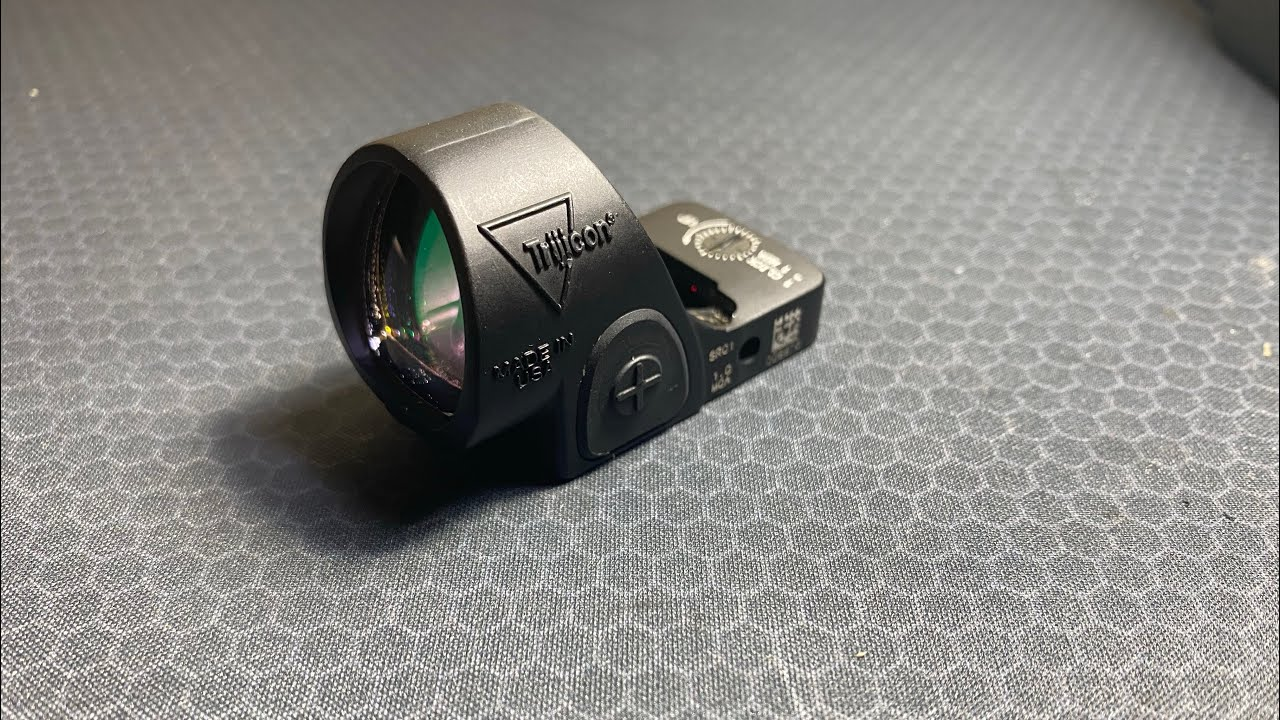
- RMR (Ruggedized Miniature Reflex): A popular red dot sight, often used on pistols but also great for carbines. It’s compact and tough.
- VCOG (Variable Combat Optical Gunsight): Trijicon’s take on a variable-power scope, offering more flexibility than the ACOG while still being built for hard use.
- AccuPoint: These scopes feature Trijicon’s battery-free illumination system, combining fiber optics and tritium, and offer variable magnification.
The Advantages of Buying Used Trijicon Optics
When you’re looking to get your hands on some top-tier Trijicon gear without emptying your wallet, the used market is a goldmine. It’s not just about saving a few bucks; buying quality used optics from a brand like Trijicon comes with some pretty sweet perks.
Cost Savings Without Compromising Quality
Let’s face it, new Trijicon optics are an investment. But here’s the thing: these things are built like tanks. They’re designed to handle serious abuse, from harsh weather to rough handling. So, when you buy a used Trijicon, you’re not getting a flimsy piece of equipment. You’re getting that same battle-tested durability and optical performance that Trijicon is known for, just at a much friendlier price point. You can often get a high-end model for significantly less than its original retail price. Think of it as getting a premium product that’s already proven itself in the field, but without the
How to Authenticate Genuine Trijicon Optics
Buying used Trijicon gear is a smart move, but you gotta make sure you’re getting the real deal. The market has gotten pretty crowded with fakes, and they can look surprisingly convincing. Nobody wants to spend good money on something that’s going to fail when it counts, right? So, let’s talk about how to spot a genuine Trijicon and avoid getting ripped off.
Serial Number Verification and Placement Tips
The serial number is your first line of defense. Every real Trijicon optic has one, and it’s usually located in a specific spot. For example, on an RMR, you’ll often find it in that little thumbnail-shaped cutout on the housing. On other models, it might be etched onto the main body. Always check the manufacturer’s website or contact their customer service to verify the serial number. They can tell you if it matches a real product and what model it’s supposed to be. Don’t just trust a sticker; fakes sometimes slap on fake numbers or even steal numbers from damaged genuine units. The engraving itself is important too. Real Trijicons have clean, deep etchings. If it looks shallow, smudged, or like it was just printed on, that’s a big red flag.
Physical Inspection: Engraving, Housing, and Finish
Beyond the serial number, you need to give the optic a good once-over. Genuine Trijicon products are built tough, usually from high-grade aluminum, and they have a durable, matte finish. Counterfeits often use cheaper materials and might have a glossy paint job that chips easily. Look closely at the engravings – are they crisp and well-defined, or do they look fuzzy and poorly done? Check the overall fit and finish. Everything should feel solid and well-put-together. There shouldn’t be any weird gaps or rough edges. Also, pay attention to the lens coatings. Real Trijicon glass is clear and has anti-reflective coatings. If the lens looks like a cheap mirror or has a noticeable color tint, it’s probably not the genuine article.
Red Flags: Counterfeit and Scam Warning Signs
There are a few other things that should make you pause. First off, the price. If a deal seems too good to be true, it probably is. High-end Trijicon optics hold their value, so a price that’s way below market average is a major warning sign. Also, be wary of sellers who only use stock photos and can’t provide clear pictures of the actual optic, especially the serial number. If a seller is pushing for payment via wire transfer or other untraceable methods, run the other way. Reputable sellers will use secure payment platforms. Finally, check reviews and feedback for the seller. A brand new seller suddenly listing multiple high-value optics is often a sign of a scammer trying to make a quick buck.
Evaluating the Condition and Performance of Used Trijicon Optics
So, you’ve found a used Trijicon optic that looks promising. That’s great! But before you hand over your cash, you need to do a little homework. Just because it’s a Trijicon doesn’t mean it’s perfect. We’re talking about gear that’s often seen some serious use, so a thorough check is a must.
Inspecting Glass Clarity and Coating Integrity
First things first, let’s talk glass. Hold the optic up to a light source and look through it. You’re looking for any scratches, chips, or deep cleaning marks. Minor scuffs from a cleaning cloth might be okay, but anything that looks like it could actually affect your sight picture is a no-go. Also, check the coatings. These are usually a faint purplish or greenish tint. If they look worn off, hazy, or have weird splotches, that’s not good. It means light transmission might be compromised, and colors could look off.
Checking Illumination Systems: Tritium and Fiber-Optics
This is where Trijicon really shines, but it’s also a key area to inspect on a used model. For their tritium-based systems (like on many ACOGs), remember that tritium has a half-life of about 12 years. This means the glow will fade over time. You need to check how bright the reticle is in low light. If it’s barely visible or completely dark, the tritium is likely spent, and while the optic might still be usable with fiber optics, you’re losing a major feature. For fiber-optic systems, make sure the fiber is intact and not damaged. Shine a bright light on it to see how well it gathers and transmits light.
Assessing Turrets, Seals, and Mechanical Function
Give the adjustment turrets a spin. Do they click positively? Do they feel mushy or gritty? You want to feel distinct, repeatable clicks. If they feel loose or don’t seem to move the reticle accurately, that’s a red flag. Also, check the seals. Look for any signs of damage around the adjustment caps or eyepiece. While you can’t easily test waterproofing on the spot, any visible damage to the seals suggests it might not be as protected from the elements as it should be. A quick twist of the magnification ring (if it has one) should also feel smooth and consistent.
Matching Trijicon Optics to Your Shooting Discipline
When you’re looking at used Trijicon optics, figuring out which one fits your needs is pretty important. It’s not just about getting a good deal; it’s about getting the right tool for the job. Trijicon makes a lot of different scopes, and they’re all built tough, but they really shine in different areas.
Best Choices for Tactical and Duty Use
For anyone needing an optic for tactical situations or everyday duty, you want something that’s incredibly robust and simple to use. Trijicon’s RMR and MRO red dot sights are fantastic for this. They’re small, tough, and designed for fast target acquisition.
- RMR (Ruggedized Miniature Reflex): Known for its durability and compact size, it’s great for handguns and carbines. Its unique housing shape helps deflect impacts.
- MRO (Moveable Reticle Optic): Offers a larger viewing area than the RMR, making it easier to pick up targets quickly. It also boasts excellent battery life.
- ACOG (Advanced Combat Optical Gunsight): While fixed power, the ACOG is legendary for its ruggedness and battery-free illumination. It’s a solid choice if you need magnification and absolute reliability without worrying about batteries.
The key here is simplicity and durability. You don’t want a complex system failing when you need it most.
Top Picks for Precision and Long-Range Shooting
If you’re into precision shooting or hitting targets at longer distances, magnification and clear reticles are your best friends. Trijicon really steps up here with their magnified scopes.
- Credo and VCOG (Variable Combat Optical Gunsight) Series: These are Trijicon’s Low Power Variable Optics (LPVOs). They offer variable magnification, allowing you to switch from close-range engagement to longer-range precision. The glass quality is top-notch, providing a clear, bright image.
- AccuPoint Series: These scopes use Trijicon’s fiber-optic and tritium illumination system, meaning you get a bright reticle in daylight and a glowing one in low light, all without batteries. They come in various magnifications suitable for medium to long-range work.
When looking at used models, pay close attention to the reticle design. Trijicon offers several, including Bullet Drop Compensators (BDCs), which are super helpful for long-range accuracy. Make sure the reticle is clear and the magnification adjustments are smooth.
Recommendations for Hunters and Outdoorsmen
For hunters and general outdoor use, you need an optic that’s reliable, offers good light gathering, and isn’t excessively heavy. Trijicon’s offerings can fit the bill nicely.
- AccuPoint Scopes: Again, the battery-free illumination is a huge plus for hunters who might be out for days without a chance to change batteries. The clear glass helps in low-light dawn and dusk hunting conditions.
- Hunting-Specific LPVOs: Some of Trijicon’s variable scopes are designed with hunters in mind, offering a good balance of magnification range and field of view.
When buying used for hunting, check for cosmetic wear. While Trijicon optics are tough, excessive dings or scratches might indicate rough use. However, remember that minor cosmetic issues rarely affect optical performance. As RKB Armory often points out, the internal mechanics are what truly matter for long-term function.
Choosing the right Trijicon optic for your specific needs is about matching the scope’s strengths to your shooting style and environment. Don’t just buy the cheapest used option; consider what you’ll be doing with it most often. A tactical red dot won’t serve a long-range precision shooter well, and a high-magnification scope can be cumbersome for close-quarters work.
Maximizing Your Return When Selling Used Trijicon Optics
So, you’ve decided it’s time to part ways with your trusty Trijicon optic. Maybe you’re upgrading, or perhaps it’s just time for a change. Whatever the reason, selling a quality used optic like a Trijicon can actually put a decent chunk of change back in your pocket. These things hold their value remarkably well, which is great news for sellers. It’s not just about getting rid of something; it’s about getting a fair price for a piece of gear that’s built like a tank.
Preparing Optics for Sale: Cleaning and Accessories
First things first, presentation matters. Nobody wants to buy something that looks like it’s been through a war, even if it has and still works perfectly. A little elbow grease goes a long way here. You’ll want to give the exterior a good wipe-down. Use a soft, lint-free cloth and maybe some mild cleaner specifically made for optics or firearms. Pay attention to the nooks and crannies where dirt can hide. For the lenses, a proper lens cleaning kit is your best friend. Gently brush away any dust, then use a lens solution and a clean microfiber cloth to get them crystal clear. The goal is to make it look as close to new as possible, without trying to hide any actual wear.
Don’t forget the extras. If you still have the original box, manuals, lens caps, adjustment tools, or any other bits that came with it when you bought it new, gather them all up. These accessories add perceived value and make the buyer feel like they’re getting a more complete package. It shows you took care of the optic and its components.
Photographing and Describing Condition Accurately
This is where you build trust with potential buyers. Good photos are non-negotiable. Use natural light if you can, and take pictures from multiple angles. Get close-ups of the lenses, the body, the turrets, and any adjustment mechanisms. If there are any cosmetic blemishes – like ring marks on the tube from the scope mount, or minor scuffs on the housing – photograph them clearly. Honesty here prevents headaches later. A buyer who knows exactly what they’re getting is less likely to have issues or try to return the item.
When you write the description, be straightforward. Mention the model, its general condition, and any specific features. Detail the cosmetic wear you photographed. For Trijicon optics with tritium illumination, it’s important to mention the approximate age of the optic and the expected brightness of the tritium. While it might have faded a bit, it’s still a functional part of the optic’s design. Mentioning things like “glass is clear and free of scratches,” “turrets track precisely,” and “illumination system functions” gives buyers confidence.
Finding Trusted Buyers and Avoiding Market Pitfalls
Selling directly to consumers on online forums or auction sites can sometimes get you the highest price, but it also comes with risks. You have to deal with potential low-ball offers, tire-kickers, and the hassle of shipping. Scammers are also out there, so be wary of unusual payment requests or buyers who seem too eager to close the deal without asking many questions.
Consider selling to a reputable dealer who specializes in used optics. While you might not get quite as much as you would selling privately, you often get a faster sale, a guaranteed payment, and less hassle. These dealers know the market value of Trijicon optics and can offer a fair price. They also handle the logistics of shipping and customer service, taking a lot of the burden off your shoulders. It’s a trade-off between maximizing every last dollar and having a smooth, secure transaction.
The Unique Technology Behind Trijicon Optics
Battle-Proven Durability and Build Materials
Trijicon doesn’t mess around when it comes to making their optics tough. They use some seriously rugged materials, like the 7075-T6 forged aluminum that goes into housings for popular models like the RMR and MRO. This stuff is strong but also light, which is a big deal when you’re carrying gear around. Think about the ACOG, too – it’s practically legendary for being almost indestructible. This military background means these optics are built to handle way more than just a casual day at the range. They’re designed to keep working no matter what you throw at them.
Dual Illumination: Tritium and Fiber-Optic Systems
One of the coolest things Trijicon does is their dual illumination system. It’s pretty neat because it means you don’t always need batteries. In models like the ACOG and AccuPoint, they use fiber optics to grab light during the day and tritium, which is a radioactive element that glows on its own, for when it gets dark. This means your reticle is visible in pretty much any lighting condition without you having to fiddle with buttons or worry about a battery dying at the worst possible moment. It’s a really reliable way to make sure you can always see your target.
- Daytime: Fiber optics collect ambient light, making the reticle bright and clear.
- Low-Light: Tritium provides a constant, self-powered glow.
- No Batteries Required: This system works independently of external power sources.
Environmental Sealing for Lifetime Use
To make sure these optics last a lifetime, Trijicon puts a lot of effort into sealing them up tight. Many of their scopes are filled with nitrogen, which stops them from fogging up on the inside. They’re also built to be waterproof, with some models even being submersible. This kind of sealing is super important because it keeps moisture and dust out, protecting the internal parts and the glass. When an optic is sealed this well, it’s going to keep performing reliably for years, which is why they hold their value so well, even when bought used.
The focus on robust construction and innovative, battery-free illumination isn’t just about making a good product; it’s about creating an optic that’s a dependable tool, ready for whatever challenges lie ahead, whether that’s a combat zone or a remote hunting trip.
Frequently Asked Questions
Is it safe to buy used Trijicon optics?
Yes, buying used Trijicon optics is usually safe if you check for authenticity and buy from a trusted seller. Trijicon products are made to last and can work well for many years, even after being owned by someone else.
How can I tell if a Trijicon optic is real or fake?
To spot a genuine Trijicon optic, look for a clear serial number in the correct place, check that the engravings are deep and neat, and make sure the finish looks high-quality. If you are unsure, you can contact Trijicon with the serial number for help.
Do used Trijicon optics still have a warranty?
Trijicon offers a limited lifetime warranty for the original buyer, but sometimes they will help with repairs or service even if you are not the first owner. The tritium warranty usually lasts 10-15 years from when the optic was made.
What should I check when buying a used Trijicon optic?
You should inspect the glass for scratches, make sure the reticle is bright, check that all buttons and dials work, and look at the body for any big dents or damage. Also, ask for clear photos and the serial number before you buy.
Why do Trijicon optics keep their value so well?
Trijicon optics are known for being tough and reliable. Because they last a long time and are trusted by many shooters, people are willing to pay good prices for them, even when they are used.
Can I get support from Trijicon if I have a problem with a used optic?
Even if you are not the first owner, Trijicon is known for great customer service. If you have a problem, you can contact them, and they may be able to help you with repairs or advice.