Introduction
The exterior of a property creates the first impression for visitors, neighbors, and potential buyers. Among the many elements that contribute to a property’s appearance and functionality, the driveway plays a major role. A well-designed driveway not only provides a safe and durable surface for vehicles but also enhances the overall visual appeal of the property. In modern landscape design, driveway pavers have become one of the most popular choices for homeowners seeking a combination of durability, beauty, and long-term value.
Unlike traditional concrete or asphalt surfaces, paver driveways offer flexibility in design, superior strength, and easier maintenance. Available in a variety of colors, textures, shapes, and patterns, pavers allow homeowners to create customized outdoor spaces that complement the architectural style of their homes. Whether used for residential driveways, pathways, or outdoor living areas, pavers provide a premium appearance while delivering exceptional performance under daily use.
As outdoor design trends continue to evolve, more property owners are recognizing the benefits of investing in professionally installed paver systems. Understanding how paver driveways work, their advantages, installation process, and maintenance requirements can help homeowners make informed decisions that enhance both aesthetics and functionality.
Understanding Driveway Paver Systems
Driveway paver systems consist of individual paving units installed over a carefully prepared foundation. These units are commonly made from concrete, natural stone, clay brick, or composite materials. Unlike poured concrete slabs, pavers are installed piece by piece, creating an interlocking surface that distributes weight evenly across the entire driveway.
The strength of a paver driveway comes not only from the individual pavers themselves but also from the underlying base structure. A properly constructed foundation typically includes layers of compacted gravel and sand that provide stability, drainage, and support. This layered system allows the driveway to withstand heavy vehicle traffic while minimizing the risk of cracking or shifting.
One of the most appealing characteristics of pavers is their versatility. They can be arranged in numerous patterns and styles, allowing homeowners to achieve unique designs that enhance the overall landscape. This flexibility makes pavers suitable for both traditional and contemporary property designs.
Why Homeowners Prefer Paver Driveways
Homeowners choose paver driveways for several reasons, with durability being one of the most significant. Unlike traditional concrete surfaces that may crack over time due to temperature fluctuations or ground movement, paver systems are designed to flex slightly without sustaining major damage.
Another reason for their popularity is aesthetic appeal. Pavers offer a high-end appearance that instantly elevates curb appeal. The variety of available colors, shapes, and textures allows homeowners to create personalized designs that reflect their style preferences.
Maintenance is also relatively simple compared to other driveway materials. If a section becomes damaged, individual pavers can often be replaced without affecting the surrounding surface. This reduces repair costs and preserves the overall appearance of the driveway.
In addition, paver driveways often increase property value because they are viewed as a premium landscaping feature. Their attractive appearance and long lifespan make them a worthwhile investment for homeowners seeking both functionality and visual enhancement.
Different Types of Pavers for Driveways
Selecting the right type of paver is an important step in designing a driveway. Concrete pavers are among the most common options due to their affordability, durability, and wide range of design possibilities. They can mimic the appearance of natural stone while providing excellent structural performance.
Clay brick pavers offer a timeless and classic appearance. Their rich color and traditional aesthetic make them a popular choice for homes with historic or elegant architectural styles. Brick pavers are known for their durability and resistance to fading.
Natural stone pavers provide a luxurious and distinctive appearance. Materials such as granite, limestone, travertine, and slate create unique textures and color variations that add character to outdoor spaces. While natural stone may have a higher initial cost, its beauty and longevity often justify the investment.
Composite and permeable pavers are also becoming increasingly popular due to their environmental benefits. These materials promote water infiltration, helping reduce runoff and improve drainage performance.
Benefits of Professional Installation
The performance and longevity of a paver driveway depend heavily on proper installation. While pavers themselves are highly durable, inadequate preparation or poor workmanship can lead to shifting, settling, and drainage issues over time.
Professional installers begin by evaluating the site conditions, including soil composition, slope, drainage requirements, and expected traffic loads. This assessment ensures that the driveway is designed to perform effectively under real-world conditions.
The installation process includes excavation, base preparation, compaction, sand leveling, paver placement, edge restraint installation, and final joint filling. Each step must be completed with precision to ensure structural stability and long-term performance.
Homeowners seeking reliable outdoor improvements often rely on professional services such as driveway pavers installation to ensure that every aspect of the project is completed according to industry standards and best practices.
The Importance of Proper Base Preparation
A strong foundation is essential for any successful paver driveway. The base layer supports the surface and prevents movement caused by vehicle traffic, weather conditions, and soil changes.
The installation process typically begins with excavation to remove existing materials and create sufficient depth for the base layers. Crushed stone or gravel is then added and compacted in layers to create a stable foundation.
Proper compaction is critical because it eliminates air pockets and minimizes future settling. A leveling layer of sand is then applied to create a smooth surface for paver placement.
Without adequate base preparation, even the highest-quality pavers may experience performance issues over time. This is why professional installation and proper site preparation are essential for long-term success.
Design Possibilities and Customization Options
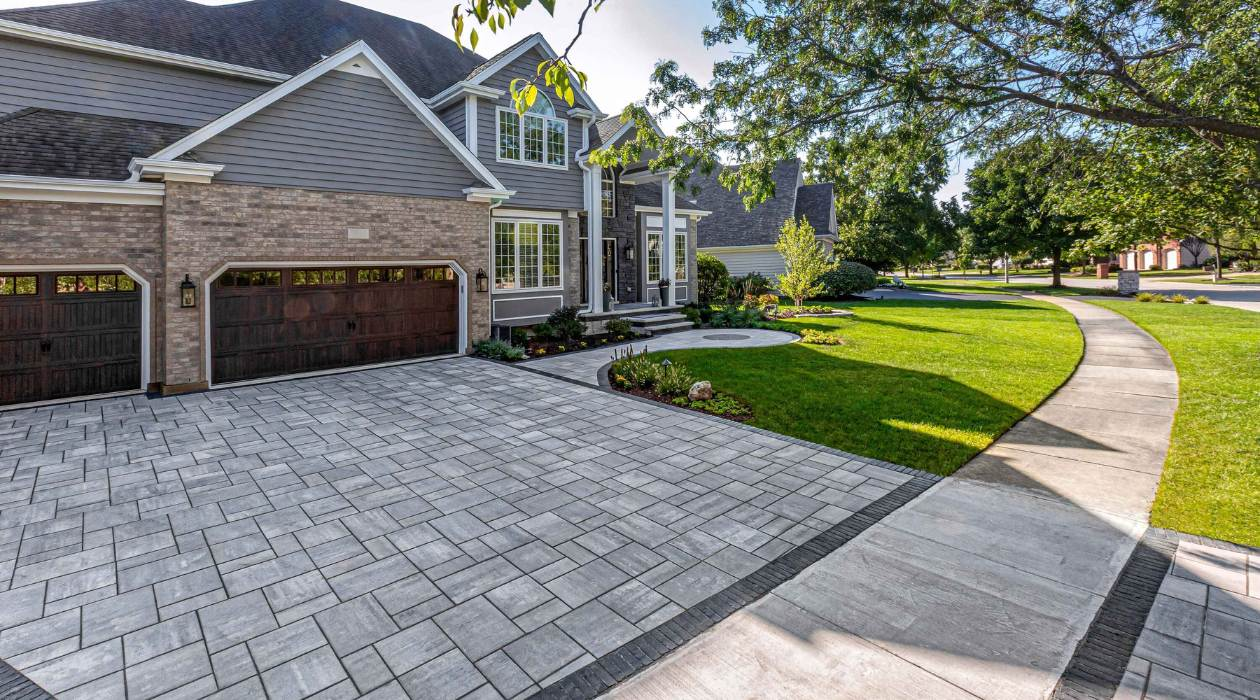
One of the most attractive features of paver driveways is the ability to customize their appearance. Homeowners can choose from numerous patterns, including herringbone, basket weave, running bond, and circular designs.
Color selection also plays a major role in the final appearance of the driveway. Neutral tones create a classic and timeless look, while contrasting colors can highlight architectural features and landscape elements.
Borders, accents, and decorative inlays add another layer of customization. These design elements allow homeowners to create unique outdoor spaces that stand out while complementing the overall property design.
Lighting, landscaping, and complementary hardscape features can further enhance the visual impact of a paver driveway, creating a cohesive and inviting exterior environment.
Durability and Long-Term Performance
Durability is one of the primary reasons why pavers remain a preferred driveway material. Individual pavers are designed to withstand substantial weight loads, making them suitable for residential and commercial applications alike.
Because paver systems consist of individual units rather than a single slab, they are less susceptible to cracking caused by ground movement or temperature changes. This flexibility contributes to their long-term performance and reliability.
High-quality pavers are manufactured to resist fading, abrasion, and weather-related deterioration. With proper installation and maintenance, a paver driveway can remain attractive and functional for decades.
This exceptional longevity often makes pavers a more cost-effective option over time, despite their higher initial installation costs compared to some traditional materials.
Maintenance Requirements for Paver Driveways
Maintaining a paver driveway is relatively straightforward. Regular sweeping helps remove debris that can accumulate between joints and affect appearance.
Periodic washing with water helps remove dirt, stains, and surface contaminants. In areas with significant vegetation, occasional weed control may be necessary to prevent growth between paver joints.
Joint sand may need replenishment over time to maintain stability and prevent movement. Many homeowners also choose to apply sealants that enhance color, protect against stains, and improve resistance to weathering.
Routine inspections help identify minor issues before they develop into larger problems. Addressing small repairs promptly ensures that the driveway continues to perform effectively for many years.
Environmental Advantages of Paver Systems
Modern landscaping increasingly emphasizes sustainability and environmental responsibility. Paver driveways can contribute to these goals through improved water management and reduced environmental impact.
Permeable paver systems allow rainwater to filter through the surface and into the ground below. This reduces stormwater runoff and helps replenish groundwater supplies. Improved drainage also minimizes erosion and reduces the risk of standing water.
Many paver manufacturers incorporate sustainable production practices and recycled materials into their products. Combined with their long lifespan, these factors make paver systems an environmentally responsible choice for outdoor construction projects.
Increasing Property Value Through Quality Hardscaping
Investments in outdoor improvements often provide substantial returns by enhancing both functionality and appearance. A professionally designed and installed paver driveway significantly improves curb appeal, making a property more attractive to potential buyers.
Real estate professionals frequently note that exterior upgrades can influence buyer perceptions and contribute to higher property values. A visually appealing driveway creates a positive first impression and demonstrates attention to property maintenance.
In addition to visual benefits, buyers appreciate the durability, low maintenance requirements, and long-term value associated with paver systems. These advantages make paver driveways a desirable feature in competitive housing markets.
Choosing the Right Contractor
Selecting an experienced contractor is one of the most important decisions in any driveway project. Skilled professionals understand proper site preparation, drainage design, material selection, and installation techniques.
When evaluating contractors, homeowners should review portfolios, request references, and verify licensing and insurance coverage. A reputable contractor will provide clear communication, detailed project plans, and transparent pricing.
Working with experienced professionals helps ensure that the finished driveway meets both aesthetic expectations and performance requirements. Quality workmanship plays a critical role in maximizing the value and lifespan of the investment.
Conclusion
Paver driveways have become a preferred choice for homeowners seeking a combination of beauty, durability, and long-term value. Their versatility in design, resistance to cracking, ease of maintenance, and ability to enhance curb appeal make them an outstanding option for modern outdoor spaces.
By investing in professional installation, selecting high-quality materials, and following proper maintenance practices, property owners can enjoy decades of reliable performance and visual appeal. Whether enhancing an existing landscape or creating a new outdoor environment, driveway pavers provide a durable and attractive solution that improves both functionality and property value. With thoughtful planning and expert craftsmanship, a paver driveway becomes a lasting feature that contributes to the beauty, efficiency, and overall success of any property.