Seed starting is uncertain work. Will they sprout? When? Most gardeners wing it — reading the packet once, then hoping. That transition from dormancy to active growth? It’s fragile. One bad call on moisture or temperature and you’re staring at a tray of nothing. These four tips cut through the guesswork and give your seeds a real shot.
1. Provide Consistent Moisture Without Waterlogging
Water wakes seeds up. Too much of it, though, and they rot before cracking open. Think wrung-out sponge — damp all the way through, never sodden. Check it daily. Indoor soil dries out shockingly fast, particularly near heating vents or radiators. A spray bottle is your best tool here; pouring directly compacts the surface and shifts soil sideways. Worth noting: some seeds prefer it drier than others. Look yours up. Don’t assume.
2. Maintain Proper Temperature Conditions
Temperature is the lever most beginners ignore. Too cold, seeds stay dormant. Too hot, viability collapses. Most common garden varieties hit their stride somewhere between 65 and 75 degrees Fahrenheit — though that range shifts by species. Cold house? A heat mat under the trays makes a genuine difference. Nothing fancy about it; it just keeps the root zone consistently warm. A basic thermometer tells you whether your setup is actually hitting those numbers. And keep seeds away from cold drafts near windows or blasting heat from vents — both create swings that stall germination cold.
3. Ensure Adequate Light After Sprouting Begins
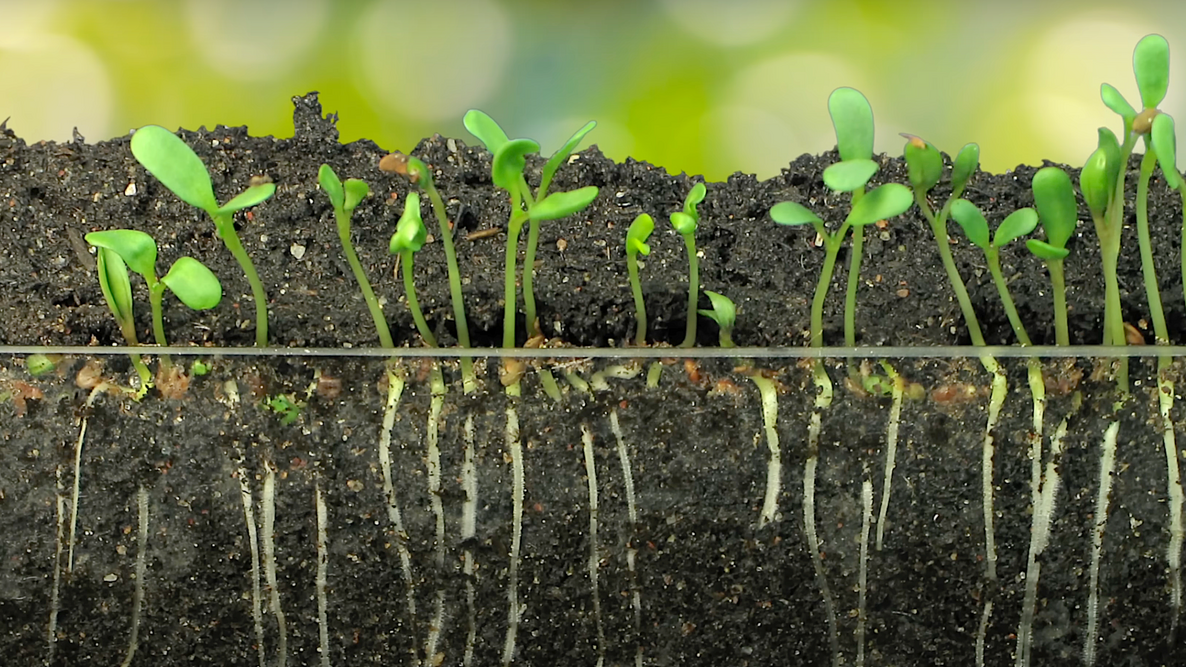
The moment sprouts break surface, light becomes urgent. Without it, seedlings go tall and spindly almost immediately — stretching toward whatever dim source they can find, building almost no structural strength. A windowsill rarely cuts it. Unless that window gets direct sun for most of the day, the intensity just isn’t there. Grow lights fix this. Position them a few inches above the seedlings and run them 12 to 16 hours daily. That kind of consistent, strong light produces compact stems and genuinely healthy leaves. Skip it, and even seeds that germinate perfectly will throw up weak transplants that struggle once they hit the garden.
4. Start With Fresh, High-Quality Seeds and Clean Containers
Old seeds are a gamble. Germination rates printed on the packet drop significantly once seeds have been stored improperly — heat and humidity degrade them fast. Buy from reputable sources. Check the date. Cool, dry storage extends viability considerably. Growers who cultivate marijuana seeds understand this well — fresh genetics with verified storage history produce consistent results; compromised seeds don’t, simple as that. Containers need to be clean before use. Disease organisms left in old trays or reused soil can kill seedlings before they ever establish. A mild bleach solution — one part bleach to nine parts water — handles that. Fresh seed-starting mix is worth it too; sterile and balanced, it won’t introduce the pathogens old garden soil often carries.
Conclusion
Four variables. Moisture, temperature, light, seed quality. Each matters on its own — but they compound. Nail all four and you’ve built an environment where germination happens naturally, without fighting the seed’s own biology. Botch one and it drags the others down. Keep the soil damp but not soggy, hold temperatures in range, get strong light on sprouts immediately, and start with fresh seeds in clean containers. Do that consistently, and seed starting stops feeling like a gamble. Your garden plans actually have somewhere to go.