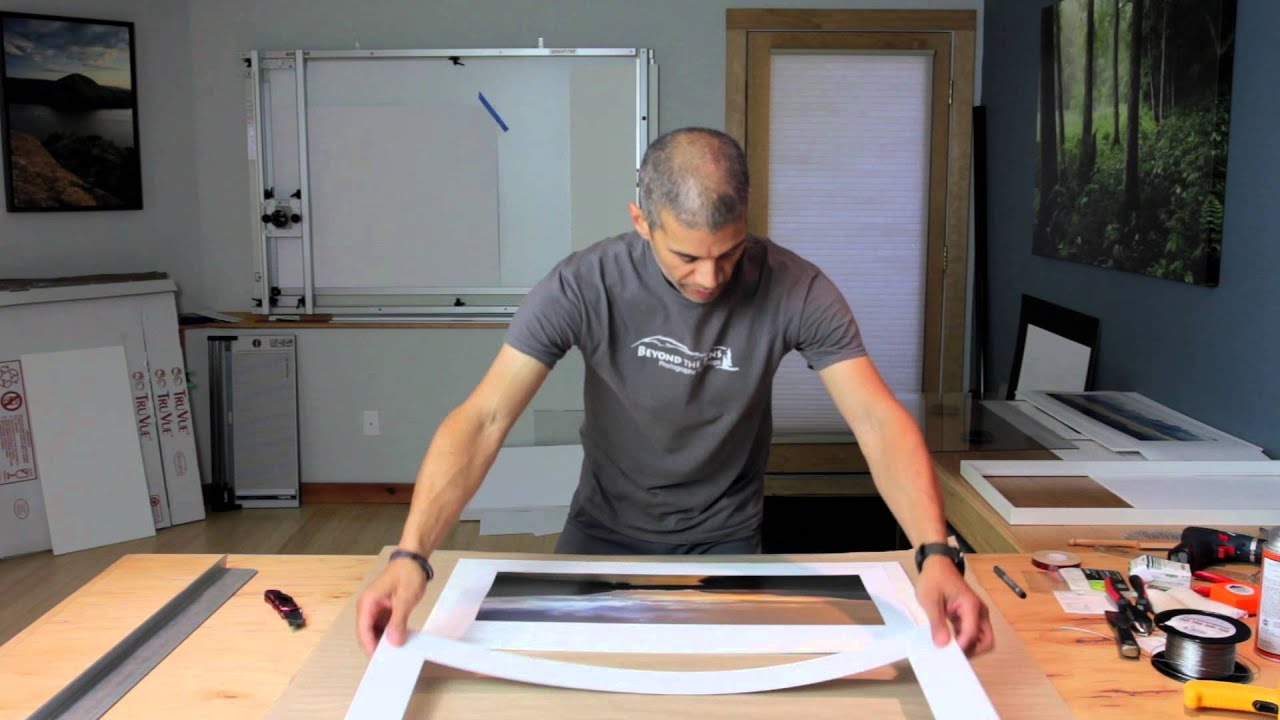
Preserving the aesthetic and structural integrity of fine art prints requires careful consideration of both matting and framing. A “picture framer” with expertise can significantly enhance the presentation and longevity of the artwork, turning it into a conversation piece in any space.
Choosing the Right Matting
Matting provides a buffer between the artwork and the frame, protecting the piece from moisture and other environmental factors. Selecting the right matting involves choosing the appropriate material and colour to complement the artwork. Acid-free mats are recommended as they prevent any damage or yellowing over time, ensuring the artwork remains pristine.
The width of the mat also plays a critical role. Wider mats can give smaller pieces a more significant presence and focus the viewer’s attention on the artwork itself. A general rule is to ensure the mat is at least double the width of the frame to maintain balance.
Understanding Frame Choices
Frames serve not only as the artwork’s outer protection but also as an essential component of its aesthetic appeal. When selecting a frame, consider the artwork’s style, colour palette, and intended setting. Classic art pieces may benefit from ornate, traditional frames, while modern art might require sleek, minimalist alternatives.
Wooden frames are versatile and offer a natural finish suitable for various designs. Metal frames tend to provide a contemporary look, often preferred for photographs and abstract prints. Whatever choice made, ensure the frame complements rather than competes with the artwork.
Importance of Glass and Acrylic
The material covering the fine art print is crucial for its protection. Glass is traditionally used for its clarity and ability to safeguard against dust and touch. Opt for UV-protected glass to prevent fading. Acrylic is a lighter alternative to glass, equally effective in shielding the artwork.
Acrylic is more resistant to breaking and thus ideal for larger prints or displays in high-traffic areas. However, be aware that acrylic surfaces are more prone to scratches than glass, requiring careful handling.
Conservation Techniques
For collectors, conservation framing techniques are essential to maintain the artwork’s condition. This involves using acid-free materials and reversible mounting processes, allowing the artwork to be removed without damage.
Hinge mounting is a popular method which provides strong support while minimising physical alteration to the piece. Consult with a professional framer to determine the best conservation strategies for your artwork.
Custom Framing Considerations
Commissioning custom frames provides the opportunity to tailor aesthetics and functionality to the specific piece. This is particularly advantageous for artworks with unusual dimensions or unique styles. Options like the “frame poster frames” ensure that each piece is displayed to its best advantage, adding value and personal significance.
Deciding on the Style
The style of the frame and matting should reflect the artwork’s era and mood. Delicate watercolours may require a subtle approach with pastel mats, while bold graphics might benefit from strong, contrasting colours.
The matting and framing choices serve as an extension of the artwork, sometimes enhancing and other times altering the viewer’s perception. It is vital that these aspects work in cohesion with the artwork rather than distract from its essence.
Practical Tips for Installation
Once the artwork is matted and framed, proper installation is key to ensure its safety and positioning. Always use appropriate picture hanging hardware, and consider wall anchors for heavier pieces. Ensure the piece is hung at eye level for optimal viewing.
For rooms with direct sunlight, place artworks carefully to minimise exposure, which can cause fading even through UV-protected glass. Regular inspection and maintenance will help preserve the artwork’s beauty.
Benefits of Professional Services
Engaging professionals offers peace of mind, knowing the art is handled with expertise. Expert framers have access to a wide range of materials and can provide personalised advice on the best options for matting and framing your unique pieces.
Professional services combine experience with artistry, creating a truly bespoke finish that aligns with your vision and the artwork’s original intent.