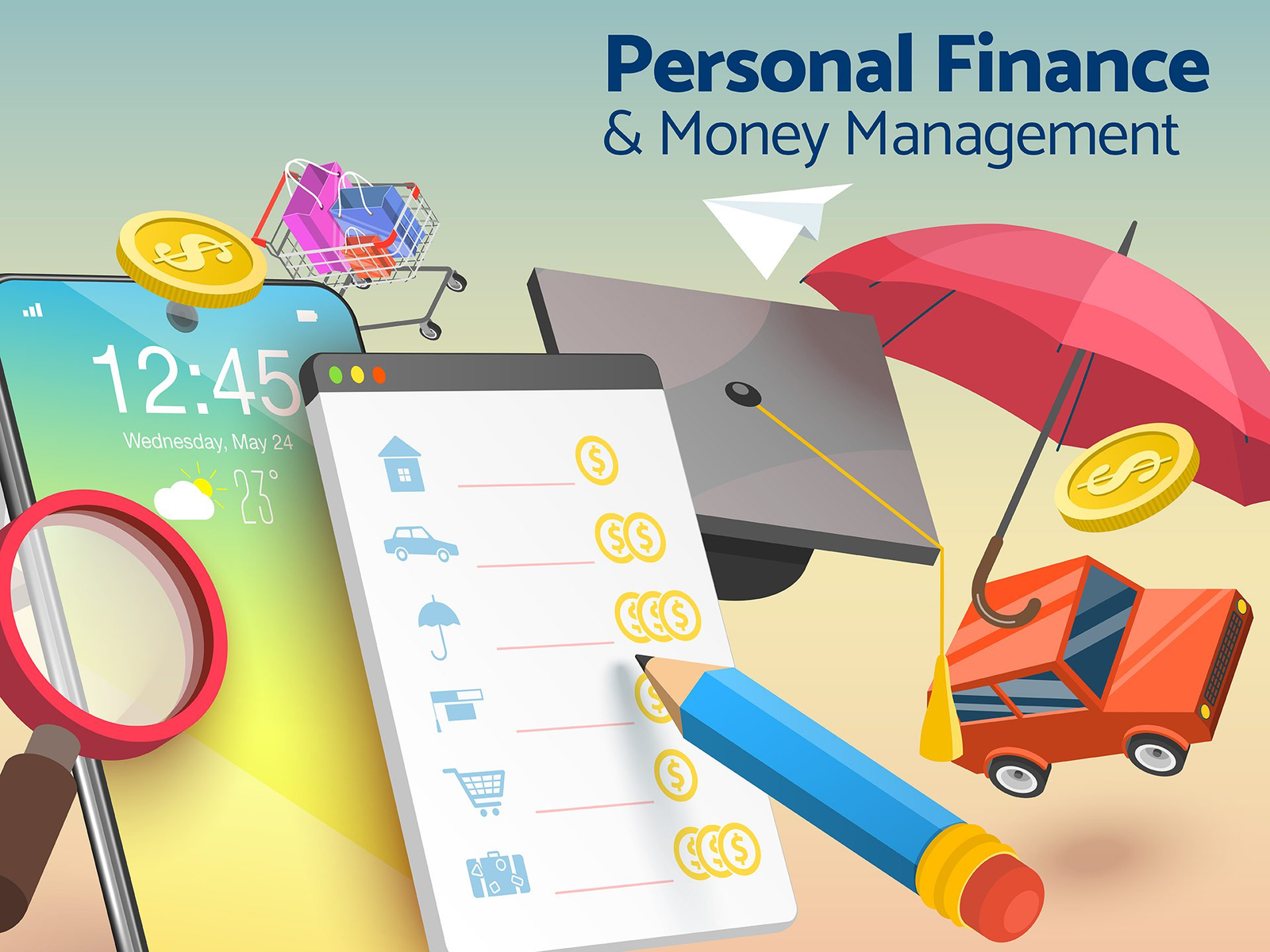
Breaking into the finance world takes more than textbook knowledge and sharp analytical skills. The gap between academic learning and real-world application can be surprisingly wide, especially when it comes to managing money effectively. Future finance professionals who develop strong personal and professional money habits early on are far better positioned to guide others with confidence and credibility. Understanding these foundational lessons can shape not just a career, but an entire approach to financial thinking.
Understanding Cash Flow Before Everything Else
One of the most essential skills any aspiring finance professional can develop is a deep, intuitive understanding of cash flow. Whether managing personal finances or advising clients, knowing exactly where money comes from and where it goes forms the foundation of every sound financial decision. Many young professionals make the mistake of focusing solely on income without paying equal attention to outflows, which creates blind spots that can be genuinely costly. Tracking every dollar with intention builds the kind of discipline that clients and employers tend to notice almost immediately. It is a habit that seems simple on the surface but proves transformative over time.
The Role of Budgeting as a Strategic Tool
Budgeting is often dismissed as a simple or even tedious exercise, but for anyone pursuing a career in finance, it represents a real strategic opportunity. A well-constructed budget is not a restriction; it is a roadmap that aligns spending with long-term goals. Financial advisors who practice disciplined budgeting in their own lives understand the psychological and practical challenges their clients face, which makes them far more effective in their roles. Learning to build, adjust, and interpret a budget under real-world conditions teaches lessons that no classroom simulation can fully replicate. That hands-on experience translates directly into more authentic, grounded client conversations.
Building an Emergency Fund and Understanding Risk
Risk management is a core concept in finance, and it starts with something as personal as an emergency fund. Future finance professionals who have experienced financial vulnerability firsthand develop a genuine appreciation for liquidity and preparedness that goes beyond theory. Maintaining three to six months of living expenses in a readily accessible account is a principle many professionals advise but fewer actually follow themselves. Going through the process of building that cushion from scratch gives professionals a grounded perspective that resonates when working with clients navigating their own financial uncertainties. There is no substitute for having lived through that process personally.
Investing Early and Learning from Real Decisions
Theory can explain compound interest clearly enough, but actually watching a personal portfolio grow over time creates a level of understanding that lectures simply cannot match. Future finance professionals benefit enormously from opening investment accounts early, even with modest amounts, because the experience of riding market fluctuations builds genuine emotional resilience. Making real decisions with real money teaches lessons about patience, diversification, and the dangers of reactive thinking. These early experiences also spark questions that deepen overall financial literacy and sharpen the critical thinking skills that become essential in a professional setting. The lessons absorbed during volatile markets tend to stick in ways that textbook examples never quite do.
Managing Debt Responsibly as a Learning Experience
Debt is a reality for most people, including those entering the finance profession, and learning to manage it wisely pays dividends for years. Student loans, credit cards, and other obligations should be approached with a structured repayment strategy rather than treated as a long-term inconvenience to sidestep. Understanding interest rates, minimum payments, and the true cost of carrying debt over time provides insight that is directly applicable when advising clients on their own obligations. Professionals who have navigated debt personally bring authenticity and practical wisdom to conversations that might otherwise feel abstract or impersonal. That lived experience tends to build client trust faster than credentials alone.
The Importance of Continuous Financial Education
The financial landscape changes constantly, and professionals who commit to ongoing learning stay ahead of the curve in meaningful ways. Reading industry publications, following market trends, and pursuing additional certifications are habits that keep knowledge current and relevant. Beyond formal education, connecting with mentors and peers who challenge your assumptions can accelerate growth in ways that self-study alone cannot achieve. A commitment to lifelong learning signals to clients and colleagues that you take the responsibility of financial guidance seriously, and that reputation compounds over time just like interest does.
Conclusion
The money management lessons that matter most are often the ones learned through personal experience rather than purely academic study. Future finance professionals who embrace these principles early build a foundation of credibility, empathy, and practical expertise that sets them apart throughout their careers. Each financial decision made today becomes part of the professional story told tomorrow, so starting with intention and discipline is always the right move.