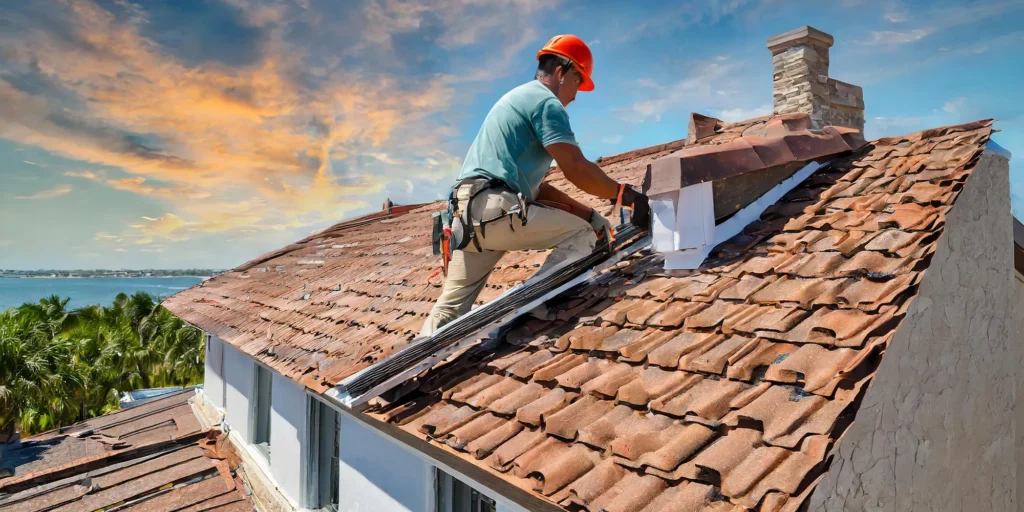
Your roof is one of the most critical parts of your home, yet it tends to go unnoticed until something goes seriously wrong. Roofing problems have a way of developing slowly and quietly, from minor leaks to major structural damage, before turning into costly headaches. Knowing what to watch for and how to stay ahead of potential issues can save you significant time, money, and stress. A little preventative attention goes a long way when it comes to keeping your roof in great shape for years to come.
Leaks and Water Damage
Water infiltration is one of the most common roofing issues homeowners face, and it can cause serious damage if left unaddressed. Leaks typically originate around flashing, chimneys, skylights, or damaged shingles where water finds an easy entry point. Once moisture gets inside, it can lead to mold growth, wood rot, and compromised insulation throughout your home. Scheduling annual inspections and ensuring all flashing and sealants are properly maintained goes a long way toward keeping water out. Catching small vulnerabilities early is always far less painful than dealing with full-blown water damage after the fact.
Damaged or Missing Shingles
Shingles take the brunt of everything the weather throws at your home, so it’s no surprise they wear down over time. High winds, hail, and heavy rain can crack, curl, or completely dislodge shingles, leaving your roof exposed to the elements. Even a single missing shingle creates an opportunity for water to seep underneath and damage the underlayment beneath it. Regularly inspecting your roof after major storms is a smart habit that helps you catch and replace **damaged shingles** before problems have a chance to escalate. Staying on top of shingle maintenance extends the overall life of your roof considerably.
Poor Ventilation and Insulation
Many homeowners overlook the role that proper ventilation plays in roof health, but it’s a critical factor in how long your roof actually lasts. Without adequate airflow in your attic, heat and moisture can build up and accelerate the deterioration of roofing materials from the inside out. In colder climates, poor ventilation also contributes to ice dam formation, which causes water to back up under shingles and find its way into your interior. Ensuring your attic has balanced intake and exhaust vents helps regulate both temperature and moisture year-round. Pairing good ventilation with quality insulation creates an environment that protects your roof and keeps your energy bills in check at the same time.
Clogged or Damaged Gutters
Gutters play a vital supporting role in your roofing system by directing water away from your home’s foundation and exterior walls. When gutters become clogged with leaves, debris, or dirt, water overflows and pools along the roofline, which can lead to rot and structural damage over time. Sagging or improperly pitched gutters also prevent water from draining efficiently, compounding the problem season after season. Cleaning your gutters at least twice a year, particularly in fall and spring, is one of the simplest and most effective preventative maintenance steps available to any homeowner. Installing gutter guards can also reduce the frequency of cleanings and help keep your drainage system running the way it should.
Improper Installation and Aging Materials
Even a well-constructed roof has a lifespan, and as materials age, they naturally become more susceptible to wear and damage. Improper installation, though, can shorten that lifespan dramatically by creating weak points that fail well before they should. Issues like inadequate fastening, poor underlayment placement, or incorrect shingle overlap may not be visible to the untrained eye, but they can cause significant problems as the years pass. If your roof is approaching the end of its expected lifespan or was put in place by an inexperienced contractor, having a professional assess its condition is worth serious consideration. A thorough inspection can reveal whether repairs will do the job or whether a Roof replacement is the more practical and cost-effective path forward.
Conclusion
Staying proactive about roof maintenance is genuinely the best way to protect your home and avoid expensive repairs down the road. Most roofing problems don’t appear overnight; they develop gradually through neglect, weather exposure, or simply aging materials doing what aging materials do. By scheduling regular inspections, addressing minor issues promptly, and keeping your gutters and ventilation systems in good working order, you give your roof the best possible chance at a long and effective life. When in doubt, consulting a professional roofing contractor provides the expert insight needed to make confident, informed decisions about your home’s most important protective layer.