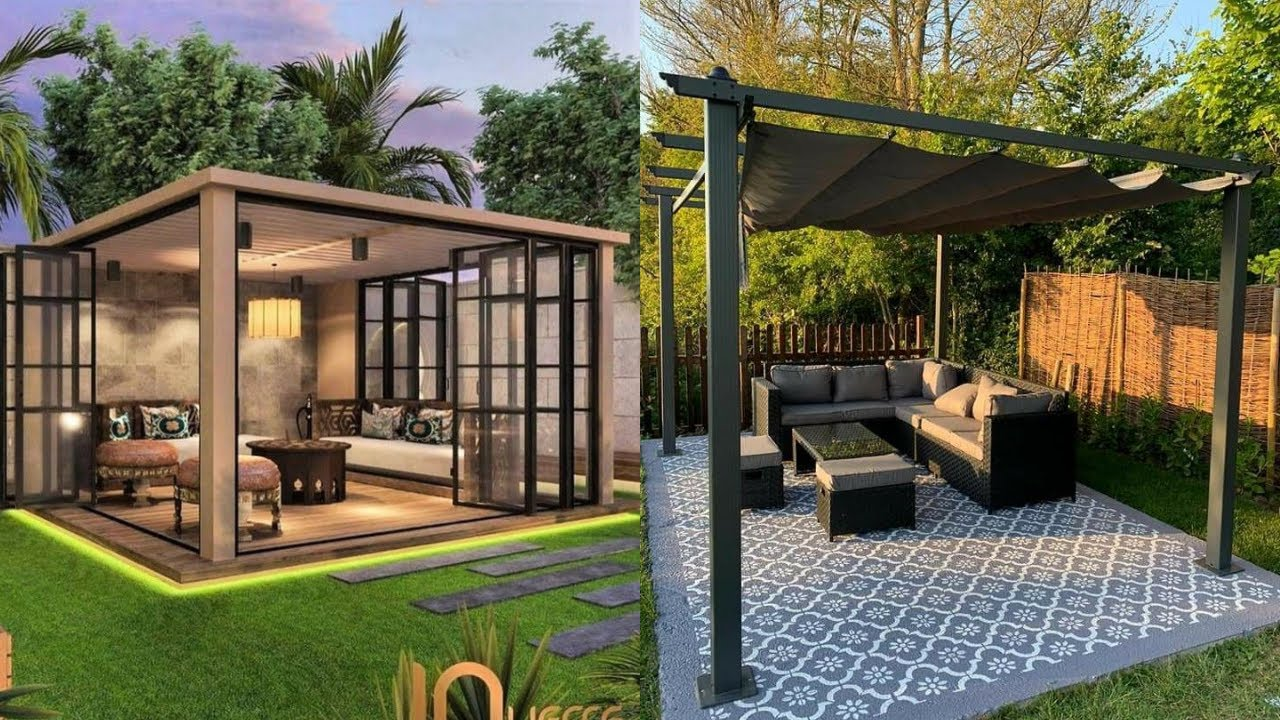
Transforming your backyard into a versatile outdoor haven can dramatically improve how you use and enjoy your home. A well-designed gazebo serves as the centerpiece, offering shade, shelter, and a focal point that ties everything together. Whether you’re dreaming of a spot for family gatherings, quiet relaxation, or something more specialized like gazebos for hot tub setups that provide privacy and weather protection, a gazebo makes it possible to create distinct zones that serve multiple purposes throughout the seasons.
This guide walks you through the process step by step—from initial planning to final touches—so you can build a backyard that feels like an extension of your living space. With thoughtful design, your gazebo can host dinners, provide a reading nook, shelter a spa, or even double as a storage solution, all while blending seamlessly with your landscape.
Why a Gazebo is the Perfect Foundation for Multi-Functional Design
Gazebos have evolved far beyond simple decorative structures. Today, they act as outdoor rooms that shield you from sun, rain, and wind while inviting you to spend more time outside. A multi-functional backyard leverages the gazebo to define zones: one for dining and entertaining, another for lounging, and perhaps a dedicated area for wellness or play.
The beauty lies in flexibility. A solid-roof gazebo protects furniture and equipment, while open sides maintain airflow and connection to nature. In larger yards, it anchors multiple areas; in smaller ones, it maximizes every square foot. Homeowners often report using their outdoor spaces two to three times more after adding a gazebo because it creates inviting, purpose-driven spots.
Step 1: Planning Your Backyard Layout
Start by assessing your space. Measure the yard, note sun patterns, wind directions, existing features like trees or slopes, and proximity to the house. Consider how your family uses the outdoors—do you entertain often, garden, or relax after work?
Key planning considerations:
- Zoning: Divide the yard into functional areas. Place the gazebo centrally for easy access or off to the side as a destination retreat.
- Traffic flow: Ensure pathways connect the house, gazebo, and other features without bottlenecks.
- Budget and scale: A 10×12 or 12×16 gazebo often works well for most families, but measure furniture placement first (table + chairs need circulation space).
- Utilities: Plan for electrical outlets for lighting and fans, water access, or drainage if adding a hot tub or kitchen area.
Sketch a simple layout using graph paper or free online tools. Think year-round: a gazebo that offers summer shade can extend into fall evenings with added heaters or fire features.
Choosing the Right Gazebo Style and Materials
Your gazebo choice sets the tone for the entire space. Octagonal or hexagonal styles bring classic charm, while rectangular ones maximize usable space for dining or lounging.
Popular styles for multi-functional use:
- Wooden gazebos: Warm, natural look that ages beautifully. Cedar resists rot and insects, making it ideal for humid or variable climates.
- Vinyl or composite: Low-maintenance with modern appeal; perfect if you prefer minimal upkeep like painting or staining.
- Metal with hardtop roof: Highly durable for heavy snow or wind; often includes options for screens or curtains.
Consider roof type carefully: solid roofs provide better rain and snow protection, while models with vents work well for hot tub steam escape. Add-ons like curtains, screens, or lattice sides increase versatility for privacy or bug control.
Size matters for functionality. A smaller 8×10 might suit a cozy reading nook, but for entertaining, aim larger to comfortably fit tables, seating, and room to move.
Designing Multi-Functional Zones Around the Gazebo
The gazebo becomes the natural hub of your backyard. Extend its utility by creating complementary zones that flow together.
Dining and Entertaining Zone: Position a large table under the gazebo roof. Add built-in benches or weather-resistant chairs. Nearby, incorporate a small outdoor kitchen or grill station under partial cover for easy meal prep. L-shaped counter layouts work efficiently even in limited space.
Lounge and Relaxation Area: Cluster comfortable seating with ottomans or daybeds. Built-in storage benches hide cushions and blankets. Hanging hammocks or swings inside or adjacent add a playful touch.
Wellness or Spa Zone: Many homeowners place hot tubs or spas beneath gazebos for protection and privacy. A properly sized structure shields from the elements while allowing good ventilation. Nearby pathways and lighting make evening access safe and inviting.
Kids’ or Play Zone: In family yards, keep open turf nearby for games, with the gazebo offering shaded supervision or storage for toys and equipment.
Garden Integration: Surround the structure with raised beds or flower borders. Climbing vines on posts create natural curtains over time.
Incorporating Seating, Storage, and Practical Features
Multi-functionality comes alive through smart storage and flexible furniture choices.
- Built-in benches with lift-up lids store pillows, games, or gardening tools out of sight.
- Shelving units along one side hold lanterns, planters, or bar accessories.
- Modular furniture lets you rearrange for different occasions—dinner parties one night, morning yoga the next.
- Half-enclosed designs pair seating areas with discreet storage, almost like a garden shed combo.
For hot tub areas, reinforced flooring and non-slip surfaces are essential. Privacy curtains or screens can turn the space into a personal retreat when needed.
Adding Entertainment and Cooking Elements
Turn your gazebo into a true backyard hub with these practical upgrades:
Outdoor Kitchen Ideas: A grill, prep counters, and mini-fridge positioned under or beside the gazebo create a seamless cooking-to-dining flow. Pizza ovens add interactive fun for family gatherings.
Tech and Media: Weatherproof speakers, a mounted TV, or solar-powered lighting enhance evening enjoyment. Ceiling fans keep things comfortable on still summer days.
Fire Features: A central fire pit or fireplace extends usability into cooler months, creating a cozy focal point that draws everyone together.
Playful Touches: String lights, lanterns, or Edison bulbs add ambiance. For families, include a chalkboard wall or dedicated game storage.
Landscaping for Seamless Integration
Landscaping helps the gazebo feel like it belongs rather than an afterthought.
Planting Tips:
- Use foundation plants to soften hard edges—evergreens for year-round structure, perennials for seasonal color.
- Climbing vines such as clematis, wisteria, or ivy dress up posts and eventually provide dappled shade.
- Create pathways with gravel, pavers, or mulch leading to and from the gazebo.
- Layer plant heights: tall trees as a backdrop, mid-level shrubs for definition, and low groundcovers underfoot.
Nearby water features like a small fountain or pond add soothing sounds. Thoughtful lighting—solar path lights, uplights on trees, or perimeter strings—extends enjoyment well after dark.
Lighting, Ambiance, and Seasonal Adaptations
Good lighting completely transforms how the space feels. Mix ambient lighting like string lights, task lighting for counters, and accent lights that highlight plants.
For different seasons:
- Summer: Fans, misters, and retractable shades for cooling.
- Fall and Winter: Outdoor heaters, fire pits, and insulating curtains.
- Add weather-resistant rugs, throw pillows, and blankets to make the area cozy year-round.
Solar-powered options reduce energy use and simplify installation.
Maintenance for Longevity
Choose durable materials from the start and plan for regular upkeep. Seal wood periodically, clean roof gutters, and inspect anchors after storms. Weatherproof fabrics and covers protect furniture during off-seasons. A little consistent care keeps your multi-functional backyard looking fresh and inviting for many years.
Special Considerations for Hot Tubs and Spas
A gazebo over a hot tub remains particularly popular because it protects both the equipment and users from the elements. Proper ventilation prevents humidity buildup, while curtains allow adjustable privacy. Reinforced structures handle the added weight, and nearby storage for towels and supplies keeps everything organized.
This setup encourages year-round use, turning occasional dips into daily rituals. For swim spas or larger installations, consider a more substantial spa enclosure that offers similar protection with tailored dimensions.
Bringing It All Together: Your Personalized Backyard Oasis
Creating a multi-functional backyard with a gazebo requires some vision, but the payoff is immense—an inviting space that boosts property value, supports wellness, and strengthens family bonds. Start small if needed: install the gazebo first, then layer in zones, plants, and accessories over time.
Experiment with different layouts, gather inspiration from magazines or neighbors, and prioritize what matters most to your lifestyle. With a gazebo at its heart, your backyard can become the most-used “room” in your home, ready for everything from morning coffee to evening stargazing.
Whether hosting friends around a grill, soaking quietly under the stars, or watching kids play safely nearby, this thoughtful design turns ordinary outdoor space into something truly special. Take measurements, sketch ideas, and begin building the backyard you’ve always wanted—one versatile gazebo at a time.