When attendees walk into an event space, what they see in the first few moments shapes their entire perception of the experience. Visual branding sets the tone for how your audience perceives your organization, remembers your message, and connects with your brand on an emotional level. From color schemes and typography to signage and environmental design, every visual element communicates something about your event and your organization. The strategic use of visual branding transforms a generic gathering into a cohesive, memorable experience that resonates with attendees long after the event concludes. Understanding how to leverage visual branding can significantly enhance participant engagement and brand recall.
Creating a Cohesive Visual Identity Across Touchpoints
Your event’s visual identity should remain consistent across all attendee touchpoints, from pre-event marketing materials to the physical environment on the day of the event. When your logo, color palette, and design elements appear consistently on invitations, signage, name badges, programs, and digital displays, attendees develop a stronger sense of connection to your brand. This consistency reinforces recognition and creates a professional impression that reflects organizational competence and attention to detail. Consider how a conference uses the same color scheme on entrance banners, stage backdrops, booth designs, and printed materials. When visual elements are fragmented or inconsistent across different areas of the event, attendees may experience confusion and the impact of your branding efforts diminishes significantly. By establishing clear visual guidelines before your event, you ensure that every team member and vendor understands how to represent your brand consistently.
Using Color and Design to Influence Attendee Behavior
Color psychology plays a substantial role in how attendees navigate and respond to your event environment, and selecting a deliberate palette is one of the most impactful decisions you can make during the planning process. Blue often conveys trust and professionalism, making it a common choice for corporate events and financial sector conferences, while warm colors such as orange and red generate energy and excitement that suits product launches or creative industry gatherings. Your choice of color palette should align with both your brand identity and the desired emotional response from your audience, so it is worth mapping each color to a specific intent before finalizing your design guidelines. Strategic placement of branded colors in high-traffic areas, registration zones, and keynote spaces guides attendee flow while continuously reinforcing your visual message throughout the venue. Typography choices contribute equally to overall professionalism, with clean modern fonts suggesting innovation and classic serif fonts projecting tradition and established authority.
Building Recognition Through Strategic Visual Placement
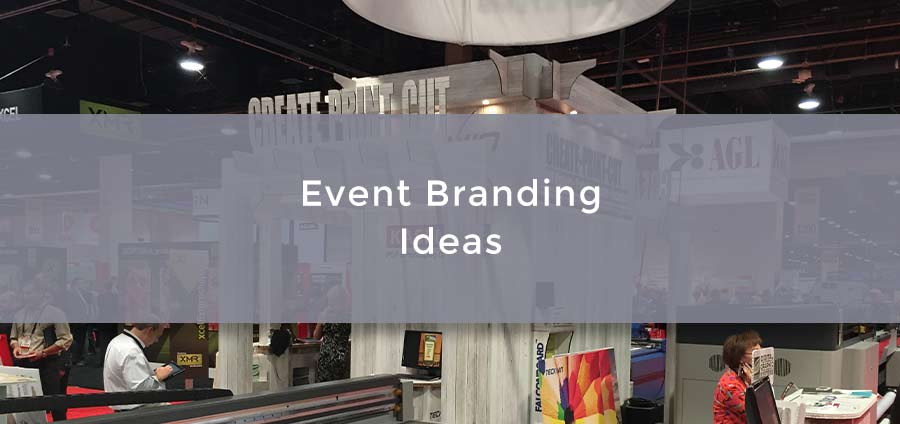
Attendees retain information more effectively when visual branding is strategically positioned throughout the event venue. Entrance displays create first impressions that set expectations for the entire experience, making this a critical area for strong visual branding. Stage designs, projection screens, and environmental graphics should incorporate your brand elements in ways that feel natural rather than forced or overly prominent. For instance, a brand’s logo might appear subtly in the corner of presentation slides rather than dominating the entire background, which keeps focus on content while maintaining brand presence. Event professionals sourcing display solutions for trade shows, corporate events, and branded installations can find modular display products through MODdisplays that support consistent visual branding across a variety of venue setups. When visual branding is thoughtfully distributed throughout the venue rather than concentrated in only one or two locations, attendees encounter multiple reinforcing touchpoints that strengthen memory formation and brand association.
Enhancing Attendee Engagement Through Visual Storytelling
Visual branding extends beyond logos and colors to encompass the broader narrative of your event. Thematic visual elements help tell your organization’s story and create an immersive environment that engages attendees on multiple sensory levels. If your event focuses on sustainability, using natural materials, earth tones, and imagery related to environmental stewardship reinforces your organizational values through visual language. Photography displays, video content, and branded installations can communicate your message more effectively than words alone, as humans process visual information considerably faster than text, a principle well documented in research on visual communication and audience engagement. Interactive branded experiences, such as photo opportunities with branded backdrops or installations featuring your visual elements, encourage attendee participation and create shareable moments that extend your brand’s reach beyond the event itself.
Conclusion
Visual branding serves as a powerful tool for transforming the event experience from ordinary to memorable. When you maintain consistency across all touchpoints, strategically use color and design principles, position branding elements throughout your venue, and employ visual storytelling, you create an environment where attendees form stronger connections with your organization. The investment in thoughtful visual branding communicates respect for your audience and demonstrates organizational professionalism. Every design choice contributes to attendee perception and retention, making visual branding an essential component of event planning and execution. By prioritizing visual coherence and strategic design, you ensure that your event leaves a lasting impression that extends well beyond the day itself.