Night hunting requires specialized equipment designed to handle low visibility and difficult environments. For decades, hunters relied heavily on traditional night vision devices, which amplify ambient light from the moon or stars. However, modern outdoor sports have seen a significant shift toward technology that senses heat signatures instead of visible light. Understanding how these tools function helps outdoorsmen make practical choices for field safety and ethical harvest management.
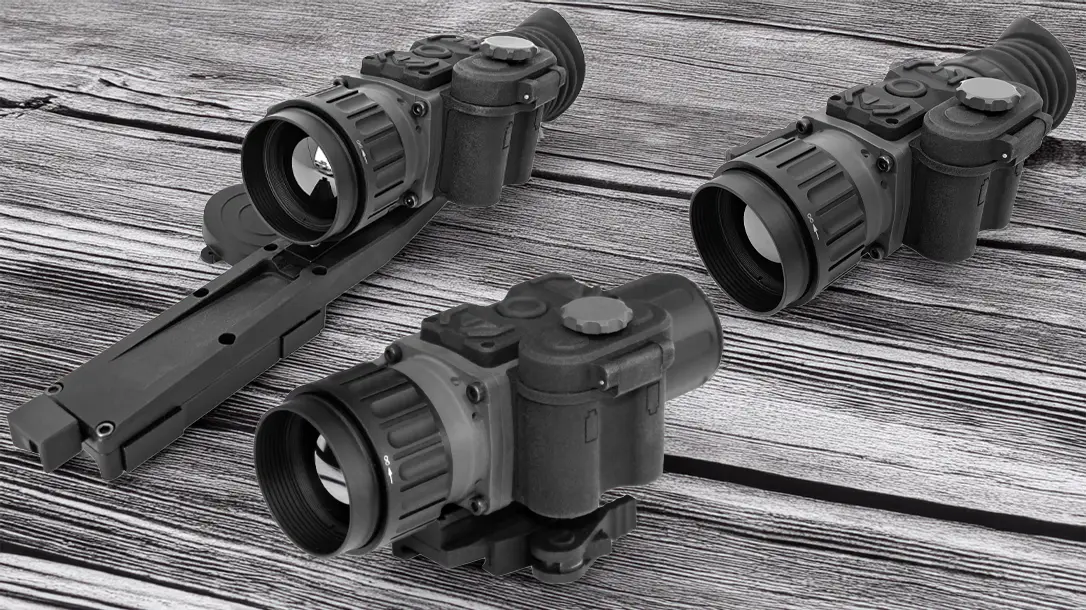
Investing in high-quality thermal rifle scopes for hunting allows hunters to track, identify, and harvest game in complete darkness, thick brush, or heavy fog. Unlike standard optics that fail when light fades, heat-sensing technology provides a clear view of the target based entirely on temperature differences. This article details how these devices work, their practical benefits, operational challenges, and the current technological advancements shaping the hunting market.
Understanding Thermal Technology in Hunting
Thermal rifle scopes are weapon-mounted optics that utilize an infrared sensor to detect heat energy. Every animal, rock, tree, and body of water emits varying levels of infrared radiation based on its temperature. The scope processes these differences and builds a visual map, often referred to as a thermogram, which displays on an internal screen.
Because this system relies entirely on heat, it operates completely independently of light. A hunter can see an animal in total darkness just as easily as in bright daylight. Furthermore, thermal energy passes through light cover, such as tall grass, thin brush, and fog, revealing animals that would remain completely hidden from a standard optical lens or a traditional night vision system. Leading manufacturers in the industry, such as Nocpix, have harnessed this technology to engineer highly sensitive sensors that provide sharp imagery even in the most challenging environments.
Primary Benefits of Heat-Sensing Scopes
Using heat-detection equipment on a rifle offers several distinct advantages for wildlife control, predator tracking, and nighttime sports.
- Reliable Target Identification: The primary benefit of thermal optics is the ability to separate a living target from the surrounding landscape. An animal stands out clearly against cold terrain, reducing the time spent searching for game. This clear contrast allows for positive target identification, ensuring hunters can see the exact size, orientation, and type of animal before pulling the trigger.
- Operational Capability in Severe Weather: Traditional optics are useless in thick fog or smoke, and night vision requires external infrared illuminators that can reflect off mist, blinding the shooter. Thermal sensors read heat signatures directly through these atmospheric obstructions, ensuring a clear view during sudden weather shifts or in humid swamps.
- Safer Field Operations: Safety remains a vital priority in hunting. Because a thermal scope reveals any heat source within its detection range, it immediately highlights other hunters, domestic livestock, or working dogs in the area. This prevents accidental discharge toward unseen objects in the dark.
Practical Challenges and Solutions in the Field
While the technology offers remarkable advantages, hunters must understand the specific operational constraints and environmental factors that affect performance.
1. Managing Battery Consumption
Thermal sensors, internal displays, and image processors consume a significant amount of electricity. Cold weather can further reduce battery efficiency during long winter hunts. To counter this challenge, many manufacturers use rechargeable power systems or design scopes with external battery packs, allowing hunters to swap power sources quickly without losing their zero settings.
2. Recoil Resistance and Durability
Unlike a handheld monocular, a rifle scope faces intense mechanical stress every time a shot is fired. Cheap or poorly built units can lose their internal alignment or break under the force of heavy hunting calibers. Hunters need devices rated for high recoil to ensure the internal components retain their zero over years of steady use.
3. High Initial Investment
The advanced sensors, Germanium lenses, and specialized processors used in these devices make them more expensive than traditional glass optics. However, the durability, search efficiency, and safety advantages frequently justify the long-term cost for serious outdoor sportsmen and property managers dealing with invasive species.
Technical Specifications to Evaluate Before Purchase
When selecting a scope for field use, specific technical measurements determine how well the unit performs under pressure.
- Sensor Resolution: This measurement dictates the detail of the image. Higher resolution sensors provide cleaner edges and clearer identification at longer distances, preventing pixelation when zooming in on small game.
- Refresh Rate: Measured in Hertz (Hz), the refresh rate determines how smooth the video feed appears. A 50Hz refresh rate ensures a smooth image when tracking moving targets, whereas lower rates can cause stuttering or lag.
- Detection Range vs. Identification Range: Detection range tells you how far away the scope can spot a warm pixel. Identification range specifies how close you must be to accurately determine the specific animal type. Knowing the difference prevents ethical mistakes in target selection.
- Thermal Sensitivity (NETD): Noise Equivalent Temperature Difference measures how well the sensor detects tiny variations in heat. A lower rating means the scope performs better in uniform thermal conditions, such as cool, rainy nights where everything is a similar temperature.
Current Industry Trends
The market for hunting optics continues to progress as production methods improve and digital features expand.
Integration of Laser Rangefinders
Judging distance at night is incredibly difficult because human depth perception changes without visual clues. Modern thermal scopes frequently include built-in laser rangefinders. This feature provides real-time distance measurements directly on the digital display, helping shooters calculate exact bullet drop for clean, ethical shots.
Compact and Lightweight Profiles
Early thermal rifle units were heavy, bulky, and altered the balance of the firearm. Current engineering focus has moved toward ultra-slim designs that match the weight and shape of traditional daytime scopes. Brands like Nocpix have been at the forefront of this shift, optimizing their internal layouts to offer rugged, full-featured scopes with significantly reduced weight profiles that make the rifle easier to carry during long walks through rough terrain.
Hybrid Systems
Some advanced platforms now offer multi-functional capabilities, working as a handheld device for scanning the landscape and then attaching directly to a standard rifle setup when it is time to take a shot. This flexibility gives hunters more options without requiring multiple expensive devices.
Final Thoughts
Thermal rifle optics provide unparalleled visibility, allowing hunters to track game, protect livestock, and operate safely in the darkest conditions. By understanding sensor resolution, recoil limits, and battery demands, sportsmen can select a device that matches their specific environmental needs. As technology moves toward lighter frames and more accurate built-in distance tools, heat-sensing scopes remain a staple for modern nighttime wildlife management and field sports.