There is a timeless magic to the Eternal City that defies the passage of centuries. For American travelers crossing the Atlantic in 2026, Rome represents the ultimate open-air museum, a place where ancient ruins seamlessly intertwine with vibrant modern culture. Whether you are a first-time visitor or a seasoned Italophile, navigating Rome’s vast cultural landscape requires a curated approach to truly appreciate its artistic mastery and historical depth.
As travel trends shift toward deeper, more meaningful cultural immersion, experiencing Rome is no longer just about checking off landmarks. It is about understanding the stories, the human genius, and the architectural marvels that shaped Western civilization. This comprehensive guide highlights the top art and history experiences you cannot afford to miss this year.
The Definitive Roman Cultural Checklist
To help you maximize your time and avoid cultural fatigue, we have curated the definitive list of Rome’s most spectacular historical and artistic sites. From world-famous icons to breathtaking hidden gems, these experiences offer an unforgettable journey through time.
1. The Colosseum and the Roman Forum
No trip to Rome is complete without standing in the shadow of the Colosseum. In 2026, newly restored underground sections offer an unprecedented look into the subterranean world where gladiators and wild animals once awaited their fate. Stepping out onto the reconstructed arena floor gives you a dramatic perspective of Roman engineering. Just a short walk away, the Roman Forum invites you to wander through the political and social heart of the ancient empire, surrounded by the majestic ruins of temples, basilicas, and triumphal arches.
2. The Vatican Museums and the Sistine Chapel
Housing one of the most extensive art collections in the world, the Vatican Museums are a testament to papal patronage through the ages. As you walk through the Gallery of Maps and the Raphael Rooms, the sheer scale of creative genius is breathtaking. The journey culminates in the Sistine Chapel, where Michelangelo’s ceiling frescoes and The Last Judgment demand quiet contemplation. To truly appreciate the details, consider booking early morning access to experience these masterpieces before the general public arrives.
3. The Borghese Gallery
Nestled within the lush gardens of Rome’s finest central park, the Borghese Gallery houses an unparalleled collection of Baroque and Renaissance masterpieces. If you want to truly appreciate Bernini’s genius without the stress of overwhelming crowds, it is wise to discover guided tour at Borghese Gallery in Rome before tickets sell out weeks in advance.
Inside this elegant villa, you will find yourself face-to-face with Bernini’s incredibly lifelike marble sculptures, including Apollo and Daphne and The Rape of Proserpina, where stone miraculously mimics the softness of human flesh. The museum also boasts an extraordinary collection of Caravaggio paintings, showcasing his revolutionary use of light and shadow, alongside masterpieces by Raphael and Titian. Because entry is strictly limited to specific time slots, the viewing experience feels remarkably intimate and exclusive.
4. The Pantheon
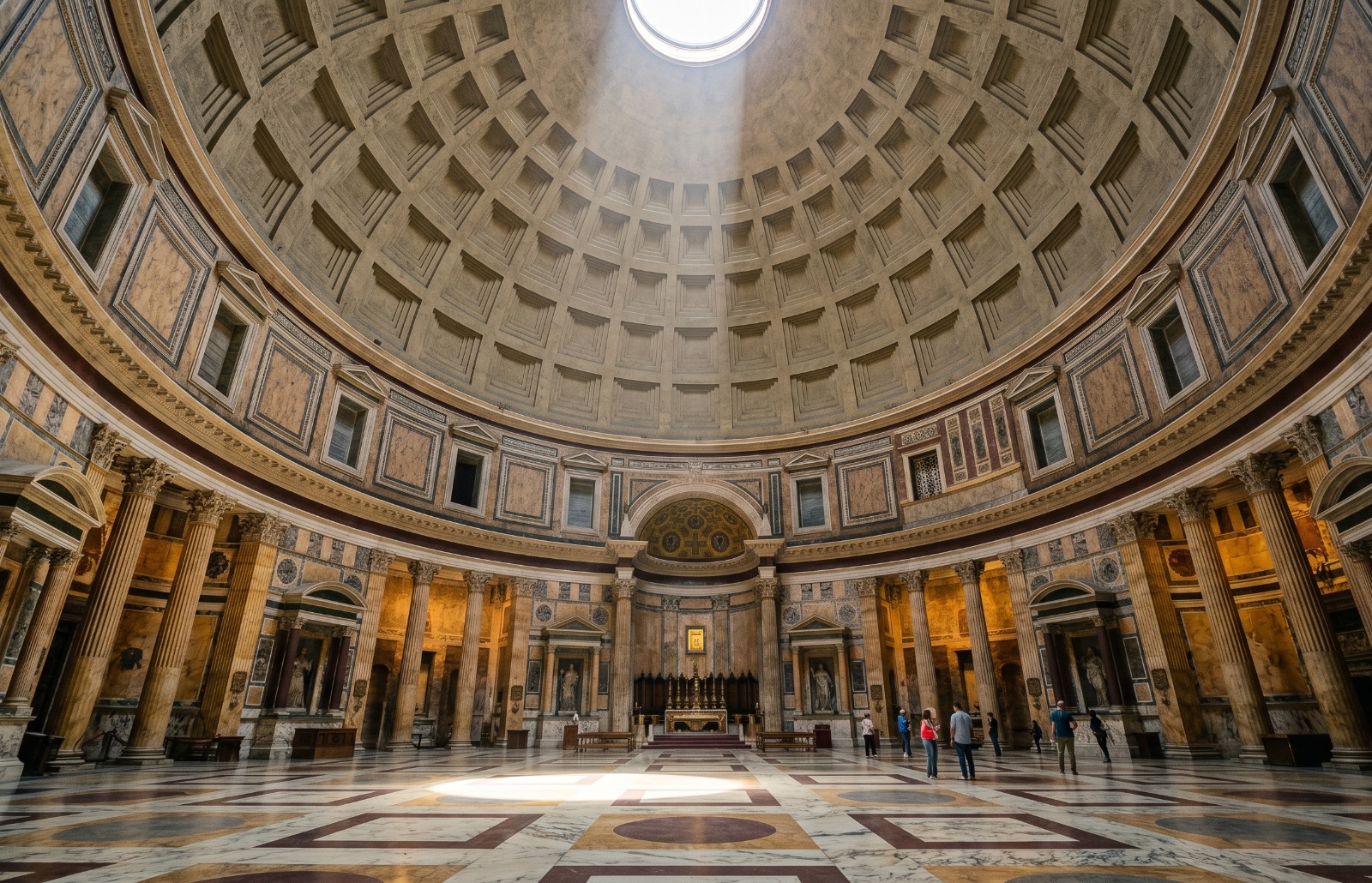
The Pantheon stands as the most well-preserved monument of the ancient Roman world, a triumph of architectural design that has influenced builders for two millennia. Standing beneath the open oculus is a transformative moment, and booking a tour of Pantheon by Doooing ensures you skip the long lines and uncover the architectural secrets that have baffled engineers for millennia.
Commissioned by Marcus Agrippa and rebuilt by Emperor Hadrian, its massive concrete dome remains the largest unreinforced concrete dome in the world. As sunlight streams through the central opening, it creates a moving spotlight that illuminates the tombs of Italian kings and the Renaissance master Raphael. A guided perspective reveals how this ancient temple dedicated to all gods successfully transitioned into a Christian basilica, preserving its ancient grandeur for modern travelers.
5. Castel Sant’Angelo
Originally built as a grand mausoleum for Emperor Hadrian, Castel Sant’Angelo has lived many lives: a fortress, a papal residence, and a prison. Located on the banks of the Tiber River, this imposing structure is connected to the Vatican by an underground fortified corridor known as the Passetto di Borgo. Exploring its winding ramps, papal apartments adorned with Renaissance frescoes, and the impressive collection of ancient weaponry offers a fascinating look into Rome’s medieval and military history. The terrace at the top provides one of the most stunning panoramic views of the city and St. Peter’s Basilica.
6. The Capitoline Museums
Perched on the Capitoline Hill, this complex is widely considered the world’s oldest public museum, dating back to 1471 when Pope Sixtus IV donated a collection of bronze sculptures to the people of Rome. The museums flank a beautiful square designed by Michelangelo. Inside, you will discover iconic symbols of the city, including the original bronze She-Wolf nursing Romulus and Remus, the colossal remains of the Statue of Constantine, and the emotionally stirring sculpture of the Dying Gaul.
7. The Doria Pamphilj Gallery
For a taste of Roman aristocracy and a break from the busier tourist hubs, the Doria Pamphilj Gallery is an absolute must-visit. This private palace is still owned by a noble Roman family and houses a breathtaking collection of art displayed in opulent, mirror-lined galleries that rival the Palace of Versailles. The walls are densely packed with works by Velázquez, Titian, and Caravaggio. Walking through the grand rooms offers a glimpse into the luxurious lifestyle of Rome’s historic elite, making it a favorite for travelers seeking a more sophisticated cultural escape.
8. Villa Farnesina and the Trastevere District
Located in the charming Trastevere neighborhood, Villa Farnesina is a hidden Renaissance jewel. Built for the wealthy Sienese banker Agostino Chigi, this Renaissance villa features breathtaking frescoes painted by Raphael and his pupils. The Loggia of Cupid and Psyche transforms the ceiling into a lush, mythological bower. After admiring the art, spending an afternoon wandering through the cobblestone alleys of Trastevere allows you to soak in the authentic, bohemian lifestyle of modern Rome.
Insider Strategies for Art Lovers in 2026
To make the most of your cultural journey through Rome, keeping a few practical strategies in mind will completely transform your travel experience.
- Book Well Ahead: With global travel reaching new heights in 2026, premier cultural sites require reservations months in advance. Spontaneity is great for dining, but planning ahead is essential for art.
- Embrace the Twilight Hours: Many of Rome’s most famous monuments, including the Colosseum and the Vatican, offer special evening openings during the warmer months. Viewing these historic masterpieces illuminated at night is magical and keeps you out of the midday sun.
- Wear Appropriate Footwear: Rome is a city meant to be explored on foot, but its historic sanpietrini cobblestones can be brutal on your feet. Opt for supportive, stylish sneakers over sandals when spending days in museums and archaeological parks.
- Respect the Dress Codes: Remember that many of Rome’s historical art sites are active places of worship. Ensure your shoulders and knees are covered when visiting sites like the Pantheon or St. Peter’s Basilica to guarantee smooth entry.