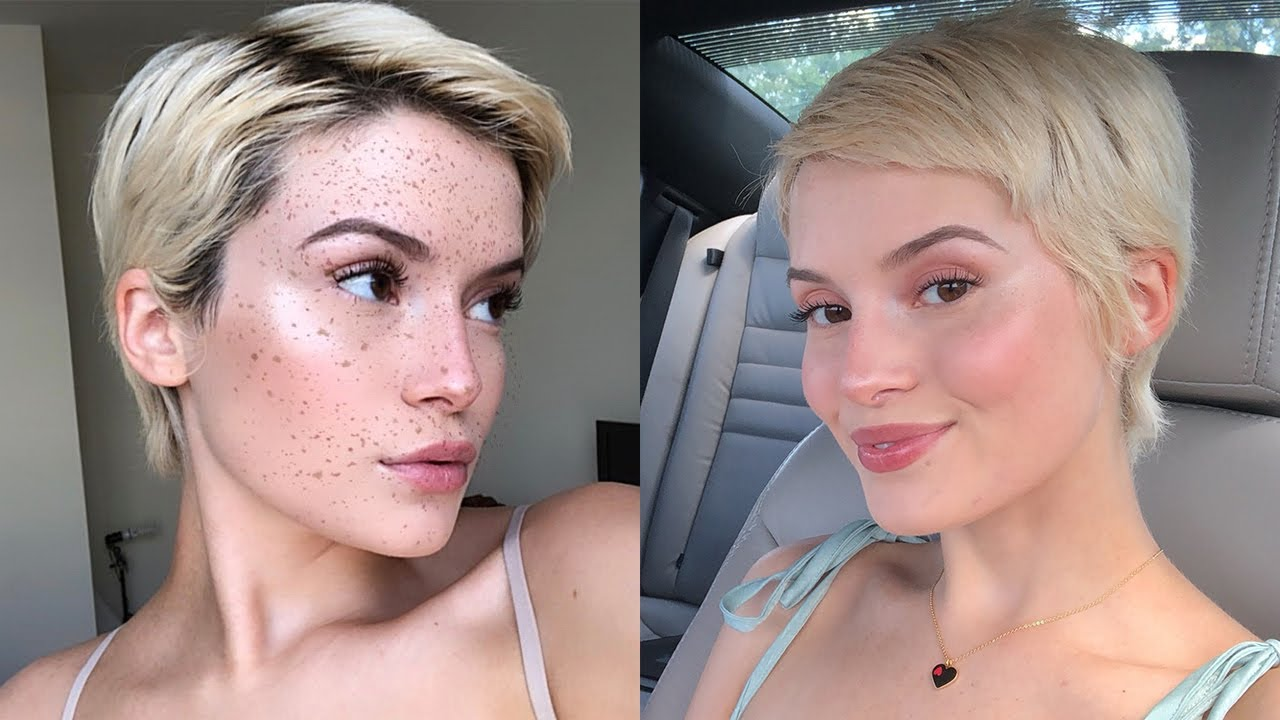
Growing out a short haircut sounds simple—just stop cutting it—but anyone who’s actually done it knows the reality can be frustrating. Bangs that won’t cooperate, layers that flip out strangely, and a shape that feels “almost” like a style but not quite. The good news is that you don’t have to suffer through months of awkward hair. With smart planning, strategic trims, and some styling tricks, you can turn each stage into a deliberate, flattering look.
Below is a practical guide to growing out a short haircut smoothly, from pixie to bob to longer styles, while still feeling polished and confident.
1. Start With a “Transition” Cut
Instead of simply letting your current short haircut grow wild, book one intentional cut to set the foundation.
Ask your stylist to:
- Soften harsh lines that will look bulky as they grow
- Remove extreme undercuts or heavy weight at the nape
- Add subtle layers so new length blends smoothly
- Shape the front and fringe to frame your face
Think of it as resetting your short style into a shape that grows out nicely, rather than fighting against a cut that only looked good when super short.
2. Let the Front Catch Up
One of the most common grow‑out issues is the unintentional “mullet” effect—when the back grows faster and looks longer than the front.
To avoid this:
- Trim the back more often while letting the front and top grow freely
- Keep the nape area clean and tapered for as long as possible
- Gradually lengthen the sides and fringe, aiming for a balanced shape around the face
By prioritizing length at the front and sides, you move more gracefully from pixie to short bob to bob, without that dragging, heavy back section.
3. Break the Process Into Stages
Instead of thinking “short” vs “long,” plan out intermediate styles and enjoy each stage.
Typical grow‑out stages:
- Pixie – Short sides and back, longer top
- Pixie‑bob – Sides and back gaining length, shape becoming more rounded
- Short bob – Roughly at jawline, fairly even all around
- Bob / Lob – Chin to collarbone length, lots of styling options
At each appointment, ask your stylist:
- “What’s the most flattering cut at my current length?”
- “What small changes can we make today that help me reach my final length?”
This way, every phase feels intentional rather than like you’re just “waiting it out.”
4. Schedule Smart, Minimal Trims
Hair grows on average about 1–1.5 cm per month. You don’t need constant cuts; you need strategic ones.
General guidelines:
- Trim every 8–12 weeks instead of every 4–6
- Ask for dusting the ends (a very light trim) to keep hair healthy
- Focus the trimming on areas that overgrow quickly (nape, around ears)
The goal is not to lose length—it’s to maintain a flattering shape while still making visible progress.
5. Use Styling to Your Advantage
Styling is your secret weapon for disguising awkward lengths and making each stage look like a deliberate choice.
Change Your Part
- A deep side part adds volume and can hide uneven grow‑out on one side
- A center part can make messy layers look more symmetrical
- Slightly shifting your part is often enough to refresh your look
Add Texture
Products like mousse, texturizing spray, or light wax can:
- Turn messy layers into intentional, piecey texture
- Add volume at the crown, so hair doesn’t lie flat against the head
- Help your hair “hold” a shape even when the cut is in transition
Pin, Clip, or Tuck
When fringe or side sections hit that annoying length where they fall in your eyes, try:
- Bobby pins to sweep hair off the face
- Small, neutral clips to secure pieces behind the ear
- A subtle twist or mini braid along the hairline for an intentional look
These tricks keep things neat and can make slightly awkward lengths look chic.
6. Use Headbands, Scarves, and Accessories
Accessories are invaluable during grow‑out. They instantly make your hair look “styled” with minimal effort.
Options:
- Thin headbands to keep growing bangs back
- Silk scarves tied like a wide headband for a retro‑pretty look
- Minimalist hairpins placed strategically at the sides
Stick to colors and designs that fit your personal style—classic, minimal, romantic, or bold. The right accessory can elevate even the most in‑between cut.
7. Experiment Safely With Wigs and Alternative Styles
On days when your hair truly feels uncooperative—or when you want to visualize a future length or different look—wigs can be a powerful, low‑commitment tool.
For example, if you’re curious how more volume and length with lots of texture might suit you, trying a deep curly wig lets you see how a fuller, longer style frames your face, without waiting months for your own hair to grow or dealing with a perm. If you’re considering going lighter or trying a sharper short style again, experimenting with a short blonde wig can show you how both the color and cut affect your overall look while your natural hair quietly continues to grow underneath.
8. Take Care of Your Hair as If It’s Already Long
Healthy hair grows more predictably and looks better at every stage.
Build good habits now:
- Use gentle, sulfate‑free shampoo and a hydrating conditioner
- Limit heat styling and always use a heat protectant
- Avoid tight, pulling hairstyles that stress the roots
- Incorporate scalp care: occasional massages and a clean, balanced scalp environment
Shiny, healthy hair looks more intentional, even when the shape isn’t perfect yet.
9. Adjust Expectations and Celebrate Milestones
Growing out a short cut takes time and patience. Rough timelines:
- Pixie to short bob: around 4–8 months, depending on your starting point and growth rate
- Pixie to shoulder length: often 10–14 months
Instead of obsessing over the final length, celebrate small wins:
- First time you can tuck hair behind your ears
- First mini ponytail or clip‑up
- First time it looks like a real bob when styled
Take photos every month or two—you’ll see progress more clearly and feel less stuck.
10. Work With, Not Against, Your Natural Texture
Finally, the easiest way to avoid awkwardness is to stop fighting your hair’s natural tendencies.
- If you have wave or curl, ask for cuts that enhance it rather than trying to keep everything flat and straight.
- If your hair is fine and straight, embrace styles with clean lines and light products for movement, not heavy creams.
When cut and styled in harmony with your texture, even in‑between lengths look more like a deliberate style than a phase you’re forced to tolerate.
Growing out a short haircut doesn’t have to be months of hiding under hats and feeling frustrated. With a good plan, occasional shaping cuts, simple styling tricks, and the option to experiment with temporary looks, you can move through each stage with confidence—turning “awkward” into a series of evolving, stylish versions of you.