Why Preventative Home Improvements Matter
Preventative home improvements are essential for protecting your property from mold, fire, and water damage. Many homeowners wait until a problem becomes severe before acting, which often leads to costly repairs and unnecessary stress. By making strategic upgrades, you can strengthen your home defenses and reduce the likelihood of emergencies. These improvements not only enhance safety but also increase the overall value and longevity of your property. A proactive approach ensures that your home remains resilient against environmental hazards. With thoughtful planning, you can create a safer and more durable living environment for your family.
Upgrade Ventilation Systems to Reduce Moisture
Proper ventilation is one of the most effective ways to prevent mold growth and moisture related damage. Bathrooms, kitchens, and laundry rooms are especially prone to humidity buildup, which can lead to mold if not managed correctly. Installing high quality exhaust fans helps remove excess moisture before it settles on surfaces. Whole home ventilation systems can also improve airflow and maintain balanced humidity levels throughout the property. Regular maintenance of these systems ensures they continue functioning efficiently. Working with a knowledgeable Pinellas County restoration company can help you determine which ventilation upgrades are best suited for your home.
Install Water Leak Detection Devices
Water leaks often go unnoticed until they cause significant damage, making early detection essential. Leak detection devices can be installed near appliances, sinks, water heaters, and plumbing fixtures to alert you at the first sign of moisture. These devices can prevent extensive water damage by giving you time to address the issue before it spreads. Some systems can even shut off the water supply automatically when a leak is detected. This added layer of protection is especially valuable for homeowners who travel frequently or have older plumbing systems. By investing in leak detection technology, you can significantly reduce the risk of hidden water damage.
Replace Old Wiring and Improve Electrical Safety
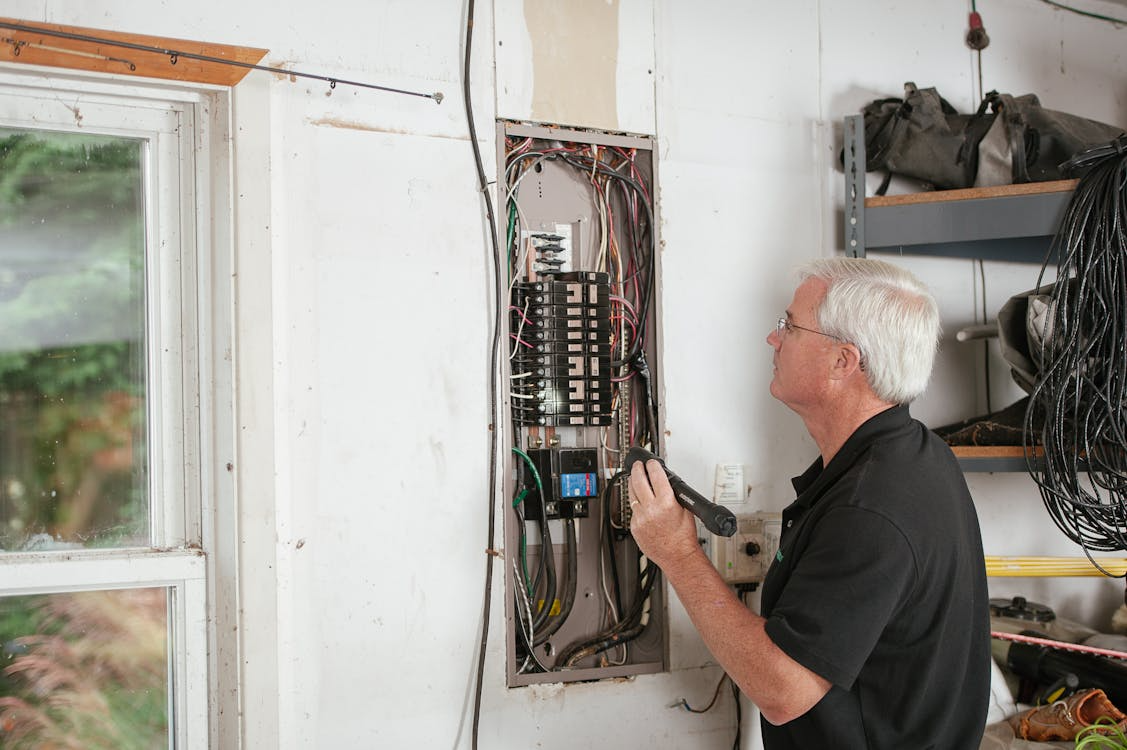
Electrical issues are a major cause of residential fires, and outdated wiring can pose serious risks. If your home is older, it may contain wiring that no longer meets modern safety standards. Replacing old wiring, upgrading electrical panels, and installing additional outlets can help prevent overloaded circuits. It is also important to ensure that all electrical work is performed by licensed professionals who understand current safety codes. Adding surge protectors and arc fault circuit interrupters can further reduce fire risks. These improvements create a safer electrical system that supports modern appliances and reduces the likelihood of fire hazards.
Improve Drainage Around the Home
Poor drainage can lead to water pooling around your foundation, which increases the risk of leaks, mold, and structural damage. Improving exterior drainage helps direct water away from your home and prevents moisture from seeping into basements or crawl spaces. This may involve regrading the landscape, installing French drains, or extending downspouts to move water farther from the structure. Regularly cleaning gutters and ensuring they are properly aligned also helps maintain effective drainage. These improvements protect your home from long term water damage and reduce the likelihood of costly repairs. A well designed drainage system is essential for maintaining a dry and stable foundation.
Use Mold Resistant Materials in High Moisture Areas
Certain areas of the home are naturally more prone to moisture, making them ideal candidates for mold resistant materials. Bathrooms, basements, and kitchens can benefit from mold resistant drywall, paint, and flooring. These materials are designed to withstand humidity and discourage mold growth even in damp conditions. Replacing carpet with tile or vinyl in moisture prone areas can also reduce the risk of mold. Using high quality sealants around sinks, tubs, and showers provides additional protection. These upgrades help create a healthier indoor environment and reduce long term maintenance needs.
Install Fire Resistant Building Materials
Fire resistant materials can significantly reduce the spread of flames and provide valuable time for evacuation during an emergency. Roofing materials such as metal, tile, or treated shingles offer better fire protection than traditional wood shingles. Fire resistant insulation, doors, and siding can also help slow the spread of flames. Installing smoke alarms and fire extinguishers in key areas further enhances safety. These improvements not only protect your home but also provide peace of mind. By choosing fire resistant materials, you create a safer environment for your family.
Conclusion
Home improvements that focus on preventing mold, fire, and water damage are essential for maintaining a safe and resilient property. By upgrading ventilation, improving drainage, enhancing electrical safety, and choosing durable materials, you reduce the risk of costly emergencies. These proactive steps help protect your investment and create a healthier living environment. With thoughtful planning and strategic upgrades, your home can remain strong and secure for years to come.