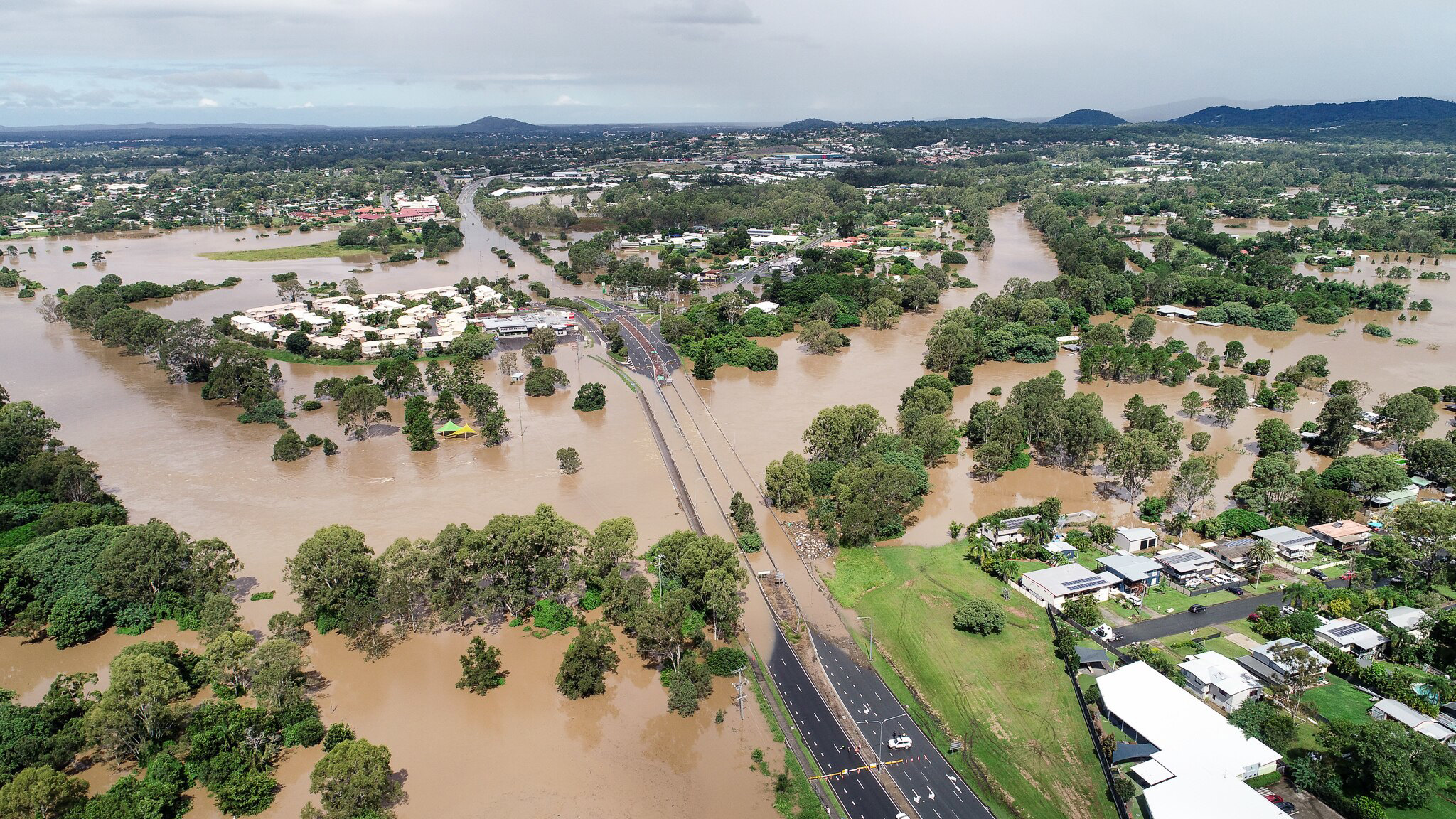
The Logan floods have served as a poignant reminder of the power of nature and the importance of being adequately prepared for future events. For property owners, it is crucial to take proactive steps to protect their investment and ensure the safety of the inhabitants. One effective way to mitigate flood risk is by utilising Due Diligence Reports, which provide detailed insights into a property’s flood history and risk factors.
Understanding the Impact of Floods on Properties
Floods can cause extensive damage to properties, affecting structures, electrical systems, and personal belongings. In addition to the immediate financial costs, there are often long-term consequences, such as increased insurance premiums and a decline in property value. Understanding these impacts is essential for property owners in flood-prone areas like Logan.
Conducting a Flood Risk Assessment
A thorough flood risk assessment involves evaluating the property’s location, historical flood data, and current flood maps. By accessing comprehensive Online Property Reports, residents can gain insight into the likelihood of future flooding and identify potential vulnerability points around their property.
Improving Property Resilience
Once you have assessed the flood risk, take steps to improve the property’s resilience against flooding. This might include installing barriers such as sandbags or flood boards, reinforcing structural components, and ensuring proper drainage around the property.
Implementing Proper Drainage and Water Management
Effective drainage is crucial in preventing floodwater accumulation. Consider installing systems such as French drains, sump pumps, and water-resistant materials to divert water away from the building. Regular maintenance of gutters and downspouts is also necessary to ensure water flows freely and does not overflow into unwanted areas.
Insurance and Legal Considerations
Property owners should review their insurance policies to ensure they provide adequate coverage for flood damage. It may be worthwhile to seek additional flood insurance, especially in high-risk areas. Additionally, understanding the legal obligations regarding property maintenance in flood zones can help in mitigating risks and potential liability issues.
Utilising Modern Technology
Technological advancements have made it easier to monitor weather patterns and receive early warnings about potential flood events. Utilising apps and online services that provide real-time flood warnings can be beneficial for timely preparations and evacuations if necessary.
Creating an Emergency Plan
Having a well-prepared emergency plan can save lives and reduce stress during a flood event. This includes outlining evacuation routes, securing important documents, and assembling emergency kits. Ensuring all household members are familiar with the plan is crucial for effective execution during an emergency.
Community Involvement
Flood preparedness is not only an individual responsibility but also a community effort. Engaging in local initiatives and collaborating with neighbours can enhance the overall resilience of the community. Participation in community meetings and workshops can provide valuable information and foster a sense of solidarity among residents.
Retrofitting Existing Structures
Retrofitting existing structures can significantly reduce the risk of flood damage. This might involve raising electrical systems above potential flood levels, sealing basements, and reinforcing walls. Professional guidance may be required for larger-scale modifications to ensure compliance with local building codes.
Environmental Considerations
Preserving the natural environment can play a role in flood prevention. Trees and vegetation can absorb excess rainwater, while wetlands can act as natural buffers against floods. Property owners should consider landscaping choices and heed environmental recommendations to reduce their flood risk.
Maintenance and Regular Inspections
Regular inspections and maintenance of the property are essential in flood risk management. Identify signs of wear and tear, such as leaks or cracks, and address them quickly. Keeping the property in good condition minimises vulnerabilities and enhances its ability to withstand flood conditions.
The Role of Local Authorities
Collaborating with local authorities is important for staying informed about flood risks and resources available for preparation. Local government websites often provide updated information and guidelines for residents. Utilising these resources ensures property owners are well-equipped to handle potential flood threats.
Learning from Past Incidents
Reviewing past flood events and the response strategies can provide crucial insights for future preparations. Analysing what worked well and identifying areas for improvement can enhance readiness and resilience. Engaging with community leaders and flood management experts can offer different perspectives on effective preparation.
Staying Informed and Proactive
A proactive approach to flood preparation not only protects properties but also enhances peace of mind. Regular updates from meteorological sources and continuous education on flood preparedness are key components of effective risk management. Accessing a comprehensive Property Report can be an invaluable tool in understanding and mitigating personal flood risk.
In summary, the lessons from the Logan floods are clear: preparation is paramount. By taking the necessary steps to assess and enhance property resilience, residents can reduce the impacts of future floods and safeguard their investments. Staying informed and working together within the community are integral to building robust defences against the challenges that lie ahead.