Introduction
Across Canadian commercial kitchens, food processing plants, and industrial facilities, regular cleaning is essential for sanitation and equipment maintenance. Traditional pressure washers powered by gasoline engines cannot be used indoors due to carbon monoxide emissions. An LP gas cabinet pressure washer uses clean-burning liquid propane gas, allowing indoor operation with proper ventilation. Canadian facility managers, plant operators, and commercial kitchen owners use these units for interior cleaning where electric pressure washers lack sufficient power.
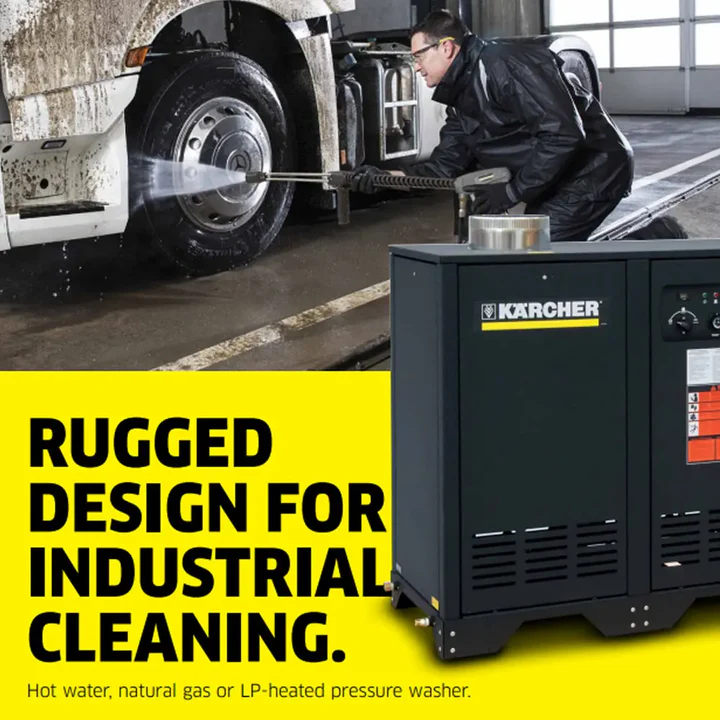
Common Applications and Cleaning Method
LP gas pressure washers are commonly used for:
· Food processing equipment sanitation
· Commercial kitchen floor and wall cleaning
· Warehouse bay and loading dock washing
· Manufacturing plant floor maintenance
· Industrial equipment degreasing
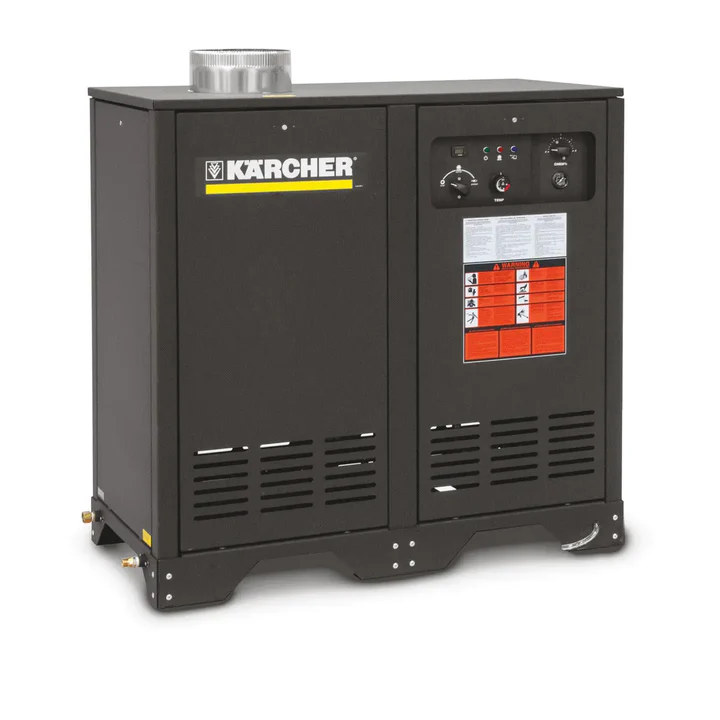
The unit operates on 3000 pounds per square inch at 4.8 gallons per minute. This flow rate and pressure combination is effective for removing grease, food residue, and industrial soils. The cabinet design encloses the engine and pump, reducing noise and protecting components from the cleaning environment.
Indoor Operation and Air Quality
Gasoline engines produce carbon monoxide, a colorless, odorless gas that is fatal in enclosed spaces. LP gas engines produce significantly lower carbon monoxide levels and are approved for indoor use when properly ventilated. Food processing facilities that require daily deep cleaning can use LP gas pressure washers inside production areas, eliminating the need to move equipment outdoors for washing.
Key advantages of LP gas for indoor cleaning:
· Carbon monoxide levels within safety standards for indoor use
· No gasoline storage or spill risks inside facilities
· LP gas cylinders are interchangeable and easy to handle
· Cleaner burning than gasoline, reducing maintenance
Power and Cleaning Efficiency
Electric pressure washers suitable for indoor use typically max out at 1500 to 2000 pounds per square inch. This pressure level struggles to remove baked-on grease from restaurant kitchen floors or sanitizing solution residue from food processing equipment. The 3000 pounds per square inch and 4.8 gallons per minute combination provides commercial-grade cleaning power that electric units cannot match.
The higher flow rate also reduces cleaning time. A 2 gallon per minute unit requires more passes to rinse away soils. The 4.8 gallon per minute flow removes contaminants faster, improving productivity for cleaning crews.
Cabinet Design and Noise Reduction
The cabinet enclosure serves multiple purposes. It contains engine noise, reducing sound levels in occupied work areas. It protects the engine and pump from water spray during cleaning. The cabinet also provides a professional appearance suitable for visible installation in commercial kitchens or production areas.
The enclosed design also includes proper ventilation for combustion air and exhaust. Proper installation requires connection to building ventilation or exhaust systems to remove combustion byproducts.
Safety Practices and Operational Guidelines
Safe operation of an indoor pressure washer requires several key practices:
· Ensure adequate ventilation for combustion air and exhaust
· Install carbon monoxide detectors in the work area
· Never operate with damaged LP gas hoses or fittings
· Shut off LP gas supply when not in use
· Store spare LP cylinders outside the building
LP gas is heavier than air and can accumulate in low areas if a leak occurs. Gas detectors should be installed at floor level where LP gas would collect. Regular leak testing of fittings and hoses is essential.
Advantages and Limitations
Advantages of an LP gas cabinet pressure washer include:
· Indoor-capable operation with proper ventilation
· 3000 PSI and 4.8 GPM cleaning power
· No gasoline storage required
· Quieter operation than open-frame gas units
· Cabinet protects components from cleaning environment
Limitations to consider:
· Requires building ventilation system connection
· LP gas storage and handling requirements
· Higher initial cost than gasoline units
· Carbon monoxide monitoring recommended
· Professional installation typically required
Real-World Application Example
A Canadian food processing plant in Ontario produced ready-to-eat meals. Daily sanitation required cleaning production equipment and floors. Electric pressure washers were ineffective on cooked-on food residue. Gasoline units could not be used indoors. The plant installed an LP gas cabinet pressure washer connected to the building exhaust system. The 3000 PSI pressure removed baked-on residue efficiently. The plant reduced cleaning time by 40 percent and passed health inspections without violations.
Conclusion and Future Outlook
TMG Industrial LP gas cabinet pressure washers enable Canadian commercial facilities to use high-pressure cleaning indoors where electric units lack power. The combination of 3000 PSI, 4.8 GPM, and indoor-capable operation makes these units essential for food processing, commercial kitchens, and industrial plants. As indoor air quality regulations evolve, LP gas technology will likely remain the standard for indoor high-pressure cleaning.
Facility managers should evaluate LP gas pressure washers for any indoor cleaning application requiring more power than electric units can provide. The 3000 PSI rating and cabinet design make this unit suitable for diverse Canadian commercial cleaning applications.