Introduction
A roof is one of the most important structural components of any building, providing protection against weather, insulation for energy efficiency, and long-term durability for the entire structure. Whether for residential or commercial properties, the quality of a roofing system directly impacts safety, comfort, and maintenance costs over time. One of the most critical steps in ensuring long-lasting performance is proper roof installation, because even the best materials will fail if they are not installed correctly.
Roofing systems are constantly exposed to environmental stress such as rain, wind, sunlight, and temperature fluctuations. Over time, these elements can weaken materials and create vulnerabilities if the system is not properly designed and installed. A well-executed installation process ensures that every layer of the roof works together to provide maximum protection and efficiency.
Understanding how roofing systems are built and what factors affect their performance helps property owners make informed decisions and avoid costly future repairs.
Understanding How Roofing Systems Are Built
A complete roofing system is made up of multiple layers, each serving a specific purpose. The outermost layer, such as shingles, tiles, or metal sheets, acts as the first barrier against external weather conditions.
Below this surface layer is the underlayment, which provides additional waterproofing and protects the structure from moisture infiltration. Flashing is installed around joints, vents, and chimneys to prevent leaks in vulnerable areas.
The roof deck serves as the structural foundation, supporting all other layers. Proper ventilation systems are also integrated to regulate temperature and moisture levels, preventing condensation and mold growth.
When all these components are installed correctly, the roofing system works as a unified structure that delivers long-term durability and protection. This is why professional roof installation is essential for ensuring system integrity.
Importance of Proper Roof Design Before Installation
Before any roofing work begins, proper planning and design are required. Load calculations must be performed to ensure that the structure can support the chosen roofing materials.
The slope or pitch of the roof plays a key role in water drainage and overall performance. Incorrect slope design can lead to water pooling, which increases the risk of leaks and structural damage.
Material selection is also an important part of the design process. Different materials offer varying levels of durability, energy efficiency, and weather resistance.
Proper planning ensures that roof installation is tailored to the building’s specific needs, improving performance and extending lifespan.
Step-by-Step Roof Installation Process
The roof installation process involves several carefully coordinated steps that must be completed with precision.
The first step is preparation, which includes removing old roofing materials if necessary and inspecting the underlying structure for damage. Any issues with the roof deck must be repaired before new materials are installed.
Next, underlayment is applied across the roof surface to create a waterproof barrier. This layer is essential for protecting the structure from moisture infiltration.
After this, flashing is installed around chimneys, vents, and roof edges to seal vulnerable areas.
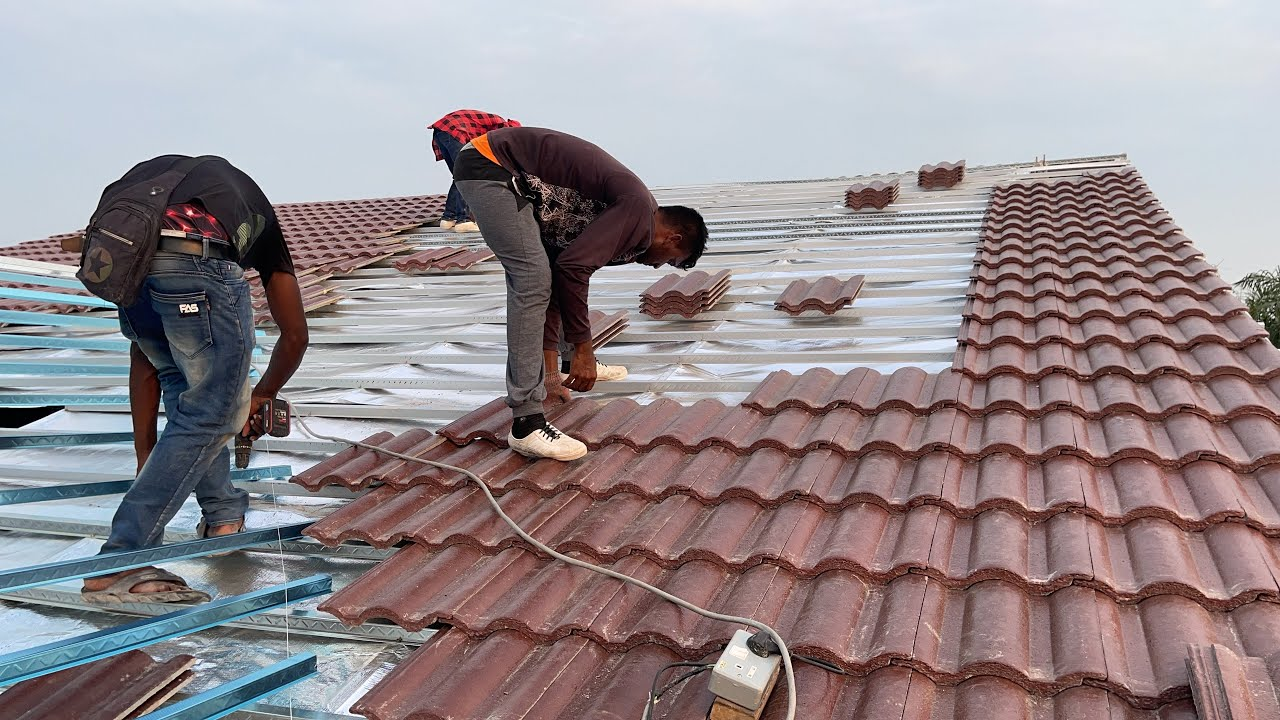
The outer roofing material is then installed, whether shingles, tiles, or metal panels, starting from the bottom and working upward to ensure proper overlap and water shedding.
Finally, ridge caps and finishing components are installed, and the entire system is inspected for alignment, sealing, and structural integrity.
A properly executed roof installation ensures long-term durability and reliable performance under all weather conditions.
Common Installation Mistakes and Their Consequences
Improper installation can lead to serious problems that affect both performance and safety. One of the most common mistakes is incorrect nailing or fastening, which can cause materials to loosen over time.
Poor alignment of shingles or panels can lead to gaps that allow water infiltration.
Inadequate sealing around flashing areas is another frequent issue that results in leaks.
Using low-quality materials or skipping essential layers such as underlayment can significantly reduce roof lifespan.
These mistakes highlight the importance of professional expertise during roof installation to ensure long-term protection.
Early Signs of Installation Issues
Even after installation, certain signs may indicate problems with the roofing system. Water stains on ceilings or walls often suggest leaks caused by improper sealing.
Uneven or loose roofing materials may indicate poor fastening techniques.Sagging roof sections can point to structural issues or improper load distribution.
Higher energy bills may suggest insulation problems caused by installation errors.Addressing these issues early helps prevent more serious damage and costly repairs.
Importance of Maintenance After Installation
Even a properly installed roof requires regular maintenance to ensure long-term performance. Routine inspections help identify minor issues before they develop into major problems.
Cleaning gutters and removing debris prevents water buildup and structural strain.Checking flashing and seals ensures that vulnerable areas remain protected.
Seasonal inspections are especially important after storms or extreme weather events.Regular maintenance helps preserve the effectiveness of roof installation and extends the life of the entire roofing system.
Professional Roofing Services and Long-Term Reliability
While some minor maintenance tasks can be performed by property owners, professional expertise is essential for installation and major repairs. Roofing systems involve complex structural and waterproofing components that require specialized knowledge.
Professional contractors ensure that every step of the installation process is completed correctly and safely.
For high-quality results and long-term durability, roof installation services provide expert solutions designed to ensure structural strength, weather resistance, and energy efficiency.
Professional services also include warranties and inspections that help protect long-term investment.
Energy Efficiency and Roofing Performance
A properly installed roof plays a major role in improving energy efficiency. It helps regulate indoor temperature by reducing heat loss in winter and minimizing heat gain in summer.
Insulation and ventilation systems installed during roof installation contribute to stable indoor climates.Poor installation, on the other hand, can lead to air leaks and increased energy consumption.
An efficient roofing system reduces heating and cooling costs while improving overall comfort.
Environmental Impact of Roofing Systems
Roofing systems also have environmental implications due to material usage and energy consumption. Poorly installed roofs can lead to higher energy waste and increased environmental impact.
Modern roofing materials are designed to be more sustainable and energy-efficient.Proper installation extends the lifespan of roofing materials, reducing waste and the need for frequent replacements.
Sustainable roofing practices are becoming increasingly important in modern construction.
Technological Advancements in Roofing Installation
Advancements in technology have significantly improved roofing methods and materials. Modern tools allow for more precise measurements and better installation accuracy.
Drone inspections help assess roof conditions safely and efficiently.Advanced sealants and waterproofing materials improve durability and leak protection.Digital modeling tools assist in designing more efficient roofing systems before installation begins.These innovations have made roof installation more reliable and efficient than ever before.
Future of Roofing Systems
The future of roofing technology is focused on sustainability, smart monitoring, and energy efficiency. Smart roofs equipped with sensors will be able to detect leaks and structural issues in real time.
Eco-friendly materials will continue to replace traditional roofing products.Energy-generating roofing systems, such as solar-integrated designs, will become more common.These advancements will improve performance while reducing environmental impact.
Conclusion
A strong and well-designed roofing system is essential for protecting any building from environmental damage and ensuring long-term structural stability. Proper installation is the foundation of roof performance and directly affects durability, efficiency, and maintenance needs.
Understanding the importance of planning, material selection, and professional execution helps ensure successful outcomes. With expert roof installation and ongoing maintenance, property owners can achieve long-lasting protection, improved energy efficiency, and reduced repair costs for many years.