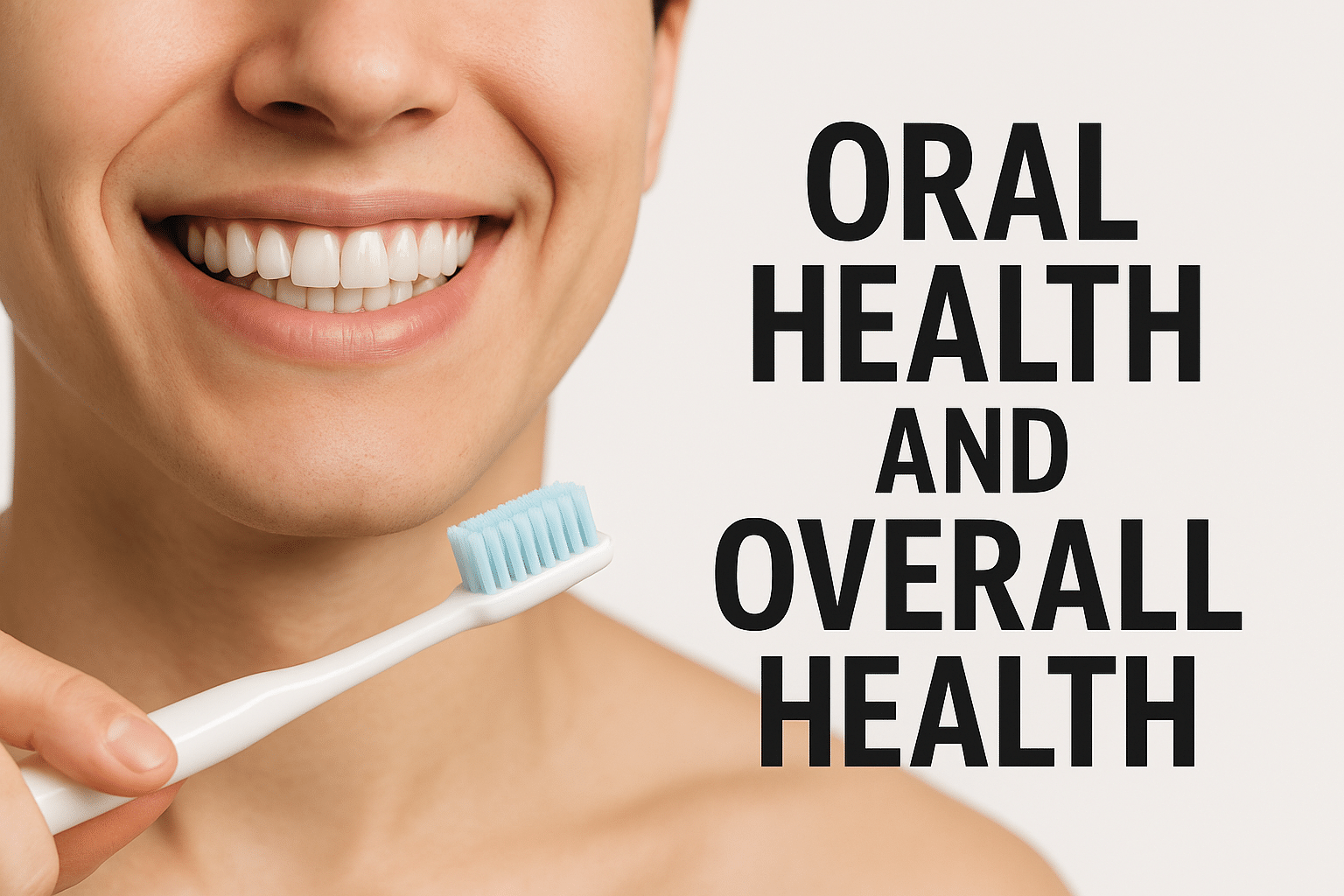
Most people treat oral health as something entirely separate from their general well-being, a routine matter of brushing, flossing, and sitting through the occasional dentist visit. The reality, though, is far more interconnected than that. Your mouth actually serves as a window into your body’s broader health, and what happens there can have genuine consequences for the rest of you. Understanding that connection is one of the most important steps any adult can take toward building a healthier life.
The Mouth-Body Connection
The relationship between oral health and systemic health is well-documented in medical research, and the findings are hard to ignore. Your mouth is home to hundreds of different bacteria, most of them harmless, but without proper hygiene, the harmful ones can multiply and lead to infection. From there, those bacteria can enter the bloodstream and travel to other parts of the body, fueling inflammation and contributing to disease. Conditions like periodontitis, which is severe gum disease, have been linked to heart disease, stroke, and even respiratory problems. This is exactly why dentists and physicians alike emphasize that caring for your teeth and gums goes far beyond maintaining a nice smile.
Gum Disease and Systemic Conditions
Gum disease ranks among the most common oral health problems adults face, and its effects can reach well beyond the mouth. Research has shown strong associations between periodontal disease and conditions like diabetes, cardiovascular disease, and rheumatoid arthritis. For people managing diabetes, the relationship is especially significant because elevated blood sugar can worsen gum infections, while gum disease can make blood sugar harder to control. Pregnant women with untreated gum disease have also been shown to carry higher risks for premature birth and low birth weight. These connections make early detection and consistent treatment of gum disease a genuine priority for overall health management.
How Oral and Maxillofacial Surgery Fits Into the Picture
For many adults, dental issues go beyond what routine cleanings and fillings can handle. Patients dealing with impacted wisdom teeth, jaw misalignment, facial trauma, or serious oral infections often need to turn to specialists in oral and maxillofacial surgery for the kind of comprehensive care that addresses complex conditions affecting the mouth, jaw, face, and neck. These procedures can be critical not just for restoring comfort and function, but for preventing far more serious health complications down the road. An untreated dental abscess, for example, can spread to surrounding tissue and become life-threatening if left alone. Knowing when to seek surgical care is a key part of staying on top of your health overall.
Oral Health Habits That Make a Real Difference
Prevention is always the smartest strategy when it comes to oral health. Brushing twice a day with fluoride toothpaste, flossing daily, and seeing your dentist at least twice a year are the foundational habits every adult should be maintaining. Diet plays a significant role as well. Limiting sugary and acidic foods helps protect enamel, while foods rich in calcium and essential vitamins support both gum and tooth health. Staying well-hydrated keeps saliva production up, which naturally helps wash away bacteria and neutralize acids in the mouth. Avoiding tobacco products is equally critical, since smoking remains one of the leading contributors to gum disease and oral cancer.
Recognizing Warning Signs Early
Many oral health problems develop gradually, which makes early warning signs surprisingly easy to overlook or dismiss entirely. Persistent bad breath, bleeding gums, tooth sensitivity, or ongoing jaw pain can all signal that something deserves attention. Lumps, sores, or patches inside the mouth that do not heal within two weeks should always be evaluated by a professional, as they can sometimes be early indicators of oral cancer. Adults over 40 are particularly encouraged to stay vigilant, since the risk of oral cancer and other serious conditions increases with age. The sooner a problem is identified, the more treatment options remain on the table.
Putting It All Together
Oral health is not a standalone concern to be addressed only when something hurts. It is deeply woven into your overall physical health in ways that are easy to overlook until a problem grows serious. By staying consistent with dental care, paying attention to what your mouth might be telling you about your body’s condition, and seeking timely professional help when something feels off, you put yourself in a much stronger position to stay healthy for the long haul. Taking your mouth seriously is, quite simply, taking your health seriously.