Living in a community governed by a homeowners association comes with its own unique set of responsibilities, and lawn care tends to sit right at the center of most HOA-related disputes. While these rules exist to protect property values and promote a sense of neighborhood harmony, they can sometimes feel restrictive or downright confusing to homeowners who just want a healthy, attractive yard. Understanding how to work within those guidelines, rather than pushing against them, is really the key to avoiding fines, disputes, and unnecessary stress. With the right approach, maintaining a lawn you’re proud of and staying on good terms with your HOA is absolutely achievable.
Understanding What Your HOA Can Actually Require
Most HOAs have governing documents that spell out specific lawn care standards, covering everything from grass height to weed control and even the types of plants permitted in your yard. These documents, commonly referred to as Covenants, Conditions, and Restrictions (CC&Rs), are legally binding agreements that homeowners accept at the time of purchase. Reading through them thoroughly before any issues arise is well worth the effort. Many homeowners are genuinely surprised by how detailed these requirements can get, specifying mowing frequency, acceptable grass species, or even how lawn edges along sidewalks and driveways should look.
Common Lawn Care Violations and How to Avoid Them
Overgrown grass, visible weeds, brown patches, and uneven edges are among the most frequently cited violations in HOA-governed communities. These problems often stem not from carelessness but from a simple lack of time or know-how when it comes to consistent lawn maintenance. Staying ahead of these issues means keeping up with mowing, watering, fertilizing, and pest control on a regular schedule throughout the year. If you do receive a notice from your HOA, read it carefully and respond promptly because ignoring violations can lead to escalating fines or, in more serious cases, legal action. Reaching out to your HOA board proactively is often the fastest way to resolve minor issues before they snowball into something much bigger.
Working With Your HOA, Not Against It
One of the most effective strategies for navigating HOA lawn rules is to build a genuinely cooperative relationship with your association’s board or management team. If you have questions about specific requirements or need a little flexibility due to a lawn problem like disease or drought damage, reaching out directly and respectfully often results in a reasonable accommodation. Many HOAs also welcome homeowner participation during community meetings, giving residents a real opportunity to suggest updates to guidelines that may feel outdated or overly strict. Treating the relationship as a partnership rather than a standoff tends to produce better outcomes for everyone involved.
When Professional Help Makes All the Difference
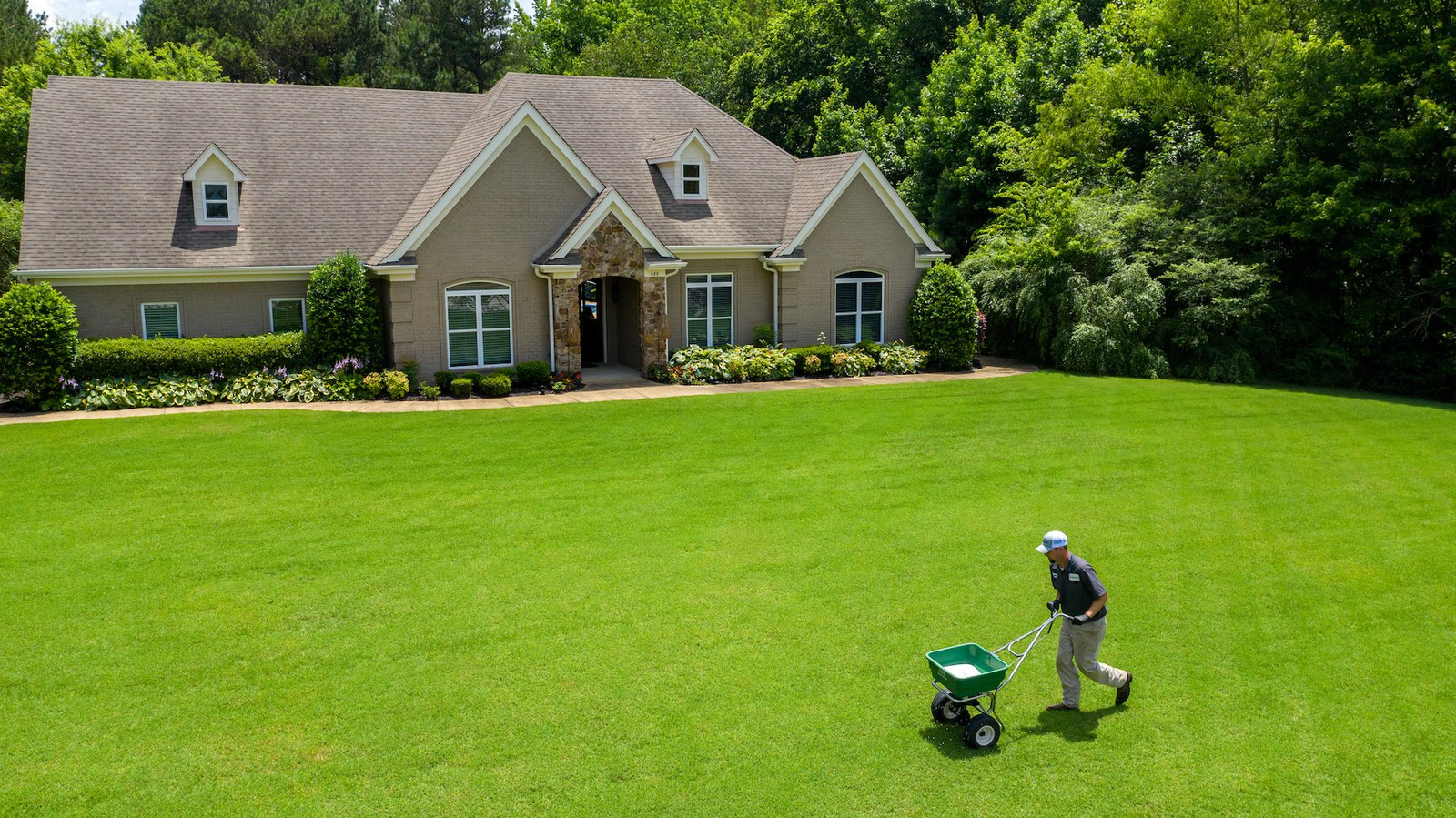
Keeping pace with HOA standards can feel genuinely overwhelming, especially during peak growing seasons when grass and weeds seem to outpace every effort to stay on top of them. That’s where enlisting professional lawn treatment services becomes a smart, practical solution for homeowners who want to stay compliant without sacrificing their entire weekend to yard work. Professionals bring real expertise in identifying and treating problems like grubs, fungal disease, and nutrient deficiencies that might otherwise go unnoticed until they cause serious damage. A consistently well-maintained lawn keeps your HOA satisfied and also strengthens your home’s curb appeal and overall property value. Having a reliable maintenance schedule in place takes the guesswork out of compliance entirely.
Knowing Your Rights as a Homeowner
HOAs do carry real authority over lawn standards, but homeowners also have legal protections that limit what an association can actually enforce. Many states have passed laws preventing HOAs from prohibiting drought-tolerant or native plants, and some jurisdictions specifically protect homeowners who choose eco-friendly landscaping practices. If you believe your HOA is enforcing rules unfairly or selectively targeting certain residents, you have the right to dispute the violation through the association’s internal appeal process. Consulting with a real estate attorney who knows HOA law can help clarify your options if the situation escalates beyond what you can resolve on your own.
Conclusion
Navigating lawn care expectations in an HOA community doesn’t have to be a constant source of conflict or anxiety. By understanding the rules, keeping communication open with your board, and committing to a consistent lawn care routine, you can keep your yard looking its best while steering clear of costly disputes. A little preparation and the right support can make HOA living a genuinely positive experience for the whole neighborhood.