A durable driveway begins with a strong and stable foundation. Selecting the right base material determines not just the driveway’s longevity but also its resistance to wear, shifting, and water damage. Among the most reliable materials available, #57 stone has emerged as a preferred choice for professional-grade driveway foundations due to its structural strength, drainage capability, and low maintenance requirements.
Why #57 Stone Is the Preferred Foundation Material
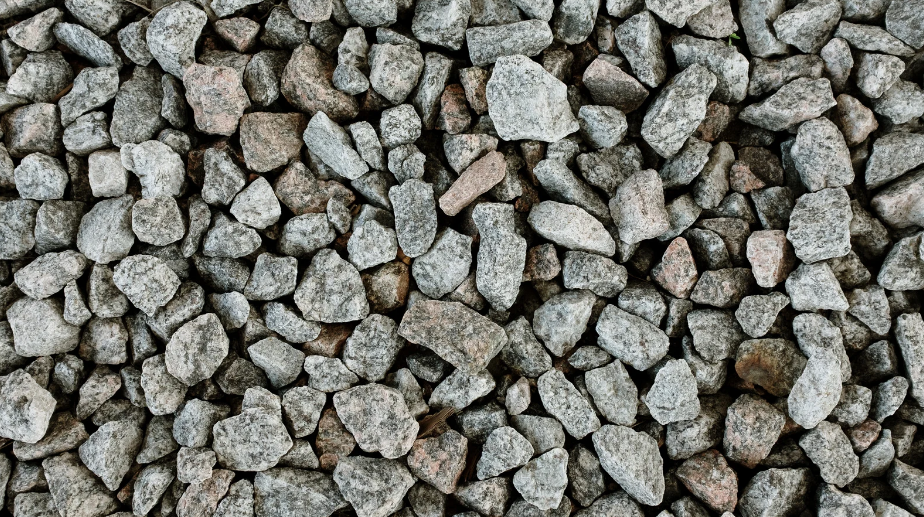
The foundation of a driveway carries the full load of vehicles and must withstand constant pressure, temperature fluctuations, and moisture. #57 stone, typically composed of crushed granite or limestone, is recognized for its angular shape and consistent size—usually around three-quarters of an inch. This shape allows the stones to interlock tightly, providing exceptional load-bearing capacity and reducing displacement under vehicle weight.
Another major advantage is its superior drainage. Unlike finer gravel or compacted soil, #57 stone creates natural voids that let water pass through easily, preventing pooling or flooding beneath the surface. This helps eliminate one of the most common causes of driveway deterioration—frost heave and soil erosion. Professionally installed stone bases ensure long-term stability and reduce costly maintenance down the road.
The Importance of Proper Site Preparation
Even the best material cannot perform optimally without proper installation. Before the stone layer is added, professionals typically perform grading to level the surface and promote runoff. A geotextile fabric is often installed beneath the stone to separate it from the soil, preventing sediment migration and preserving structural integrity. Compaction in thin layers ensures even support and prevents settling over time.
A well-prepared base also integrates aesthetic and functional landscaping around the driveway. Using mulch in Alpharetta near driveway borders enhances visual appeal while maintaining soil moisture balance. This approach complements the driveway’s stability by preventing soil displacement and erosion along the edges, helping the entire structure maintain its form for years.
Performance and Longevity Advantages
One of the standout qualities of #57 stone is its long-term reliability. Its uniform particle size and dense compaction minimize rutting and surface deformation, even under repeated vehicular pressure. The material’s natural hardness and resistance to weathering make it ideal for all climate conditions—from heavy rain to freezing winters.
Additionally, #57 stone is remarkably low-maintenance. Once properly installed, it requires minimal upkeep aside from occasional regrading or compacting. This translates to a lower lifetime cost compared to alternatives like asphalt or concrete, which demand frequent repairs and sealing. Beyond driveways, the same material is widely used in foundations, drainage systems, retaining walls, and pathways—further showcasing its versatility in construction and landscaping projects.
Environmental Benefits and Sustainable Use
From an environmental perspective, #57 stone offers several advantages. Its permeability reduces stormwater runoff, supporting natural groundwater recharge and preventing surface flooding. It also eliminates the need for chemical binders, making it an eco-friendly option for property owners who value sustainable building practices.
Sourcing locally crushed stone further reduces transportation emissions, aligning with green construction goals. Professionals often recommend this approach to clients seeking both performance and environmental responsibility.
Conclusion
A properly engineered driveway foundation built with #57 stone delivers unmatched stability, drainage, and durability. Its interlocking design and permeability make it a superior choice for long-lasting installations with minimal maintenance. By choosing professional installation and strategic site preparation, property owners ensure a resilient, sustainable, and cost-efficient driveway that enhances both functionality and curb appeal.