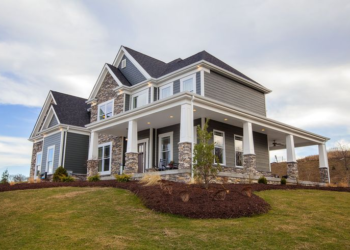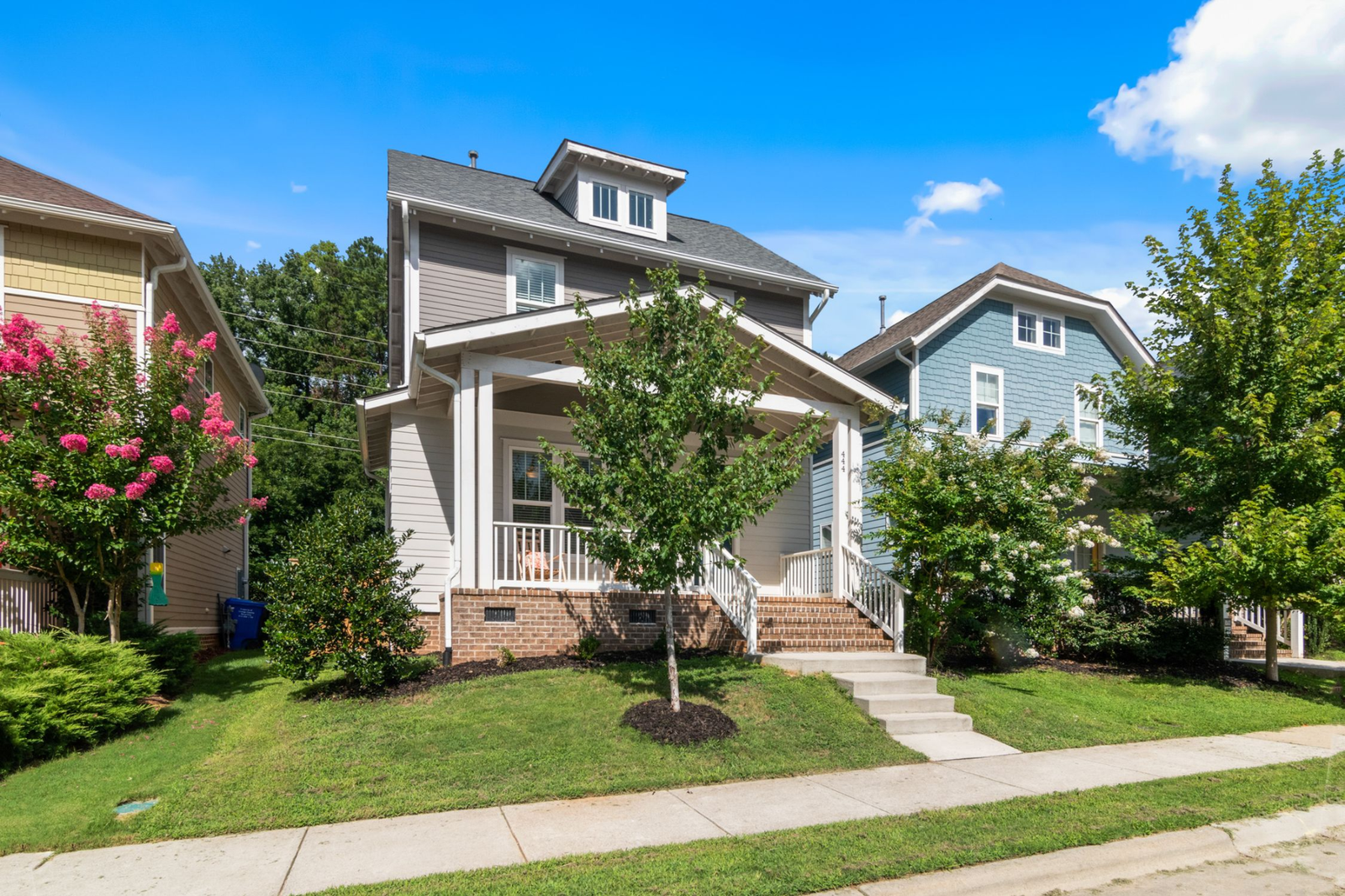
Building your own home represents one of life’s most exciting adventures, and one of its biggest challenges. The journey from an empty plot of land to a fully realized dream home requires careful planning, substantial resources, and a commitment that shouldn’t be taken lightly. Sure, the idea of creating a custom living space tailored exactly to your vision sounds incredible, but here’s the thing: many aspiring homebuilders don’t quite grasp just how complex this undertaking really is. Before that first shovel hits the dirt, you need to make absolutely certain you’ve got all your ducks in a row.
Securing Your Finances and Budget Planning
Let’s talk money, because without a solid financial foundation, your home-building project won’t get very far. Beyond the obvious costs like land and construction materials, there’s a whole universe of expenses that catch first, time builders completely off guard. Architectural fees, engineering consultations, permit costs, utility connections, landscaping, the list goes on. And here’s what seasoned builders will tell you: set aside at least 15-20% of your total budget for those “surprise” expenses that aren’t really surprises at all.
Assembling Your Professional Team
Here’s a truth that might seem obvious but bears repeating: you can’t build a home by yourself. Assembling the right team of professionals is absolutely critical to your success. Start with a qualified architect or designer who can take that vision in your head and turn it into actual blueprints that meet local building codes. You’ll need a reliable general contractor who knows how to coordinate the various construction phases, manage subcontractors effectively, and keep everything moving forward on schedule.
Navigating Permits and Legal Requirements
The legal side of home building can feel like navigating a maze blindfolded. Before any actual construction begins, you’ll need to collect various permits from your local municipality, building permits, electrical permits, plumbing permits, and potentially septic or well permits if you’re heading out to a rural area. Zoning regulations will have plenty to say about what you can build, where you can build it, and how your structure needs to sit on your property. Setback requirements, height restrictions, and architectural guidelines in certain neighborhoods might put some real limits on your design options.
Selecting Quality Materials and Systems
The materials and systems you choose for your home aren’t just about how things look, they’ll determine efficiency, durability, and how much maintenance you’ll be dealing with for decades. Start by researching building materials that make sense for your climate, your budget, and your aesthetic vision. Foundation choices range from slab-on-grade to full basements, each bringing different advantages and costs to the table. For framing, you’re typically looking at wood or steel, with decisions based on strength requirements, cost considerations, and what’s readily available in your region. Your exterior cladding might include brick, stone, vinyl siding, stucco, or fiber cement, each option comes with its own maintenance profile and energy efficiency characteristics. Windows and doors represent significant investments that directly impact your home’s energy consumption and security level. Interior selections like flooring, countertops, cabinets, and fixtures need to strike a balance between style, functionality, and budget realities. Major systems, heating, cooling, water management, require careful thought about both upfront costs and what you’ll pay to operate them over time. Energy-efficient options might make you wince at the initial price tag, but they deliver real savings down the road. When installing your roof, working with experienced Austin roofing contractors ensures proper installation that protects your investment from Texas weather conditions. Creating a detailed materials list early in the planning process helps prevent those budget-busting surprises and keeps everything consistent throughout your project.
Creating a Realistic Timeline
Managing time during home construction means planning carefully while staying flexible enough to handle the delays that will definitely happen. A typical custom home build takes anywhere from six months to over a year, depending on size, complexity, weather conditions, and whether the materials you need are actually available when you need them. Your timeline should break down each construction phase, site preparation, foundation work, framing, rough-in for mechanical systems, insulation and drywall, interior finishing, and final inspections. Weather throws curveballs at outdoor work, particularly when you’re pouring foundations, installing roofs, or finishing exteriors.
Planning for Site Preparation and Infrastructure
Before you can start building upward, your site needs substantial preparation that too many people forget about when they’re budgeting and planning. Site work includes clearing vegetation, grading the land for proper drainage, and creating access roads so construction vehicles and material deliveries can actually reach your property. You’ll need utility connections arranged, water lines, sewer or septic systems, electrical service, and potentially natural gas lines extending to your property. In rural areas, drilling a well and installing a septic system can represent major expenses and significant time investments.
Conclusion
Building your own home is an ambitious undertaking that demands comprehensive preparation across every dimension you can imagine. You need adequate financing secured, a skilled professional team assembled, complex permit requirements navigated, and quality materials selected with care. Realistic timelines that account for inevitable setbacks and proper site preparation create the foundation for success rather than frustration. While the process can certainly be challenging, and let’s be honest, occasionally overwhelming, those who enter this journey fully prepared with necessary resources, solid knowledge, and professional support behind them are far more likely to see their dream home become reality without the stress and financial strain that unprepared builders face.