Self-care has accumulated enough cultural baggage — associated in popular discourse with luxury consumption, performative wellness, and the commodification of rest — that the term itself has become somewhat difficult to use without qualification. Stripped of those associations, however, what self-care describes is genuinely important: the daily practices that maintain the physiological and psychological conditions in which a person can function effectively, sustain healthy relationships, and engage with their life from a place of adequate resource rather than chronic depletion. The self-care habits that most reliably reduce stress and support sustained wellbeing are not extravagant — they are consistent, modest, and grounded in what the body and mind actually need rather than what the wellness industry would like to sell.
Morning Practices That Set the Physiological Tone
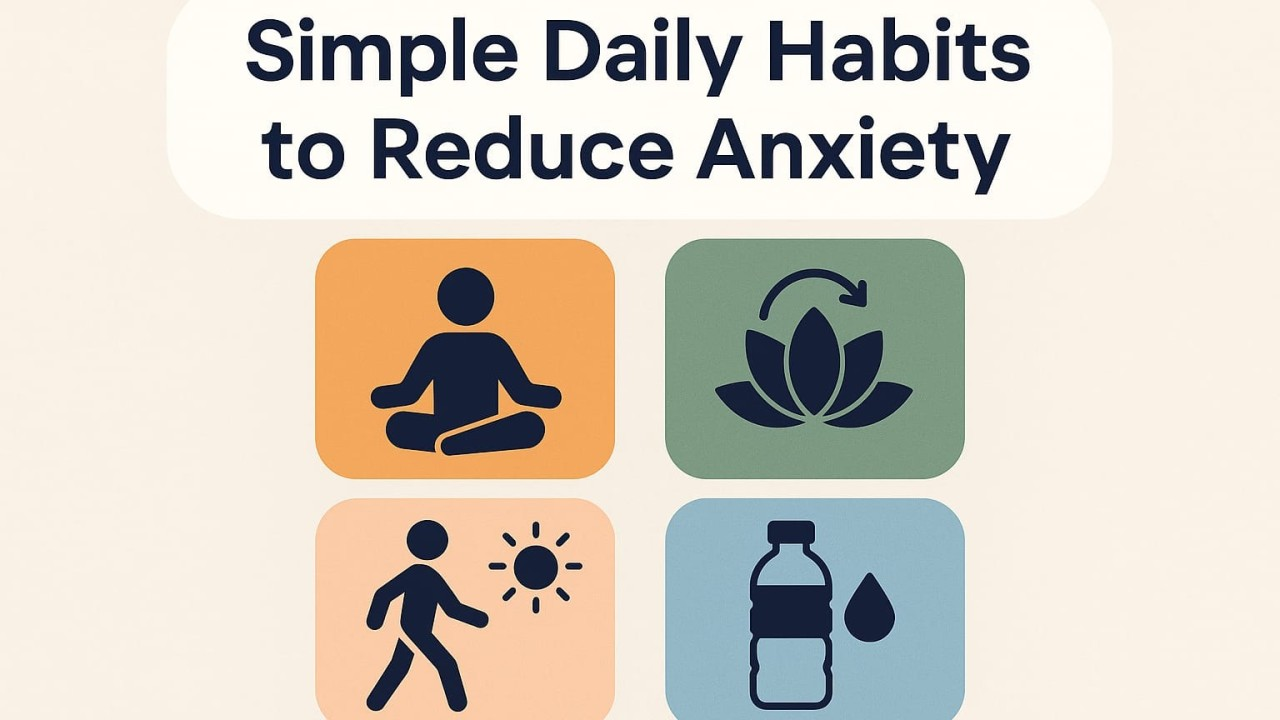
The physiological state in which a person begins their day has a measurable effect on how effectively they navigate the stressors that the day presents. Cortisol levels follow a natural rhythm that peaks in the hour or two after waking — a pattern called the cortisol awakening response — and the practices engaged during this window can either work with this natural energizing process or disrupt it in ways that affect mood, cognitive function, and stress reactivity throughout the day. Exposure to natural light shortly after waking supports the healthy calibration of the circadian rhythm that governs sleep, energy, and hormonal patterns. Brief physical movement in the morning — even ten to fifteen minutes of walking or gentle exercise — supports the metabolic and hormonal transitions that prepare the body for the day’s demands. Delaying engagement with the information and social media environment for at least the first thirty minutes of the day allows the nervous system to establish a baseline of relative calm before encountering the stimulation and reactivity that digital content reliably produces.
Nutritional Habits That Support Stress Resilience
The relationship between nutrition and stress resilience is more direct and more consequential than most people fully appreciate. Blood sugar stability — maintained through regular eating patterns, adequate protein at each meal, and moderation of refined carbohydrate intake — directly affects mood stability, cognitive clarity, and emotional reactivity in ways that make nutritional consistency one of the most practical daily stress management tools available. Chronic under-eating, irregular meal timing, and the blood sugar volatility associated with high-sugar dietary patterns all increase the physiological stress load on the body in ways that compound the effects of external stressors. Adequate hydration — which is consistently underestimated in its impact on cognitive function and mood — is among the simplest and most accessible nutritional practices for maintaining the baseline physiological conditions that support effective stress management.
Evening Practices That Support Recovery
Quality THCA strains and other plant-derived compounds are among the substances being explored for their potential to support the physiological transition into rest and recovery, reflecting growing interest in natural approaches to the challenge of genuinely winding down after demanding days. The behavioral and environmental practices that support this transition are equally important: a consistent wind-down routine that signals to the nervous system that the demands of the day are complete, reduction of blue light exposure in the hours before sleep, temperature management in the sleep environment, and the deliberate release of unfinished cognitive loops through journaling or planning practices that externalize tomorrow’s concerns rather than allowing them to circulate through an otherwise resting mind. These evening practices are not indulgences — they are the maintenance of the sleep quality on which every other aspect of daily functioning depends.
The Compound Effect of Small, Consistent Practices
The self-care habits that produce the most meaningful reduction in stress are not the occasional grand gestures of recovery — the spa day, the week off, the dedicated retreat — but the small, consistent daily practices that maintain a baseline of physiological and psychological resilience that prevents depletion from accumulating to the point of crisis. The morning light exposure, the regular meal, the brief movement, the consistent sleep schedule — none of these is individually dramatic, but their cumulative effect across days, weeks, and months is the difference between a stress response that is well-regulated and one that is chronically overwhelmed. Building these practices into daily life as genuinely non-negotiable commitments — with the same status as professional obligations rather than the provisional status of aspirations to be pursued when convenient — is the single most important step toward a daily life that feels genuinely manageable.
Conclusion
The daily self-care habits that most reliably reduce stress are not those that require significant time, money, or lifestyle disruption. They are those that are simple enough to maintain consistently and well-matched enough to the body’s actual needs to produce genuine physiological effect. Consistency is the variable that determines their impact — the morning practice maintained across six months produces results that the occasional intensive self-care weekend cannot replicate. Start with the practices most immediately accessible, protect them from the scheduling pressures that crowd out self-care before other obligations, and trust the compound effect of consistency to produce results that feel disproportionate to the modest daily investment required.