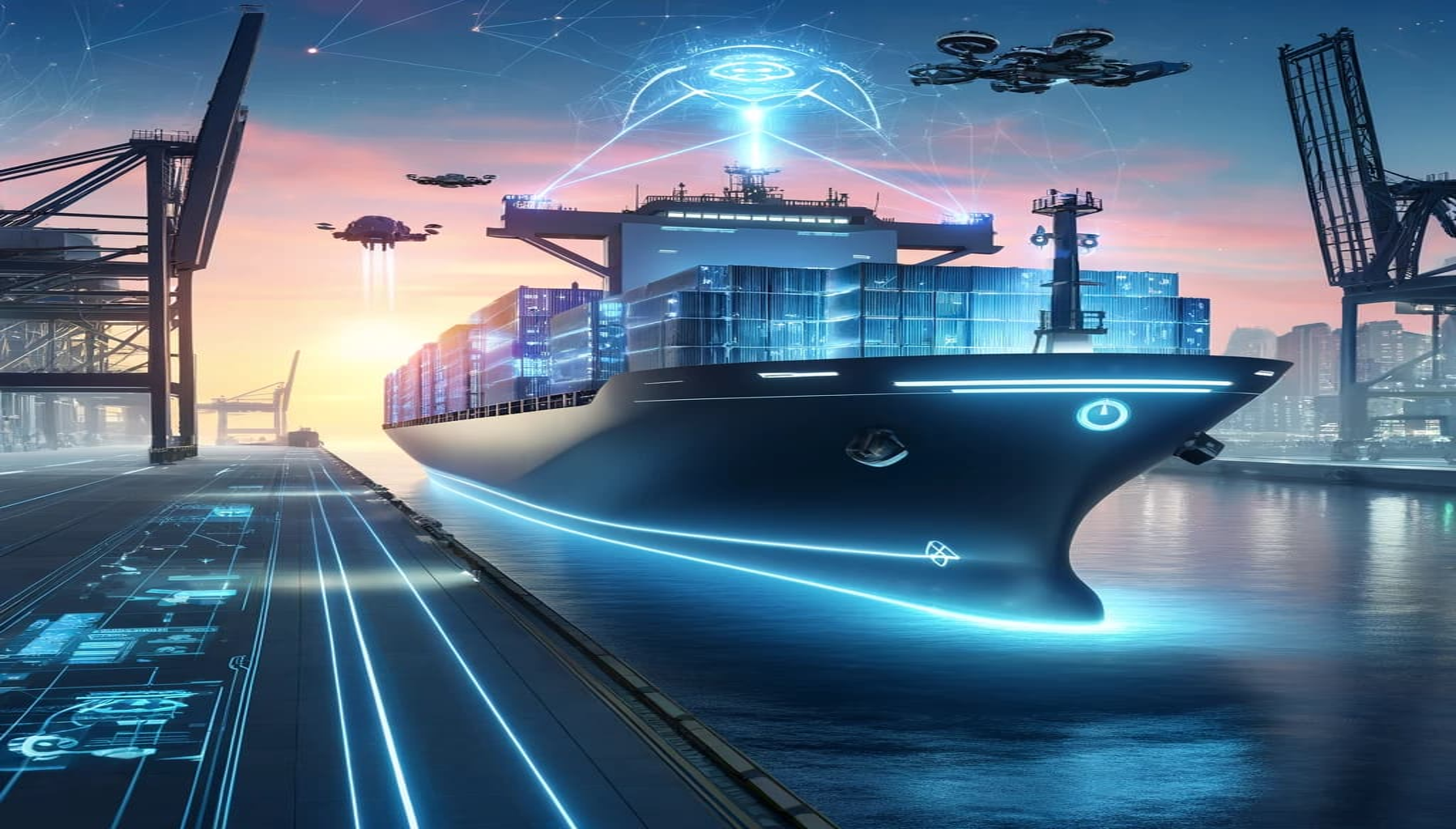
Technology continues to reshape industries across the world, and the maritime sector is no exception. From automation and smart navigation systems to energy efficiency and advanced engineering software, digital transformation has become a major part of modern maritime development. As shipping companies and marine industries adapt to new demands, innovation within ship design has become increasingly important.
Modern vessel development now combines engineering, software integration, sustainability goals, and operational efficiency to meet the evolving needs of global shipping and offshore industries.
The Role of Technology in Maritime Development
Digital solutions are becoming a central part of how vessels are planned, built, and operated. Advanced software tools allow designers and engineers to model ship structures, analyze performance, and improve operational systems before construction even begins.
Modern maritime technology may support:
- digital modeling and simulations
- performance optimization
- automated monitoring systems
- advanced navigation solutions
The integration of these systems depends on vessel type and operational requirements.
Smart Ships and Connected Systems
The concept of “smart ships” has gained attention across the maritime sector. Modern vessels increasingly use connected systems that collect and process operational data in real time.
These systems may help support:
- route optimization
- fuel efficiency monitoring
- maintenance planning
- onboard safety management
As connectivity improves, ships continue to become more technologically advanced.
Sustainability and Energy Efficiency
Environmental concerns have become a major priority within the shipping industry. Modern vessel projects often focus on reducing emissions and improving overall efficiency.
Sustainability initiatives may involve:
- alternative propulsion systems
- energy-efficient hull designs
- hybrid technologies
- lower fuel consumption strategies
Different maritime sectors may adopt sustainability solutions at different speeds depending on regulations and operational needs.
Digital Design Processes in Shipbuilding
Ship design today relies heavily on digital engineering tools and advanced software systems. Designers can create highly detailed simulations that help identify potential improvements before construction begins.
Digital tools may be used for:
- structural analysis
- stability calculations
- interior layout planning
- hydrodynamic simulations
This allows shipbuilders to improve accuracy and optimize vessel performance during the development phase.
The Importance of User Experience
Modern vessels are designed not only for operational performance but also for the people who work and travel onboard. Passenger ships, research vessels, and offshore platforms increasingly focus on comfort and usability.
Key considerations may include:
- ergonomic workspaces
- optimized cabin layouts
- noise reduction systems
- efficient use of onboard space
User experience has become an important factor in modern maritime projects.
Automation and Future Navigation
Automation is becoming more common across multiple industries, including maritime operations. Some shipping companies and technology developers are already exploring autonomous vessel systems and remote operational support.
Emerging developments may include:
- automated navigation assistance
- remote vessel monitoring
- AI-supported operational systems
- predictive maintenance technologies
How these systems are adopted will depend on regulations and industry acceptance.
Cybersecurity in Maritime Technology
As ships become more digitally connected, cybersecurity has also become an important discussion within the maritime industry. Connected systems may require additional protection to reduce operational risks.
Cybersecurity considerations may involve:
- protecting onboard data systems
- secure communication networks
- software monitoring and updates
- operational risk management
The importance of cybersecurity continues to grow as digital infrastructure expands.
Balancing Innovation and Practical Functionality
While technology continues to evolve rapidly, practical functionality remains essential in ship design. Vessel systems must operate reliably under challenging maritime conditions while also meeting operational demands.
Important factors often include:
- durability and reliability
- ease of maintenance
- operational efficiency
- compliance with international standards
The balance between innovation and functionality varies depending on the vessel’s purpose.
Digital transformation is changing how ships are designed, constructed, and operated across the global maritime industry. Modern ship design now combines engineering expertise with digital technologies, sustainability goals, and operational efficiency to meet the demands of a rapidly evolving sector.
As innovation continues, future maritime projects will likely place even greater focus on smart systems, energy efficiency, and connected technologies that improve both performance and onboard experiences.
FAQ – Frequently Asked Questions
What is digital ship design?
It involves using advanced software and digital tools to develop and optimize vessel designs.
Why is technology important in modern shipping?
Technology can improve efficiency, safety, and operational performance.
What are smart ships?
Smart ships use connected digital systems for monitoring, automation, and operational management.
How does sustainability influence ship design?
Many modern vessels are developed with a focus on reducing emissions and improving energy efficiency.
What role does data play in maritime operations?
Operational data can support maintenance, route planning, and performance optimization.