The electricity in your home powers the appliances, lights, and communications equipment you use every day. During unexpected electrical outages, many households may need access to essential electrical appliances.
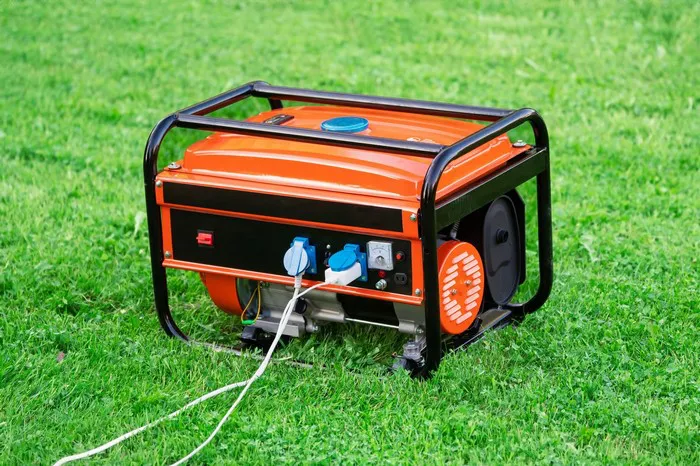
In such situations, a portable generator for emergency power can efficiently support the essential household appliances. Choosing the right generator requires careful consideration of the power you need and the load your appliances can handle.
This blog shows you how to determine your electricity needs, compare different generators, and review practical factors that help decide if a portable generator will suit your home.
Key Factors to Evaluate When Using a Portable Generator
Identify Essential Appliances
First, identify the key appliances and gadgets needed during a power outage. Common ones often include the refrigerator, lights, phone, and heating and cooling systems. Some homes may also require additional devices, such as a sump pump, kitchen gadgets, and medical equipment.
Making a list of these essential appliances helps you see how much electricity you will need during an outage. It is better to focus only on what is really important so that power demand does not become too high. This list will help you choose a portable generator for home backup that can support your critical needs during an emergency.
Check Running and Starting Watts
Once you identify which appliances are necessary, check how much power each one requires. Many appliances have their power ratings given in watts. You should look for two numbers: running watts and starting watts.
The running watts show the actual power used by the device, while the starting watts show the extra power required when the device first turns on, such as a refrigerator or air conditioner with a motor. Knowing these figures helps you determine the total power your household will need.
Calculate Total Power Needs
Add up the running watts for all the appliances you want to run. Remember to include the appliance that needs the most starting watts, as it draws a surge of extra power when it starts.
This will give you a good idea of how much power is needed during an outage. It is also smart to leave a little extra power margin to make sure the generator can handle everything smoothly. Doing these calculations helps you determine whether a generator can provide your home with enough electricity in an emergency, or it may not take the load you want it to take.
Compare Total Power with Generator Capacity
Now, compare your total power needs with the output of different generators. Every generator has a rated wattage that it can run continuously. Choosing a generator that meets or exceeds your needs helps keep everything operating smoothly.
The right size will ensure that your essential appliances run without interruption and provide reliable backup power.
Check Prices While Exploring Options
The price of the generators also varies depending on their size, engine type, and additional features. Exploring different options will help you find the best one that meets your requirements.
It is also good to compare the cost of the generators over time. Things like fuel efficiency, how long the generator lasts, and the support service you get can affect the overall cost of ownership. This way, you can choose a safe, reliable, and affordable option.
Consider Installation and Required Maintenance
Even portable units must be properly set up to function properly. Choose a good outdoor location with good air circulation and accessibility for easier operation. Making sure it is placed on a solid, firm base will also ensure smooth operation in the long run.
Regular maintenance is important for your generator to function properly. Taking good care of your generator means it will be ready to work when needed.
Safety Tips When Using a Portable Generator
Safety is very important while using a portable generator. These are essential tips to follow-
- Generators produce harmful gases when running, so always operate them outdoors in open areas where the gases can safely escape.
- Proper ventilation keeps everyone safe, and one must also be cautious with electrical connections.
- Using outdoor extension cords, keeping the generator dry, and avoiding placing it in the rain are all very important.
Conclusion
Being prepared helps families better handle power outages. By considering which appliances are needed, how much power they require, and what the generator can handle, you can make a smart choice. A good portable generator is one that provides you with the electricity you need in emergency situations, so you can run your essential appliances smoothly.
Planning, maintenance, and safety will ensure your generator is working properly. By understanding your household’s electricity needs and choosing the right equipment, you can decide if a portable generator is a good, reliable way to keep power running during outages.