Key Takeaways
- Regular AC maintenance helps prevent expensive mid-summer breakdowns.
- Dirty filters and blocked airflow significantly reduce cooling efficiency.
- Smart thermostat settings can lower strain on the system and reduce energy costs.
- Small warning signs, such as unusual noises or weak airflow, should never be ignored.
- Professional inspections can identify hidden issues before they become major repairs.
Summer places enormous pressure on residential cooling systems. As temperatures rise, air conditioners often run for longer hours, increasing wear on components and driving up the risk of breakdowns. Many expensive repairs, however, are preventable with consistent maintenance and a few proactive habits.
Homeowners who understand how their cooling systems operate can improve efficiency, reduce energy costs, and avoid emergency service calls during peak heat waves. The following strategies help keep air conditioning systems running smoothly throughout the hottest months of the year.
1. Replace Air Filters Regularly
One of the simplest yet most effective ways to protect an air conditioning system is to change the air filter regularly. Dirty filters restrict airflow, forcing the unit to work harder to cool the home. Over time, this extra strain can lead to overheating, frozen coils, and compressor damage.
Most homeowners should replace filters every one to three months, depending on indoor air quality, pets, allergies, and system usage. During summer, filters often clog faster because systems operate more frequently.
Clean filters also improve indoor air quality by reducing dust, pollen, and airborne particles. According to the U.S. Department of Energy, replacing a dirty filter can lower an air conditioner’s energy consumption by up to 15 percent.
2. Keep Outdoor Units Clean and Unobstructed
The outdoor condenser unit plays a critical role in releasing heat from the home. When leaves, dirt, grass clippings, or debris accumulate around the unit, airflow is restricted, reducing system efficiency and increasing operating temperatures.
Homeowners should maintain at least two feet of clear space around the condenser. Trim vegetation regularly and gently rinse dirt from the unit using a garden hose. Avoid using high-pressure washers, as they may damage delicate fins.
Blocked outdoor units are a common reason homeowners eventually require professional AC repair in Lake in the Hills, IL during peak summer months. Keeping the condenser clean allows the system to cool more efficiently and reduces unnecessary strain on critical components.
3. Schedule Seasonal Professional Maintenance
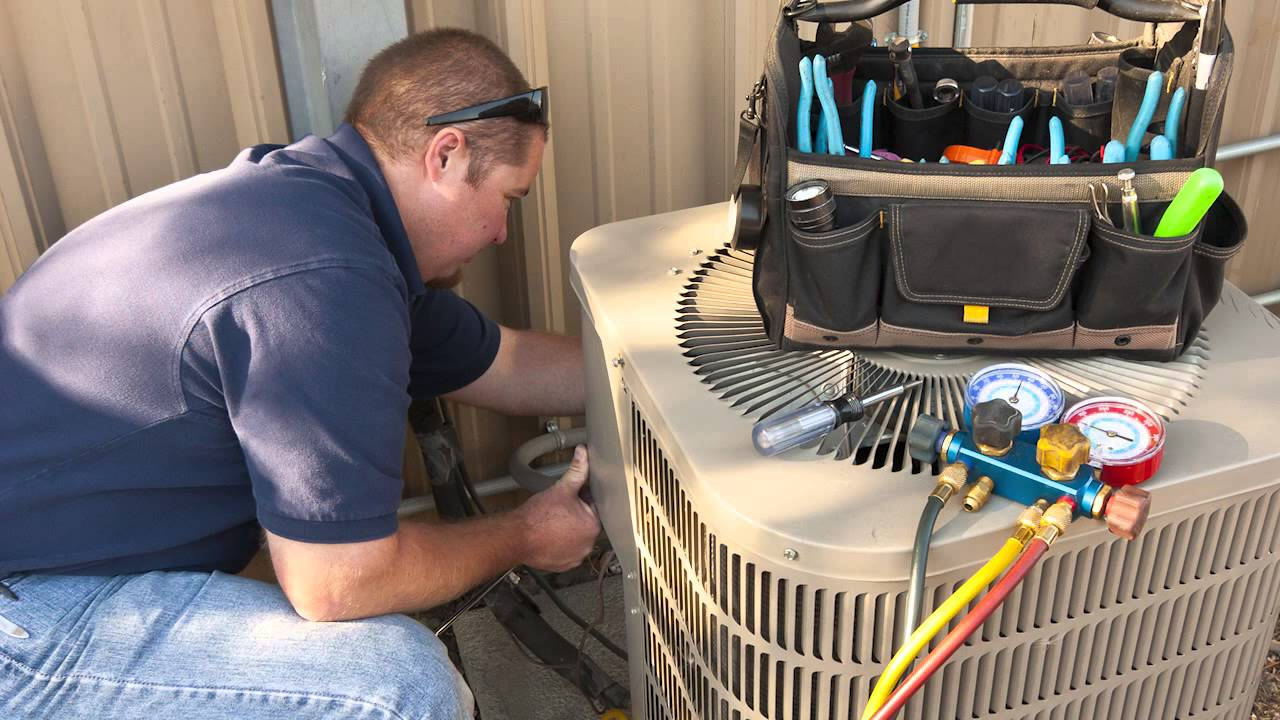
Routine professional maintenance remains one of the best investments homeowners can make for long-term cooling performance. HVAC technicians inspect electrical components, refrigerant levels, evaporator coils, thermostats, and drainage systems to identify early signs of wear.
Many hidden issues develop gradually and may not produce obvious symptoms until major damage occurs. A technician can often detect failing parts before they trigger costly breakdowns.
Seasonal inspections also improve energy efficiency. Well-maintained systems cool faster, cycle properly, and use less electricity. Many manufacturers even require documented maintenance to keep warranty coverage valid.
Scheduling service before summer demand peaks also helps homeowners avoid longer wait times and emergency repair pricing.
4. Use Smart Thermostat Settings
Constantly adjusting thermostat temperatures can place unnecessary stress on the cooling system. Many homeowners lower temperatures dramatically during hot afternoons, causing the unit to run continuously for extended periods.
Smart thermostats help maintain stable indoor temperatures more efficiently. Programmable settings allow homeowners to reduce cooling when nobody is home and automatically restore comfortable temperatures before occupants return.
The U.S. Environmental Protection Agency’s ENERGY STAR program reports that smart thermostat use can reduce annual heating and cooling costs by around 8 percent on average.
Consistent settings also reduce wear on compressors and motors, helping systems last longer while maintaining comfort throughout the home.
5. Seal Air Leaks and Improve Insulation
Even the most efficient air conditioner struggles when cool air escapes through poorly sealed windows, doors, or attic spaces. Air leaks force cooling systems to run longer, increasing energy bills and accelerating wear.
Homeowners should inspect weather stripping, door seals, attic insulation, and ductwork before summer temperatures intensify. Small improvements in insulation can significantly reduce indoor heat gain.
Common problem areas include:
- Attic access doors
- Window frames
- Garage entry doors
- Unsealed duct joints
- Basement rim joists
Improved insulation helps maintain stable indoor temperatures while reducing cooling demand during extreme heat.
6. Pay Attention to Early Warning Signs
Many homeowners ignore small cooling issues until the system completely stops working. Unfortunately, minor problems often become expensive repairs when left untreated.
Common warning signs include:
- Weak airflow from vents
- Warm air coming from registers
- Strange noises or vibrations
- Frequent cycling on and off
- Sudden increases in energy bills
- Excess indoor humidity
Addressing these symptoms early can prevent larger mechanical failures. For example, a minor refrigerant leak or failing capacitor may be inexpensive to repair initially, but could damage the compressor if ignored.
When unusual performance appears, contacting a qualified technician for AC repair in Lake in the Hills, IL can help prevent far more costly system damage later in the season.
7. Avoid Overworking the Cooling System
Reducing indoor heat sources can ease pressure on the air conditioner and improve overall efficiency. Everyday activities such as cooking, running dryers, or using heat-producing appliances during peak afternoon hours significantly increase indoor temperatures.
Homeowners can reduce cooling strain by:
- Using ceiling fans to improve air circulation
- Closing blinds during the hottest parts of the day
- Running appliances during evenings
- Switching to LED lighting
- Keeping interior doors open for balanced airflow
These small adjustments reduce cooling demand and help systems maintain consistent indoor comfort more efficiently.
8. Check and Clean Air Vents
Blocked or dirty air vents can disrupt airflow throughout the home, leading to uneven temperatures and reduced cooling performance. Furniture, rugs, curtains, or dust buildup often prevent conditioned air from circulating properly.
Walk through the home regularly to ensure vents remain fully open and unobstructed. Vacuum dust from registers and inspect for signs of mould, excessive dirt, or airflow restrictions.
Balanced airflow helps the system cool rooms evenly without overworking certain zones. Proper ventilation also supports healthier indoor air quality during months when windows typically remain closed.
FInal Thoughts
Preventing costly summer cooling problems begins with proactive maintenance, consistent airflow management, and early attention to warning signs. Small efforts such as replacing filters, cleaning outdoor units, improving insulation, and scheduling seasonal inspections can dramatically extend the life of an air conditioning system while lowering operating costs.
Homeowners who stay ahead of maintenance issues not only improve indoor comfort but also reduce the likelihood of emergency breakdowns during the hottest days of summer. A well-maintained cooling system performs more efficiently, lasts longer, and delivers reliable comfort when it matters most.