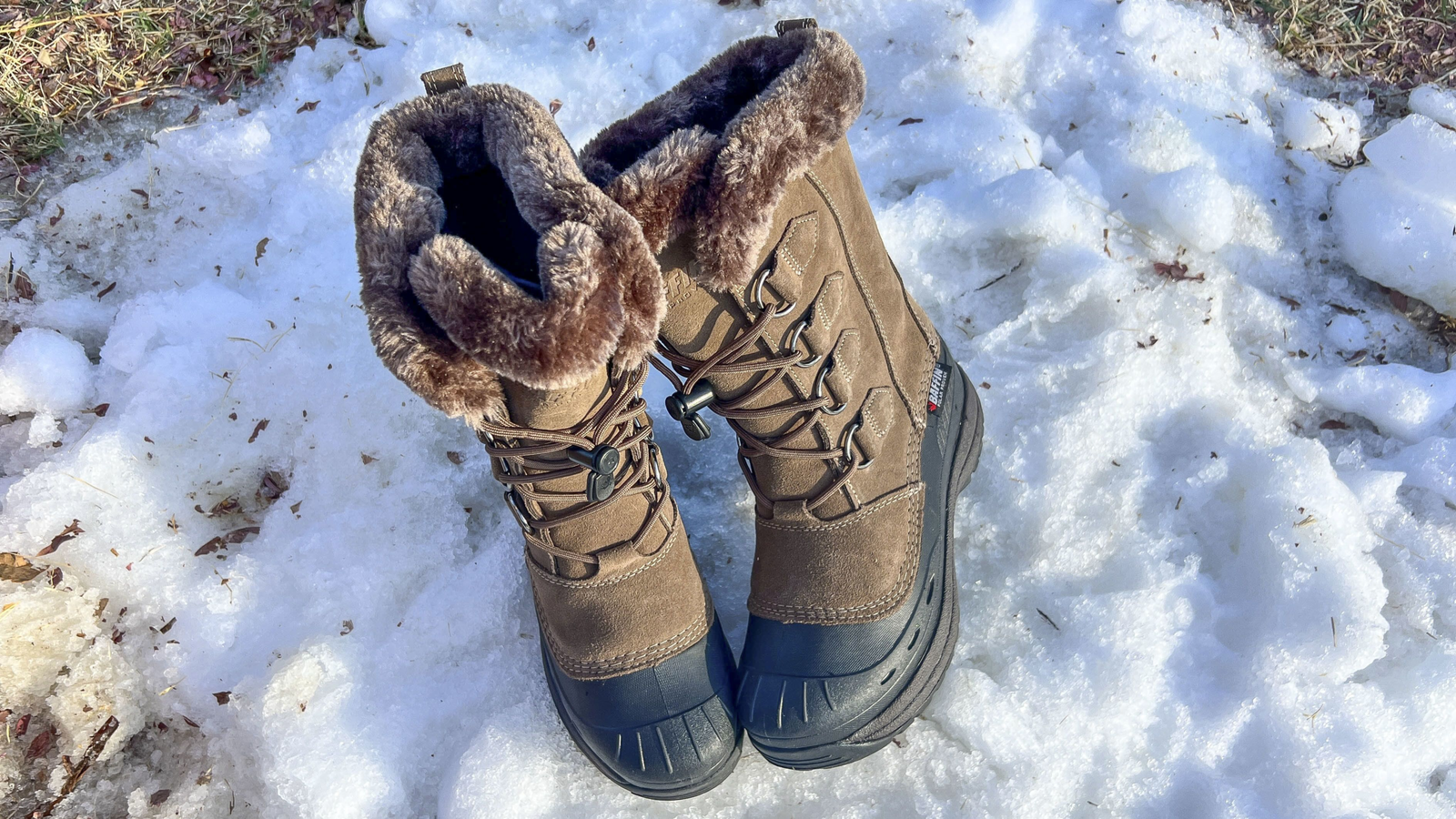
Winter brings beautiful snowy landscapes, but it also comes with icy sidewalks, freezing temperatures, and wet conditions that demand reliable footwear. Choosing the best winter boots is about much more than style. The right pair keeps your feet warm, dry, comfortable, and stable whether you’re walking to work, hiking snowy trails, or enjoying winter vacations.
Modern winter boots have improved significantly over the past few years. Manufacturers now combine lightweight insulation, waterproof materials, breathable linings, and advanced traction technology into boots that perform well without feeling bulky.
This guide explores what makes great winter footwear, the top winter boot styles for 2026, important buying factors, and practical care tips so you can invest in boots that last for many winters.
Why Quality Winter Boots Matter
Cold weather can quickly turn an ordinary walk into an uncomfortable experience if your footwear isn’t designed for winter. Snow, slush, freezing rain, and icy surfaces create challenges that regular shoes simply aren’t built to handle.
The best winter boots provide several important benefits:
- Keep feet dry in snow and slush
- Retain warmth during freezing temperatures
- Improve grip on slippery surfaces
- Support ankles during uneven winter walks
- Reduce fatigue with comfortable cushioning
- Last longer through harsh weather conditions
A quality pair also helps prevent cold-related discomfort, including numb toes and wet socks that can quickly ruin your day.
What Makes the Best Winter Boots?
Not every boot labeled as a winter boot delivers excellent performance. The best options combine several essential features.
Waterproof Protection
Snow eventually melts. Without waterproof construction, moisture seeps into your boots and leaves your feet cold.
Look for:
- Waterproof membranes
- Seam-sealed construction
- Water-resistant leather
- Rubber lower sections
- Gusseted tongues
These features work together to keep water outside while allowing moisture from sweat to escape.
Warm Insulation
Insulation traps body heat while preventing cold air from reaching your feet.
Common insulation materials include:
- Synthetic insulation
- Wool lining
- Fleece lining
- Shearling
- Felt insulation
The ideal insulation level depends on your climate and activity level.
Excellent Traction
Slipping on ice can lead to serious injuries. High-quality winter boots use aggressive rubber outsoles with deep lugs designed to grip snow and icy surfaces.
Some premium boots even feature advanced rubber compounds that remain flexible in freezing temperatures for better traction.
Comfort for All-Day Wear
Comfort comes from multiple factors working together:
- Cushioned midsoles
- Arch support
- Lightweight construction
- Flexible materials
- Proper ankle support
A comfortable boot encourages longer wear without causing foot fatigue.
Best Winter Boots by Category
Different winter activities require different types of boots. Here’s how to choose the right style.
Best Winter Boots for Everyday Use
Daily commuting requires boots that balance warmth, comfort, and appearance.
Look for:
- Waterproof leather
- Moderate insulation
- Lightweight design
- Good cushioning
- Stylish appearance
These boots transition easily between outdoor conditions and indoor workplaces.
Best Winter Boots for Extreme Cold
If temperatures regularly fall well below freezing, maximum insulation becomes essential.
Features include:
- Thick synthetic insulation
- Multi-layer linings
- Tall boot shafts
- Heavy-duty waterproof construction
- Cold-rated soles
These boots prioritize warmth above everything else.
Best Winter Boots for Hiking
Winter hiking demands footwear that remains stable on snow-covered trails.
Important features include:
- Aggressive tread
- Lightweight support
- Waterproof membranes
- Reinforced toe caps
- Breathable insulation
These boots provide better mobility than heavy snow boots while maintaining warmth.
Best Winter Boots for Snow
Deep snow requires taller shafts that prevent snow from entering around the ankles.
Ideal features include:
- High-cut design
- Snow gaiters
- Waterproof shell
- Durable rubber lower
- Thick insulation
These boots excel during heavy snowfall and winter adventures.
Best Winter Boots for Urban Walking
City streets often combine slush, ice, pavement, and indoor environments.
Choose boots with:
- Comfortable cushioning
- Stylish design
- Waterproof construction
- Moderate insulation
- Flexible soles
These provide excellent versatility throughout the season.
Waterproof vs. Water-Resistant Boots
Many shoppers confuse waterproof and water-resistant footwear.
Waterproof Boots
Waterproof boots completely block moisture under normal winter conditions.
Advantages:
- Dry feet in heavy snow
- Better protection in slush
- Ideal for prolonged outdoor use
Water-Resistant Boots
Water-resistant boots repel light moisture but eventually allow water inside.
Advantages:
- More breathable
- Often lighter
- Better for dry winter climates
If your winters include frequent snow or rain, waterproof boots are usually the better investment.
Choosing the Right Insulation
Insulation should match your activity level.
Light Insulation
Perfect for:
- Daily commuting
- Shopping
- Driving
- Mild winters
Too much insulation may cause overheating indoors.
Medium Insulation
Suitable for:
- Long walks
- Weekend trips
- General outdoor use
- Moderate snowfall
This provides a good balance between warmth and comfort.
Heavy Insulation
Best for:
- Ice fishing
- Snowmobiling
- Mountain travel
- Extended outdoor work
These boots prioritize heat retention in extremely cold environments.
Materials That Perform Best
The materials used in winter boots greatly affect durability and comfort.
Leather
Pros:
- Durable
- Stylish
- Long-lasting
- Naturally weather resistant
Requires occasional conditioning to maintain performance.
Rubber
Ideal for:
- Wet snow
- Slush
- Mud
- Heavy moisture
Rubber lowers are common on snow boots because they prevent water penetration.
Synthetic Fabrics
Modern synthetic materials offer:
- Reduced weight
- Faster drying
- Improved breathability
- Lower maintenance
Many performance winter boots combine synthetic uppers with waterproof membranes.
Wool Linings
Wool remains popular because it:
- Retains warmth
- Controls moisture
- Resists odors
- Feels soft against skin
Natural wool is especially comfortable during long winter outings.
Finding the Perfect Fit
Even the best winter boots won’t perform well if they don’t fit properly.
When trying on boots:
- Wear winter socks
- Leave room for your toes
- Ensure your heel stays secure
- Walk around before purchasing
- Test ankle flexibility
Avoid boots that are excessively tight, as restricted circulation can actually make your feet colder.
Winter Boot Care Tips
Proper maintenance extends the life of your boots.
Clean After Snow Exposure
Salt and road chemicals can damage leather and fabrics.
After each outing:
- Remove dirt
- Wipe away salt
- Allow boots to dry naturally
Avoid placing boots directly beside heaters, as excessive heat can damage materials.
Apply Waterproof Treatments
Leather and fabric boots benefit from seasonal waterproof sprays or wax treatments.
These help maintain water resistance and protect against stains.
Dry Boots Properly
If boots become wet inside:
- Remove insoles
- Loosen laces
- Stuff with newspaper
- Allow slow air drying
This prevents unpleasant odors and material damage.
Store Correctly
During warmer months:
- Clean thoroughly
- Dry completely
- Store in a cool place
- Keep away from sunlight
- Use boot shapers if available
Proper storage helps preserve shape and performance.
Common Mistakes to Avoid
Many buyers regret their purchase because they overlook important details.
Common mistakes include:
- Buying fashion boots instead of functional winter boots
- Ignoring waterproof ratings
- Choosing the wrong insulation level
- Wearing boots that fit too tightly
- Neglecting sole traction
- Skipping regular maintenance
Taking time to evaluate these factors leads to a much better long-term purchase.
How to Choose the Best Winter Boots for Your Lifestyle
Before buying, consider how you’ll actually use your boots.
If you mostly commute around town, lightweight waterproof boots with moderate insulation are usually ideal.
Outdoor workers should prioritize durability, warmth, and aggressive traction.
Winter hikers benefit from lighter boots with excellent ankle support and breathable waterproof construction.
Travelers often prefer versatile boots that perform well outdoors while remaining comfortable indoors.
Matching the boot to your daily routine ensures better comfort and value.
Final Thoughts
Finding the best winter boots doesn’t mean choosing the most expensive pair—it means selecting footwear that matches your climate, activities, and comfort preferences. The ideal winter boot keeps your feet warm, dry, and supported while providing dependable traction on slippery surfaces.
FAQs
Whether you’re commuting through snowy streets, exploring winter trails, or facing extreme cold, investing in quality materials, waterproof construction, and reliable insulation makes a noticeable difference. With proper care and maintenance, a well-made pair of winter boots can provide dependable performance for many seasons.
1. What are the best winter boots for everyday use?
The best everyday winter boots combine waterproof protection, moderate insulation, comfortable cushioning, and reliable traction while remaining lightweight enough for daily walking.
2. Are waterproof winter boots worth buying?
Yes. Waterproof boots keep your feet dry in snow, slush, and freezing rain, making them far more comfortable during prolonged winter use.
3. How much insulation do winter boots need?
It depends on your climate and activity. Light insulation works well for city use, while heavy insulation is better for extreme cold and extended outdoor activities.
4. Should winter boots fit tightly?
No. Winter boots should have enough room for warm socks and natural toe movement while keeping the heel secure.
5. How long do quality winter boots last?
With proper maintenance, premium winter boots can last five years or longer, depending on usage and weather conditions.
6. Can winter boots be worn without snow?
Yes. Many winter boots are comfortable for cold, wet weather even when there is no snow. They provide warmth, waterproof protection, and excellent grip during rainy or icy conditions.