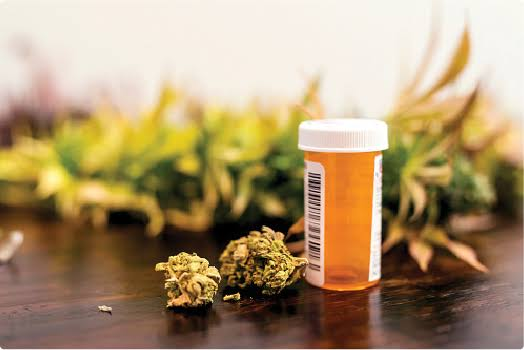
New Jersey has built one of the more patient-focused medical cannabis programs on the East Coast. Since the state legalized adult-use cannabis in 2021, public attention has often focused on the recreational market. For patients managing chronic illnesses, debilitating symptoms, or qualifying medical conditions, however, the medical program continues to serve a distinct and important purpose.
Access to healthcare is not always equal. Cost, geography, mobility limitations, and provider availability can all affect whether patients receive the treatments that may help them. These barriers can be particularly significant for underserved communities, including Native and Indigenous populations and other groups that have historically faced healthcare access challenges.
New Jersey’s medical cannabis program was designed in part to reduce some of those barriers by creating a regulated pathway for eligible patients to access physician-supervised cannabis care.
How New Jersey’s Medical Cannabis Program Has Evolved
New Jersey’s medical cannabis program launched in 2010 under the Jake Honig Compassionate Use Medical Cannabis Act, which has since been amended and expanded several times to broaden qualifying conditions, increase the number of licensed dispensaries, and reduce barriers to patient access. When the state moved to full legalization, it maintained the medical program as a distinct track rather than folding it into the recreational system, a decision that preserved the clinical infrastructure and patient protections that medical cardholders rely on.
The program is administered by the New Jersey Cannabis Regulatory Commission, which oversees licensing, patient registration, and dispensary operations. Patients who register through the state program gain access to licensed dispensaries operating under regulatory standards that cover product testing, labeling, and safety. That regulatory layer matters for patients whose cannabis use is part of a medically supervised care plan rather than a lifestyle choice.
Who Qualifies for a Medical Marijuana Card in NJ
New Jersey’s program recognizes a broad set of qualifying conditions. Patients must be at least 18 years old and receive a certification from a physician licensed to practice in the state. The complete list of qualifying conditions includes:
- Amyotrophic lateral sclerosis
- Anxiety
- Cancer
- Chronic pain of visceral origin or related to musculoskeletal disorders
- Crohn’s disease
- Dysmenorrhea
- Glaucoma
- Inflammatory bowel diseases including ulcerative colitis
- Intractable skeletal muscular spasticity
- Migraine
- Multiple sclerosis
- Muscular dystrophy
- Opioid dependence
- Post-traumatic stress disorder
- Seizure disorders including epilepsy
- Terminal illness where a physician has determined a prognosis of less than 12 months
- Tourette’s syndrome
That breadth reflects the program’s evolution over time. Early iterations of New Jersey’s medical cannabis law covered a narrower set of diagnoses; the inclusion of conditions such as anxiety, migraine, and opioid dependence represents a significant expansion that has brought more patients into the program who may not have qualified under earlier rules. Patients who are uncertain whether their condition qualifies should consult with a licensed physician rather than self-assessing, as the clinical evaluation process is where eligibility is formally determined.
What the Card Unlocks for Patients
Holding a medical marijuana card in New Jersey creates a different experience at the dispensary and in daily life compared to purchasing through the recreational market. The practical advantages are concrete and worth understanding before deciding whether to pursue certification.
Tax Savings and Purchase Limits
Medical cannabis purchases in New Jersey are exempt from the state’s cannabis excise tax, which applies at a rate of 9% to recreational sales. For patients making regular purchases, that exemption produces meaningful savings over time. A registered medical patient is also permitted to purchase up to 85 grams of cannabis in a 30-day period, compared to the 1-ounce limit that applies to recreational buyers in a single transaction. Medical cardholders may possess up to 3 ounces at any one time.
The state registration fee for medical patients is $10, and medical cards are valid for two years before renewal is required. All state-specific fees and program requirements are subject to change; patients should verify current figures directly with the New Jersey Cannabis Regulatory Commission before submitting their application.
Product Access
Registered medical patients in New Jersey have access to flower, vapes, and edibles through licensed dispensaries. Home cultivation remains illegal for both medical and recreational consumers under current state law, so dispensary access is the exclusive legal source for registered patients.
Dispensary staff at medical-designated facilities are trained to assist patients with product selection, though that guidance supplements rather than replaces the clinical recommendations a patient receives from their certifying physician.
How Telemedicine Has Changed the Certification Process
New Jersey permits telemedicine for medical cannabis certifications through licensed healthcare providers, allowing qualifying patients to complete evaluations remotely in accordance with state telehealth regulations. Historically, obtaining a certification often required finding a participating physician, traveling to an appointment, and navigating a process that could be particularly challenging for patients with mobility limitations or chronic health conditions.
Today, patients can complete consultations from home through telehealth platforms, making physician evaluations more accessible regardless of where they live. This has been especially important for individuals living in rural communities, patients with transportation challenges, older adults, and those whose medical conditions make travel difficult.
For many patients, telemedicine does more than save time. It expands access to healthcare professionals who understand medical cannabis and can evaluate whether it may be an appropriate treatment option. By reducing geographic and logistical barriers, telehealth has helped ensure that access to certification is determined more by medical eligibility than by a patient’s location or circumstances.
The availability of virtual consultations also aligns with broader efforts to make healthcare services more accessible, equitable, and responsive to patient needs.
How to Get Started
Patients who believe they have a qualifying condition can begin the process by scheduling a consultation with a licensed physician who is authorized to issue medical cannabis certifications in New Jersey. During the consultation, the physician reviews the patient’s medical history, current symptoms, and prior treatments before determining whether a certification is appropriate. If the physician certifies the patient, the patient then registers with the state, pays the $10 registration fee, and receives their medical card.
The program has continued to expand its reach and accessibility since its inception, and the combination of telemedicine, a broad qualifying conditions list, and meaningful financial advantages over recreational purchasing makes the medical card a worthwhile consideration for any New Jersey patient managing a chronic or serious condition.
Conclusion
New Jersey’s medical cannabis program continues to evolve as policymakers and healthcare providers look for ways to improve patient access while maintaining clinical oversight and consumer protections. The growth of telemedicine, expanded qualifying conditions, and a more streamlined registration process have made the program more accessible than it was during its early years.
For patients considering whether medical cannabis may be appropriate for their situation, the next step is not choosing a product but speaking with a qualified healthcare professional. A medical evaluation can help determine whether cannabis fits within an individual’s broader treatment plan and provide guidance on navigating New Jersey’s regulated program responsibly. As access continues to expand, informed decision-making and physician oversight will remain central to how patients benefit from medical cannabis care.