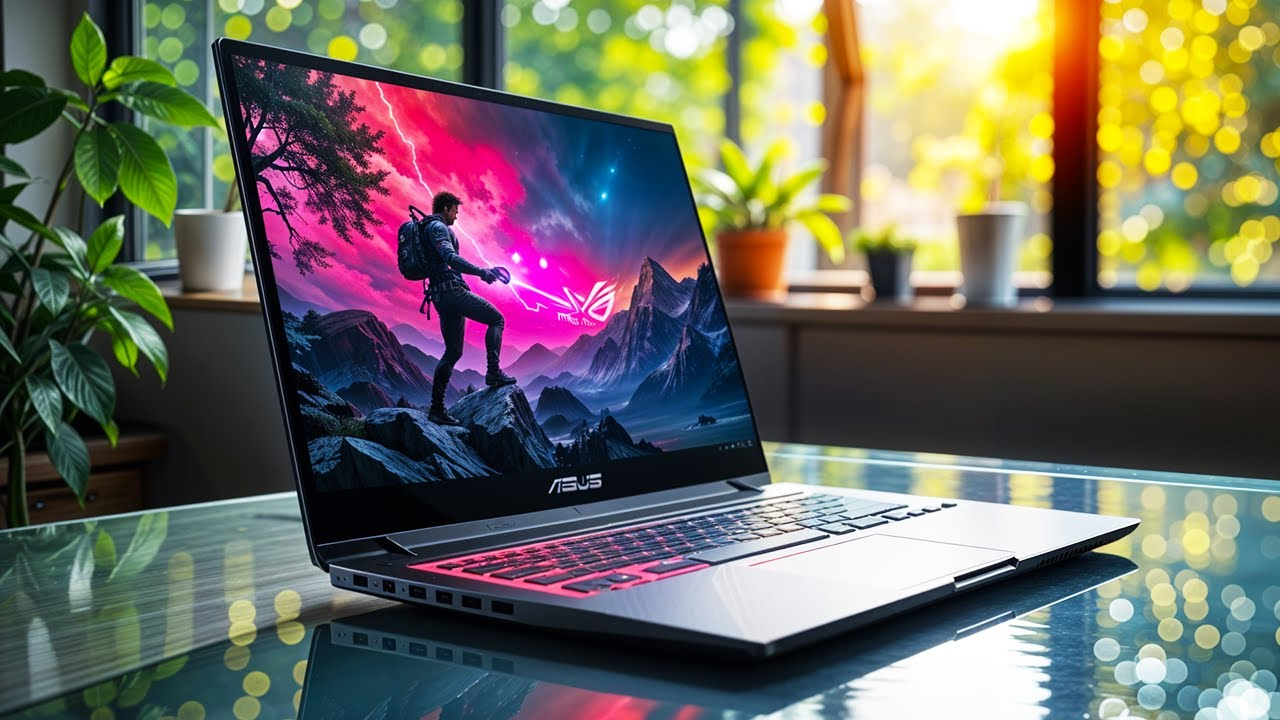
In today’s tech-savvy world, the demand for high-performance gaming laptops is on the rise. Gamers are seeking devices that can handle the latest games with ease, providing the ultimate gaming experience. With the sheer number of options available, selecting the right gaming laptop can be a daunting task, especially for those who are not tech enthusiasts.
Understanding Gaming Laptop Specifications
The first step in choosing the right gaming laptop is understanding the specifications that affect gaming performance. Critical components such as the graphics processing unit (GPU), central processing unit (CPU), RAM, and storage significantly determine how a gaming laptop performs.
Graphics Processing Unit (GPU)
One of the most crucial components of a gaming laptop is the GPU. It handles rendering tasks, and a powerful GPU is essential for smooth gameplay and high-quality graphics. NVIDIA and AMD are the leading GPU manufacturers, and their latest offerings provide various models suitable for different budgets and performance requirements.
Central Processing Unit (CPU)
The CPU is another vital component as it handles the game logic and other processing tasks. Intel and AMD are the primary CPU suppliers, featuring high-performance chips ideal for gaming laptops. When choosing a CPU, it is essential to consider the number of cores and threads, as more of these generally equate to better multitasking and performance capabilities.
Display Quality Considerations
The display is another critical factor when purchasing a gaming laptop. Gamers should consider the screen size, resolution, and refresh rate. A 1080p resolution is standard, but a 1440p or 4K display can provide even sharper visuals if the GPU can support it.
Refresh Rate
A high refresh rate display is also beneficial, as higher refresh rates (like 120Hz or 144Hz) provide smoother and more responsive gaming experiences compared to the standard 60Hz displays. This can make a significant difference in fast-paced or competitive gaming scenarios.
RAM and Storage
Adequate RAM is necessary for gaming laptops to run multiple tasks smoothly. A minimum of 8GB is recommended for modern games, but 16GB or more is ideal for future-proofing the laptop. Storage type and capacity also affect gaming performance. Solid-state drives (SSDs) provide faster load times compared to traditional hard drives (HDDs).
Portability and Build Quality
While power is a critical factor, the build quality and portability of a gaming laptop should not be overlooked. A laptop with robust build quality can withstand frequent use and transportation. Weight and battery life are also crucial factors, especially for gamers who travel frequently.
Cooling Solutions
Effective cooling systems are essential to prevent overheating during extended gaming sessions. Laptops with well-designed cooling solutions allow the CPU and GPU to operate efficiently, maintaining optimal performance levels without throttling caused by excessive heat.
Budget and Brand Considerations
When purchasing a gaming laptop, budget constraints often dictate the available options. Setting a clear budget helps narrow down choices, focusing on the best possible components within that range. Brands such as ASUS, Acer, Dell, and Lenovo offer a range of models catering to different requirements and budgets.
Choosing the Right Brand
Each brand has unique design features and proprietary technologies, so researching and choosing a brand that aligns with the buyer’s preferences is essential. Reading reviews and comparisons can offer insights into the laptop’s performance from a real-world user perspective.
The Importance of Warranty and Support
Gaming laptops require significant investment, so ensuring that the manufacturer provides a reliable warranty and good customer support is important. These factors can offer peace of mind and assist in handling any potential issues or repairs during the laptop’s lifespan.
Conclusion
Choosing the best gaming laptop involves balancing specifications, budget, and personal preferences. By understanding the importance of key components like the GPU, CPU, display, and cooling systems, gamers can make informed decisions that meet their gaming needs. As the gaming industry continues to evolve, staying updated with the latest technologies and trends is vital to maximising the gaming experience.